
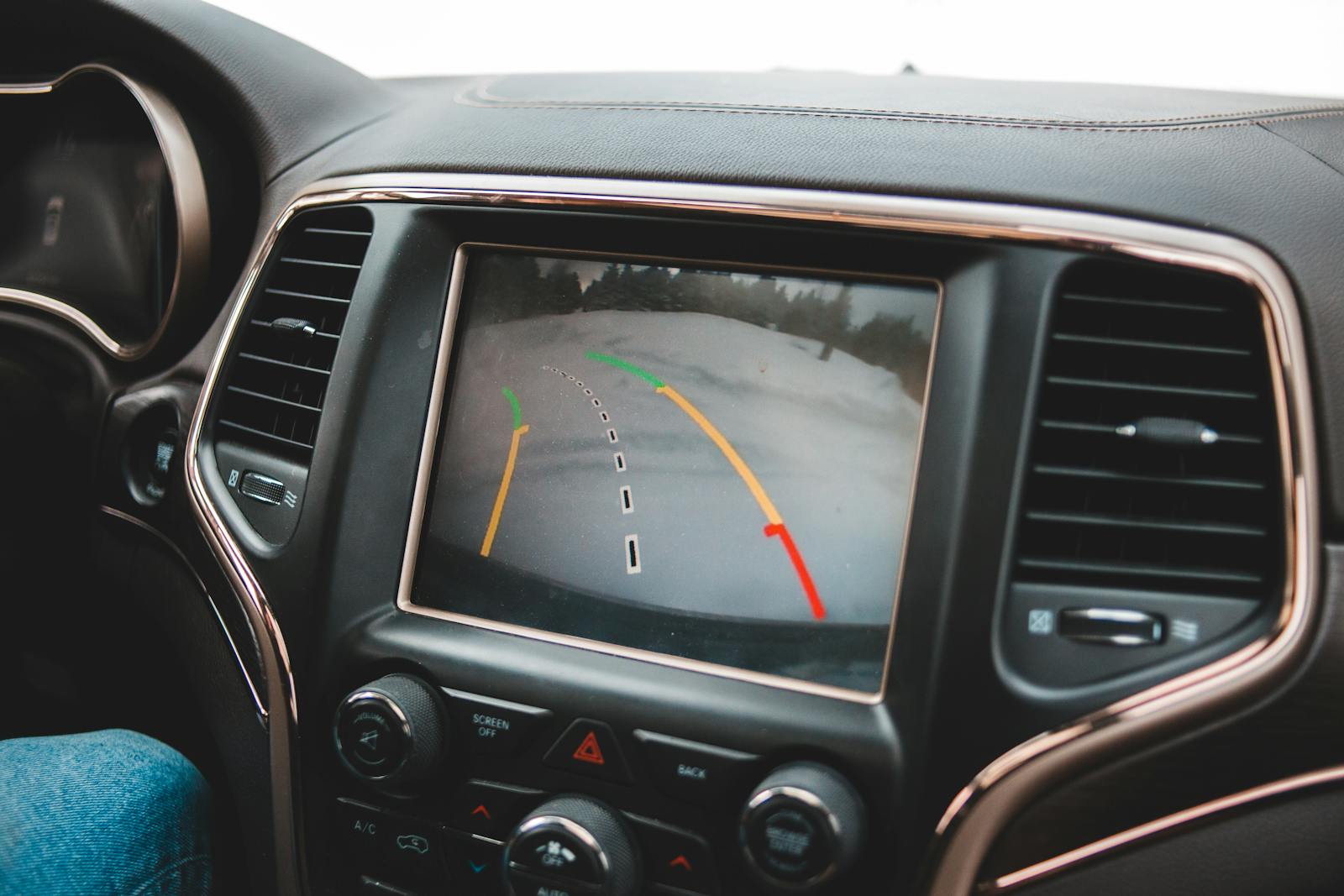

A driver found himself in an unexpectedly stressful situation when his backup camera screen suddenly froze while reversing through a crowded parking lot. The display locked up mid-maneuver, forcing him to rely solely on his side mirrors and rear window to navigate between parked vehicles and pedestrians.
The incident highlights how dependent drivers have become on backup camera technology since it became mandatory on new vehicles in 2018, and what happens when that technology fails at the worst possible moment. The driver managed to safely complete his parking without incident, but the experience left him shaken and wondering what caused his camera system to malfunction.
His story resonates with countless other drivers who’ve experienced frozen or malfunctioning backup cameras at inconvenient times. The problem raises questions about what causes these screens to freeze during reversing and whether there are ways to prevent or quickly fix the issue when it happens.
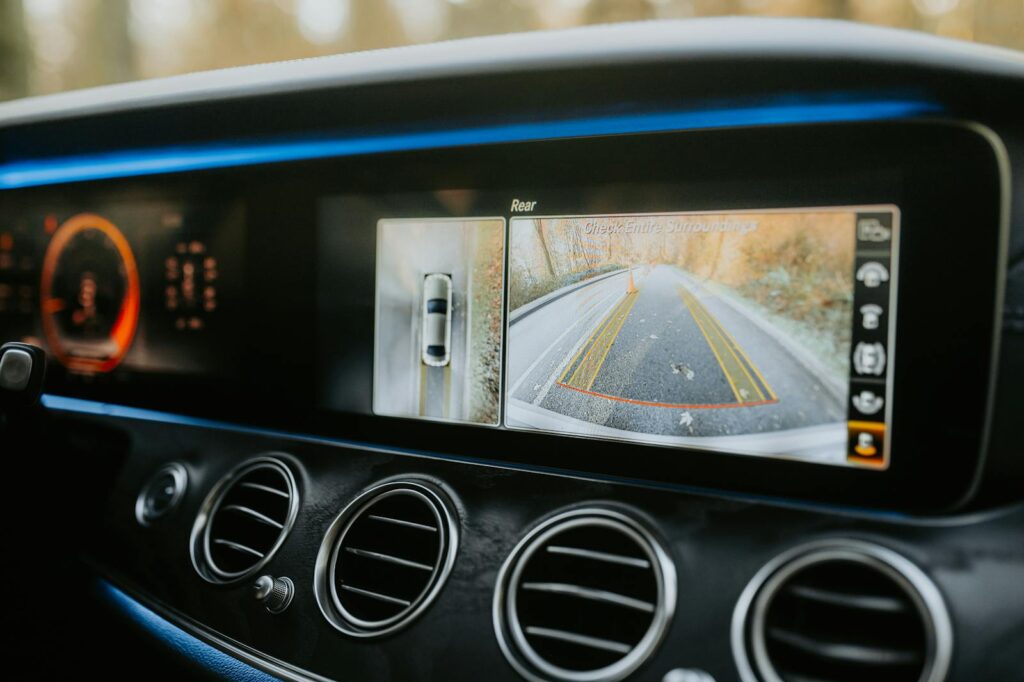
Why Backup Camera Screens Freeze During Reversing
A frozen backup camera screen typically stems from electrical problems, connectivity failures, or interference disrupting the signal between the camera and display. These malfunctions can happen suddenly, leaving drivers without their expected visual aid.
Common Causes of Frozen Backup Camera Screens
When a backup camera freezes mid-use, several factors could be at play. Software glitches in modern infotainment systems have become increasingly common as vehicles incorporate more complex electronics. These electronic hiccups can freeze the display or prevent the camera from updating the image properly.
Loose wiring presents another frequent culprit. The constant vibrations from driving gradually loosen connections at the camera module or display unit. Connections near the trunk lid or tailgate where repeated opening and closing creates movement are especially vulnerable to becoming unstable.
Temperature fluctuations affect electronic components too. Cold weather can cause condensation inside the camera housing or display unit, leading to temporary malfunctions. Conversely, extreme heat can cause circuit boards to expand and lose proper contact with their connections.
Electrical Issues Leading to Camera Failures
Power-related problems rank among the most common reasons backup cameras malfunction. A blown fuse can completely disable the camera system or cause it to behave erratically. Many vehicles share the backup camera fuse with other electronic components labeled as “multimedia” or similar.
Battery voltage fluctuations create unstable conditions for sensitive electronics. A failing battery or weak alternator that doesn’t provide consistent voltage can cause display glitches, slow startup, or complete system freezes. Modern backup cameras require stable power to function correctly.
Wiring shorts occur when damaged insulation exposes bare wires that touch metal parts or other wires. These shorts often cause intermittent camera operation since vibration and temperature changes can temporarily connect or disconnect the shorted area, resulting in unpredictable freezing.
Signal Interference and Its Effects on Camera Performance
The digital signal traveling from the camera to the display can be disrupted by various sources of interference. Electronic devices operating on similar frequencies sometimes create noise that corrupts the video feed, causing the image to freeze or pixelate.
Corroded connections introduce resistance into the circuit, degrading signal quality. Moisture finding its way into connection points creates this corrosion over time, particularly in vehicles exposed to harsh weather conditions. Green or white powdery substances on connection points indicate this problem.
Integration issues between the camera system and the vehicle’s infotainment network can create communication breakdowns. When one component doesn’t properly recognize signals from another, the result might be delays in activation, frozen screens, or cutting out while in use.
How to Diagnose and Troubleshoot Backup Camera Problems
When backup camera problems strike, drivers need to identify whether the issue stems from power failures, loose connections, camera damage, or software glitches. Each type of failure produces distinct symptoms that point toward specific fixes.
Checking Power Supply and Fuses
A driver facing a completely dead backup camera should start by checking the fuse box, as blown fuses rank among the most common causes when a backup camera stopped working. The fuse protecting the camera system might be labeled as “backup camera,” “multimedia,” or “rear view camera” depending on the vehicle.
Vehicle owners can locate the correct fuse by consulting their owner’s manual or examining the diagram typically printed on the fuse box cover. A blown fuse shows a broken metal strip inside the translucent housing. The replacement fuse must match the exact amperage rating printed on the original.
Battery voltage issues also affect camera performance. A failing battery or weak alternator creates voltage fluctuations that cause display glitches, slow startup times, or intermittent failures. Testing the battery voltage with a multimeter reveals whether the electrical system maintains the stable 12-14 volts modern cameras require.
Inspecting Connections and Shielded Cables
Loose wiring causes many intermittent backup camera failures, especially at connection points near trunk lids or tailgates where repeated movement occurs. The constant vibration from driving gradually loosens connectors at the camera module, display unit, or anywhere along the wiring path.
A driver can perform a wiggle test by having someone shift into reverse while they gently move connections and harnesses. If the display changes during this test, a loose or corroded connection needs repair. Shielded cable damage often occurs where wires pass through door jambs or get pinched behind panels.
Corrosion typically appears as green or white powdery substances on connection points. Moisture infiltration over time creates resistance in the circuit, leading to poor signal quality. Cleaning corroded connections with electrical contact cleaner and applying dielectric grease helps prevent future issues.
Addressing Camera Quality: Blurry or Misaligned Images
A blurry backup camera often needs nothing more than cleaning with a soft, damp cloth. Road grime, salt, mud, and hard water spots accumulate on the lens, especially during winter months. The camera lens location above the license plate or integrated into the trunk handle makes it easy to clean.
Physical impacts from parking bumps or minor collisions can knock the camera out of alignment or crack the housing. Even slight misalignment affects the viewing angle and makes parking guidance lines inaccurate. A misaligned camera may require adjustment of the mounting bracket or complete replacement if the housing sustained damage.
Water infiltration causes foggy images or complete failure as moisture corrodes internal circuit boards. While backup cameras include weather-resistant seals, these deteriorate over time and allow moisture inside. Internal fogging that doesn’t clear up after cleaning indicates water damage requiring camera replacement.
When to Consider Camera Replacement or Professional Help
Camera replacement becomes necessary when physical damage, water infiltration, or internal component failure occurs. Professional diagnosis typically costs $75-150 at dealerships or specialty shops, with camera replacement running $250-600 depending on the vehicle model.
Drivers should seek professional help when basic troubleshooting produces no improvement, when multiple electronic systems fail simultaneously, or when electrical system warnings appear. Auto electronics specialists or dealerships have access to technical service bulletins and diagnostic equipment that identify integration issues between the camera and infotainment system.
Newer vehicles often require reprogramming or recalibration after camera replacement to maintain proper functionality with safety systems. Software updates available through dealerships sometimes resolve display problems without hardware replacement.
More from Steel Horse Rides: