
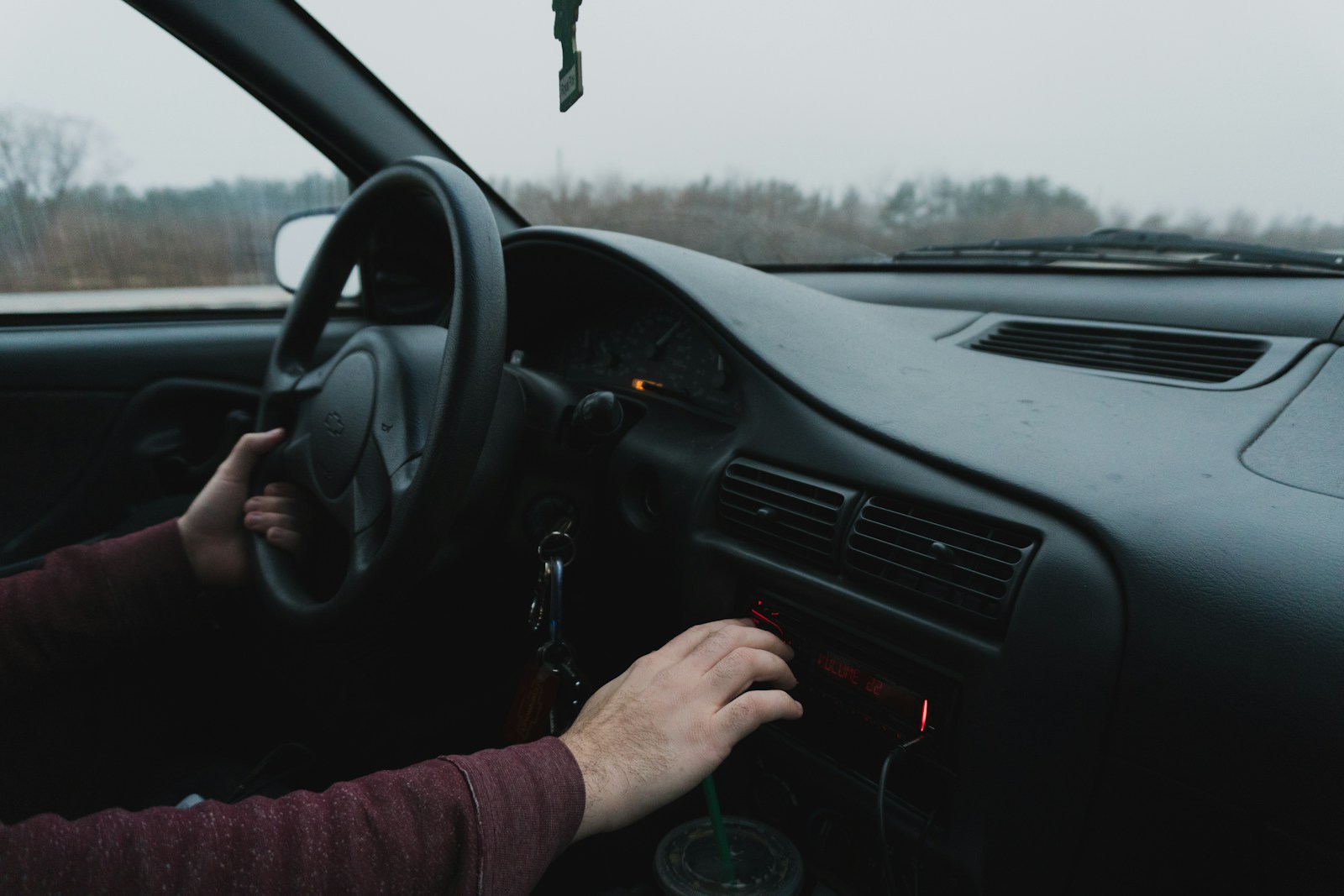

A driver recently reported a concerning incident where his vehicle’s lane assist system actively fought against him during what should have been a routine lane merge. Instead of providing gentle guidance, the system reportedly tugged at the steering wheel, forcing him to wrestle with the car’s own safety features rather than focusing on the road ahead.
The driver found himself in a dangerous battle with technology that was supposed to help him, as the lane assist system misinterpreted his intentional merge as an unsafe lane departure and actively resisted his steering inputs. This type of behavior raises questions about when driver assistance becomes driver interference, particularly in situations where the system can’t distinguish between unintentional drift and deliberate maneuvering.
The incident adds to growing reports of lane centering systems jerking vehicles across lane lines during turns and merges. While these systems use cameras to detect lane markings and provide steering assistance to prevent lane departures, they can sometimes misread driver intentions with potentially hazardous results.
Lane Assist Systems and Unexpected Steering Behavior
Modern vehicles equipped with driver assist systems can actively intervene during driving maneuvers, sometimes creating conflicts when the technology misreads driver intentions or road conditions. These systems range from simple warning alerts to active steering corrections that physically turn the wheel.
How Lane Assist, Lane Keep Assist, and Lane Centering Work
Lane departure warning systems monitor lane markings using cameras mounted near the windshield and alert drivers through sounds or vibrations when drifting occurs. Lane keep assist takes this further by applying gentle steering corrections to prevent lane departure when the vehicle crosses lines without a turn signal activated.
Lane centering represents the most active intervention level. It continuously makes small steering adjustments to keep the vehicle centered between lane markings, working alongside adaptive cruise control on highway drives.
Systems like Subaru’s EyeSight use camera-based technology to track road markings and calculate vehicle position. When the system detects movement toward a line, it can warn the driver, nudge the steering, or actively help center the vehicle depending on the manufacturer’s programming.
Why Lane Assist Might Fight Your Steering Input
The conflict between driver input and system intervention often occurs during intentional lane changes or merges. When a driver begins moving toward an adjacent lane before activating the turn signal, the technology interprets this as unintended drift and applies corrective steering.
Some drivers report fighting the wheel when making legal maneuvers like avoiding potholes or moving over for cyclists. The system creates resistance by pulling the vehicle back toward the original lane position.
Subaru owners have specifically noted jerky lane keeping behavior linked to sloppy steering response, with noticeable delays between steering wheel input and vehicle response. Weather conditions compound these issues since rain, snow, or fog can prevent cameras from clearly seeing lane markings, yet the system may still attempt corrections based on incomplete data.
Real-World Incidents: When Lane Assist Goes Wrong
Reports from drivers describe jarring experiences where lane assist activated at inappropriate moments. Audi Q8 E-Tron owners reported steering control problems and lane keep assist malfunctions specifically while driving in rain, highlighting how environmental conditions trigger system errors.
Construction zones present particularly challenging scenarios. Faded markings, temporary lane configurations, and missing lines can cause the technology to make incorrect steering decisions or disengage unexpectedly.
Emergency maneuvers become more difficult when lane keeping assist interferes with quick steering inputs needed to avoid sudden obstacles. The system’s attempt to maintain lane position can work against a driver’s evasive actions during critical moments.
Factors Behind Lane Assist Malfunctions and How to Respond
Lane assist systems can misfire during routine maneuvers when software calibration drifts out of sync or when the camera misreads faded pavement markings as solid lane boundaries. Drivers caught off guard during merges often find themselves wrestling with steering corrections they never requested.
Software Updates and System Calibration Issues
Modern lane keeping systems depend on precise camera alignment and up-to-date firmware to interpret road markings correctly. When automakers push software updates after recalls, some drivers report their lane assist behaving erratically or disappearing entirely until the system completes a relearn cycle.
The camera module needs to re-establish reference points for lane detection after certain updates. GM vehicles, for instance, require drivers to cruise above 36 mph on well-marked roads so the system can recalibrate its understanding of steering angles and lane boundaries. Without this relearn process, the assistant may tug the wheel at inappropriate moments or refuse to engage at all.
Windshield replacement creates similar calibration problems. Even slight shifts in the camera’s mounting position can throw off the system’s virtual horizon, causing it to misinterpret lane position and apply steering corrections when none are needed.
Merging, Lane Changes, and Driver Vigilance
Lane assist isn’t designed to handle intentional lane changes gracefully. The system watches for drift without turn signal activation, so when a driver merges or changes lanes, there’s a brief window where the assistant still sees the vehicle crossing a line it’s programmed to avoid.
Some systems disengage immediately when they detect turn signal input. Others apply a final corrective tug before releasing control, which can feel like the car is fighting the driver’s steering input. This delay becomes dangerous when merging into fast-moving traffic requires quick, confident movements.
Driver assist systems clearly state they’re not replacements for active steering. Drivers who lean on the feature during highway cruising sometimes forget the system lacks the judgment to distinguish between an unintended drift and a deliberate merge, leading to confusion exactly when focus matters most.
Impact of Weather, Road Conditions, and Visibility
Rain and snow obscure lane markings that cameras rely on to function. When visibility drops, the system often disengages to avoid making steering corrections based on unreliable visual data. Some drivers experience steering control issues during rain as the assistant struggles to maintain a consistent read on faded or wet pavement lines.
Construction zones with temporary markings create another problem. The camera may detect both old and new lane lines simultaneously, causing the system to issue conflicting corrections or disengage with little warning.
Dirty windshields block the camera’s view just as effectively as weather. Road film and interior haze reduce contrast enough that the system loses confidence in its lane detection, though drivers may not notice the obstruction with their own eyes.
When to Rely on Adaptive Cruise Control and Self-Driving Features
Adaptive cruise control typically works independently of lane keeping, using radar or lidar to maintain following distance. Drivers sometimes confuse the two systems, assuming that because cruise control is active, lane centering is also engaged and monitoring steering.
Self-driving features marketed by some automakers combine adaptive cruise control with lane keeping to create a hands-on assisted driving mode. These systems still require constant driver attention and hand contact with the wheel, yet the branding suggests more autonomy than the technology actually delivers. When lane assist malfunctions during a merge, drivers expecting the car to handle the transition smoothly discover the limits of current driver assist systems in real time.
More from Steel Horse Rides: