
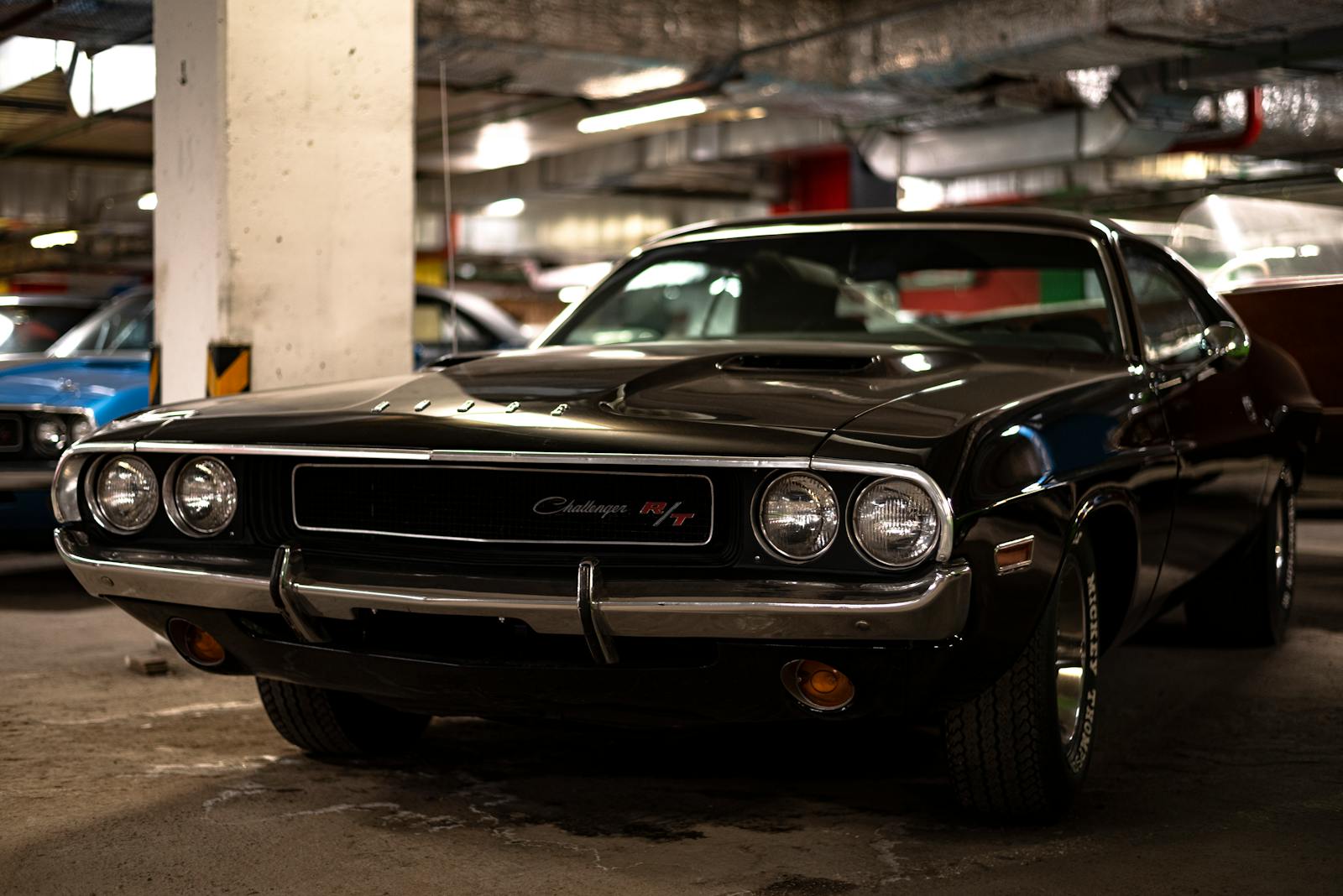

A classic car enthusiast is facing an ultimatum from his wife: the vintage vehicle has to go because it “smells old” and she wants the garage space for storage instead. The disagreement has sparked a familiar debate among car collectors about whether the distinctive odor of an aging automobile is a charming reminder of automotive history or simply an unpleasant nuisance that family members shouldn’t have to tolerate.
The driver’s predicament highlights a common household conflict where one person’s prized possession becomes another person’s problem, especially when practical needs like storage space enter the equation. While some enthusiasts insist that older vehicles naturally smell from decades of accumulated materials and age, spouses and family members often see it differently when they’re sharing living space with the odor.
The situation raises questions about what exactly causes classic cars to develop their characteristic scent over time and whether the smell is something that can be addressed. It also touches on the broader challenge of balancing personal hobbies with household priorities when space is limited and relationships are at stake.
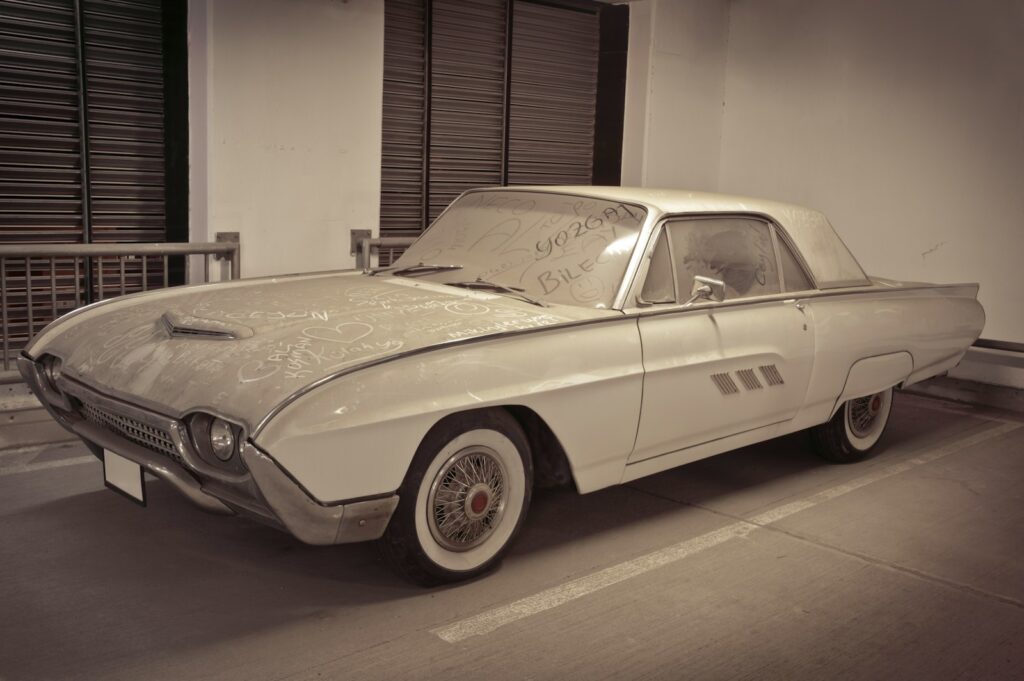
Classic Car Smells: What They Are and Where They Come From
Classic cars carry a complex mix of scents from aged materials, mechanical fluids, and environmental factors. These odors range from the recognizable smell of old leather and gasoline to subtler notes that develop over decades of use and storage.
Why Classic Cars Have a Distinct Scent
The smell of a classic car comes from materials breaking down over time. Original upholstery, carpeting, and rubber components release volatile organic compounds as they age. Horsehair padding in seats, natural rubber in weatherstripping, and wool carpeting all emit different odors as they deteriorate.
Paint and primer from decades ago contain different chemical compositions than modern formulations. These older coatings off-gas differently, creating scents that modern cars don’t produce. Metal components also contribute through oxidation and the breakdown of protective coatings applied at the factory.
The combination creates what enthusiasts recognize immediately but what others might simply call “old.” Each era of automotive manufacturing has its own scent profile based on the materials and processes used during that period.
Common Causes of ‘Old Car’ Odors
Moisture damage ranks as the primary culprit behind unpleasant classic car smells. Water intrusion through failing weatherstripping leads to mildew growth in carpeting, under seats, and inside door panels. The resulting musty odor becomes trapped in porous materials and proves difficult to eliminate without complete removal and replacement.
Fuel system issues create strong gasoline odors that permeate interiors. Aged fuel lines crack and weep, carburetor gaskets shrink, and gas tanks develop pinhole leaks. Spilled fuel from decades of use soaks into floorboards and trunk areas where it never fully evaporates.
Oil and fluid leaks from engines and transmissions create their own distinct smells. Engine oil drips onto hot exhaust manifolds and produces a burnt odor that drifts through ventilation systems. Power steering fluid and brake fluid have sharp, chemical scents that linger when they leak onto garage floors and splash onto underbody components.
Fragrance Notes Found in Vintage Cars
Perfume experts analyzing classic car interiors identify surprising similarities to traditional fragrances. Aged leather develops notes comparable to sandalwood and amber, with warm, slightly sweet characteristics that deepen over time. The tanning processes used in vintage automotive leather create these particular scent profiles.
Deteriorating rubber and vinyl produce sharper notes. Some describe hints of lily-of-the-valley in certain plastic formulations from the 1950s and 1960s. Dashboard materials and steering wheels from this era used plasticizers that break down into unexpectedly floral compounds.
Old fabric headliners and seat inserts sometimes carry what fragrance specialists call orris root notes. This earthy, slightly powdery smell comes from natural fibers and sizing agents used in textile production. The scent intensifies in cars stored for long periods without air circulation.
Impact of Garage Environments on Car Smell
Garage conditions directly affect how a classic car smells. Concrete floors absorb automotive fluids and moisture, then release these odors back into the air. Unsealed concrete acts like a sponge, holding decades of oil drips, coolant spills, and condensation.
Temperature fluctuations make smells worse. Heat causes materials to off-gas more rapidly, while cold temperatures trap moisture inside the vehicle. Cars in climate-controlled garages maintain more stable scent profiles than those in unheated spaces.
Poor ventilation concentrates odors. Closed garages without air exchange allow smells to build up and saturate every surface. The car essentially marinates in its own odors, which then become increasingly difficult to air out. Dust and cobwebs also trap scent molecules, creating layers of smell that accumulate over time.
When Household Needs Clash: Space, Storage, and Relationships
Garages become battlegrounds when one person sees a sanctuary for a prized possession and the other sees wasted square footage that could solve storage problems. The tension escalates when sensory complaints like musty odors mix with practical concerns about household organization.
The Challenge of Sharing Garage Space
Most suburban garages measure between 200 and 400 square feet. That space becomes contested territory when a classic car takes up roughly 180 square feet while boxes of seasonal decorations, old baby clothes, and unused kitchen appliances pile up in corners.
The wife in this situation sees a garage that smells old and wants it cleared out. Her husband sees decades of restoration work and weekend drives. Neither perspective is wrong, but both compete for the same concrete floor.
Families without adequate storage often rent units at $50 to $200 monthly. That’s money that could go toward other household needs or serve as a financial safety net for emergencies. The classic car blocks access to free storage space the family already owns.
Compromising Between Car Lovers and Storage Needs
Some couples split garage space with painted lines or install overhead storage racks that keep belongings above the car. Others negotiate schedules where the car stays outside during certain months or gets moved to a friend’s property.
The smell complaint adds another layer. Vintage vehicles can emit odors from old upholstery, deteriorating rubber seals, or fuel vapors that seep into the garage.
Storage needs aren’t always about physical items. Some families need space for a second refrigerator to stock WIC-approved foods or bulk purchases that stretch tight budgets. Others want room for bicycles, lawn equipment, or a workspace.
The husband faces losing something he values while his wife sees her daily needs dismissed. No automotive magazine covers what happens when your spouse wants the collector car gone.
How Smells and Clutter Affect Mental Health
Living in cluttered conditions correlates with elevated cortisol levels and increased stress responses. When someone can’t find important documents or seasonal items because they’re buried behind a vehicle, frustration builds daily.
The odor issue matters more than it seems. Persistent unpleasant smells in living spaces can trigger headaches and affect mood. What the husband considers normal “old car smell” might genuinely bother his wife every time she walks through the garage to enter the house.
Public health researchers have documented how household disorganization impacts wellbeing. A garage stuffed beyond capacity with no room for essential storage isn’t just inconvenient—it removes a safe house function where families should be able to organize their lives effectively.
The wife isn’t being unreasonable when she objects to the arrangement. She’s expressing that their shared space doesn’t meet current household needs.
More from Steel Horse Rides: