
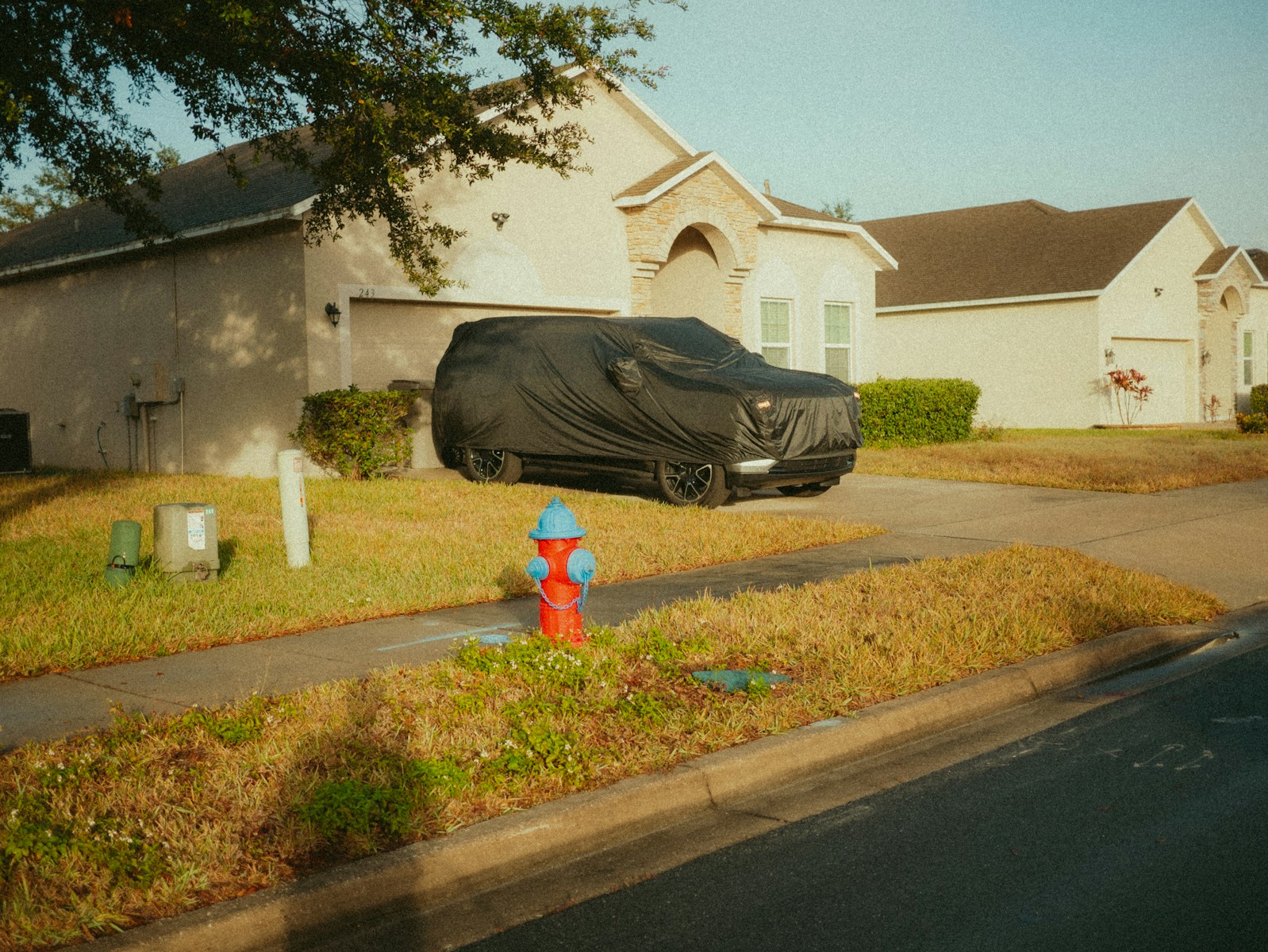

A driver found himself in an uncomfortable situation when his neighbor complained that his legally parked truck was blocking their view of the street. The truck owner maintained he had every right to park where he did, as the spot was on a public street with no posted restrictions. The disagreement highlights a common tension in residential areas where legal parking doesn’t always align with neighbor expectations.
When someone parks legally on a public street, they’re generally within their rights even if a neighbor objects to the vehicle’s size or placement. The complaint in this case centered on visibility concerns, with the neighbor arguing the large truck created a safety hazard by obstructing their sightline when pulling out of their own driveway.
The situation raises questions about where legal rights end and neighborly consideration begins. While street parking disputes often involve blocked driveways or property access issues, this disagreement shows how even lawful parking can spark conflict when it affects a neighbor’s daily routine or perceived safety.
Understanding Legal Street Parking and Neighborhood Complaints
On public streets, drivers generally have the right to park in available spots even if neighbors object to their vehicles, though local regulations can impose specific restrictions that determine where and how long vehicles may remain.
Legal Rights to Park on Public Streets
Homeowners don’t own the street parking in front of their homes, meaning they can’t claim exclusive rights to those spots. Public street parking operates on a first-come, first-served basis, regardless of which property sits adjacent to the space.
The driver in this situation was using a public street, which means any resident or visitor could legally occupy that parking spot. Even if a neighbor complains about a truck blocking their view, that complaint doesn’t override the driver’s legal right to park there.
Basic parking rights on public streets include:
- Parking in front of any house on the street
- Leaving a vehicle for extended periods unless time limits apply
- Using spots repeatedly without restriction
The patch of road in front of someone’s house remains public property. This means neighbors can’t legally demand others move simply because they prefer that space for themselves.
Local Ordinances and Parking Restrictions
While public streets generally allow parking unless signs indicate otherwise, cities and municipalities can establish rules that limit where and when vehicles may be parked. These regulations often appear on posted signs throughout neighborhoods.
Common restrictions include time limits for how long a vehicle can remain in one spot, permit requirements for residential areas, and prohibited parking zones near intersections or fire hydrants. Drivers must also park in the same direction as traffic flow, typically on the right side of the street in the U.S.
Some areas prohibit parking within certain distances of stop signs, crosswalks, and intersections. The specific measurements vary by location, so what’s legal in one city might violate ordinances in another.
Common Neighborhood Parking Disputes
Aesthetic complaints rank among the most frequent parking disputes between neighbors. One resident might dislike a neighbor’s truck, RV, or work vehicle parked on the street, claiming it diminishes their view or the neighborhood’s appearance. However, personal preferences about vehicle types don’t constitute legal grounds for removal if the parking itself complies with local laws.
Perceived territory issues arise when someone believes they have special claim to the spot in front of their home. They might place cones, chairs, or other objects in the street to “reserve” the space. This practice typically violates local ordinances since no one owns public parking spots.
Repetitive parking patterns can frustrate neighbors when the same vehicle occupies a desirable spot daily. Even though this behavior is usually legal, it creates tension in residential areas where parking availability is limited.
What Constitutes a Valid Parking Complaint
A legitimate parking complaint involves actual violations of traffic laws rather than personal objections. Blocking driveways, mailboxes, fire hydrants, or parking too close to intersections all constitute valid reasons to contact authorities about a parked vehicle.
A neighbor complaining that a truck blocks their view doesn’t meet the threshold for a valid complaint. Views from private property aren’t protected rights when it comes to legal street parking. The same applies to complaints about vehicle size, color, or type when the vehicle is parked legally.
Police can only act on complaints involving actual violations of parking ordinances. They can’t enforce a neighbor’s preference for keeping certain vehicles away from their house or maintaining an unobstructed view of the street.
Resolving Disagreements and Navigating Complaints With Neighbors
When parking disputes arise between neighbors, drivers often find themselves caught between their legal rights and maintaining peaceful relationships. Most situations require direct communication first, though some escalate to formal complaints or police involvement.
How to Communicate Effectively With Your Neighbor
Drivers facing complaints about their legally parked vehicles typically start by having a face-to-face conversation with the concerned neighbor. This initial discussion works best when both parties remain calm and listen to each other’s perspectives without getting defensive.
The driver can explain that street parking follows specific legal rules and their vehicle complies with local ordinances. Many neighbors simply don’t understand that residents don’t own the public street in front of their homes. Taking photos of the parked vehicle and nearby street signs helps document that no violations occurred.
Some drivers offer small compromises when possible, like adjusting their parking angle slightly or moving a few feet forward or backward. These gestures can defuse tension even when the driver isn’t legally required to change anything.
Steps to Take When a Complaint is Filed
When neighbors file a complaint about legal parking, drivers need to document everything. They take photos showing their vehicle’s position relative to driveways, fire hydrants, crosswalks, and stop signs.
Drivers also review local parking ordinances to confirm they’re following all posted restrictions about time limits or permit requirements. If the street belongs to a homeowners association, they check the HOA bylaws for any additional rules about parking.
Most complaints get dismissed quickly when police or code enforcement officers verify the parking is legal. Drivers keep records of all communications, including dates and times of conversations with neighbors or authorities.
When to Involve Local Authorities or File a Complaint
Drivers call the police non-emergency line when neighbors harass them, damage their vehicles, or make threats over a parking dispute. Law enforcement can document the harassment and explain parking laws to all parties involved.
Some situations require drivers to file their own complaints. If a neighbor repeatedly blocks their driveway or mailbox in retaliation, drivers report this to local authorities since blocking driveways is illegal. They also contact their HOA if the neighbor violates community parking rules.
Persistent conflicts sometimes need mediation services or consultation with a real estate attorney. Lawyers help drivers understand their rights and potential legal remedies when neighbor disputes escalate beyond simple disagreements.
More from Steel Horse Rides: