
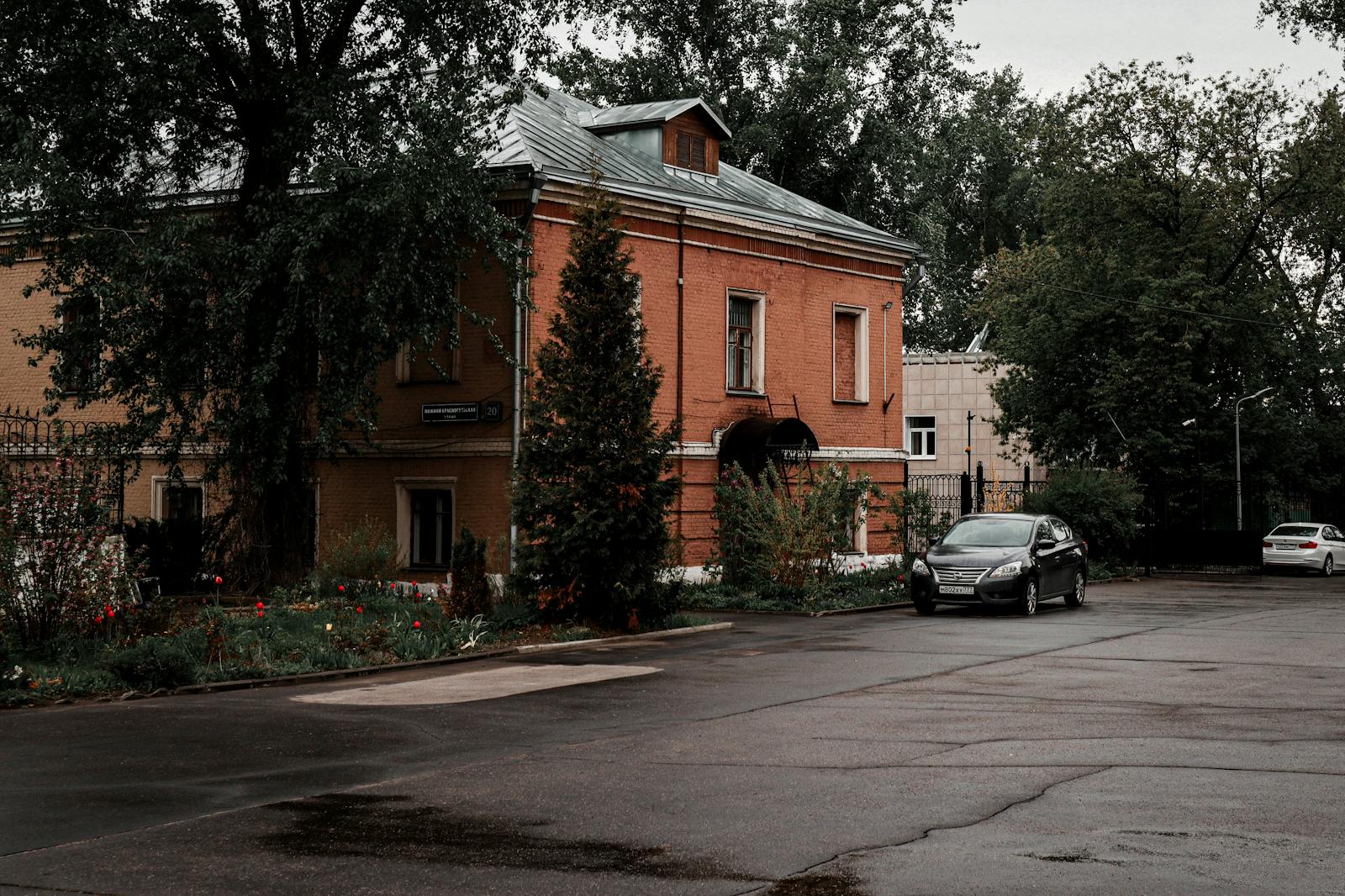

A driver recently found himself in an uncomfortable situation when his neighbor installed a security camera that appears to be aimed directly at his driveway. Every time he pulls out of his garage or returns home, he can’t shake the feeling that he’s being monitored. What started as a simple home security measure has turned into a privacy concern that’s left him questioning what rights he has on his own property.
The legality of a neighbor pointing a camera at your driveway depends on state laws and whether the area is considered publicly visible, but many people don’t realize they might have options to address the situation. The driver’s experience raises questions that many homeowners face as security cameras become increasingly common in residential neighborhoods.
The tension between home security and privacy has created a gray area that leaves neighbors on both sides feeling justified in their positions. This particular case highlights the challenge of balancing one person’s desire to protect their property with another’s right to feel comfortable in their own space.

Is It Legal For A Neighbor To Point A Camera At Your Driveway?
The legality of a neighbor pointing a camera at someone’s driveway largely depends on where the property sits and what areas the camera captures. Privacy protections vary significantly based on how visible the space is to the public and what specific laws exist in that jurisdiction.
Reasonable Expectation Of Privacy Explained
The concept of reasonable expectation of privacy determines whether someone can claim an invasion of privacy when being recorded. Courts generally consider whether a person would reasonably expect their activities to remain private in that specific location.
A driveway typically fails this test. Most driveways connect directly to public streets and remain visible to anyone passing by. Neighbors, delivery drivers, and pedestrians can all see vehicles coming and going from a driveway without any special effort.
This visibility matters legally. Whether a neighbor can legally point a security camera at someone’s property often hinges on how open the space is to public view. A camera pointed at a front yard or driveway would likely not create legal issues for the same reason Google can capture Street View images across the United States.
The situation differs from a fenced backyard or the interior of a home. Those spaces would normally be considered private because they’re shielded from casual public observation.
Areas Of Your Property That May Or May Not Be Protected
Different parts of a property receive different levels of privacy protection based on their layout and visibility. Front-facing areas like driveways, front porches, and yards generally receive minimal protection because they’re exposed to public view.
Backyards with privacy fencing would normally be considered private spaces. If someone had to scale a fence or take extraordinary measures to capture images, that changes the legal analysis significantly.
Interior spaces like bedrooms, bathrooms, and living rooms receive the strongest protection. The camera owner’s intention also matters when evaluating whether recording crosses into invasion of privacy. A camera that incidentally captures a small portion of someone’s property differs from one deliberately trained on a living room window.
The distinction between video and audio recording also comes into play. While video recording might be permissible in some states, many states restrict audio recording without consent under wiretapping laws.
How State And Local Privacy Laws Come Into Play
There’s no federal law guaranteeing privacy in the United States in this context. The Supreme Court has found an implied right to privacy through various Constitutional amendments, but what that means in practice depends on state statutes and court decisions.
Some states have passed specific laws addressing surveillance cameras. New York enacted a 2017 law allowing homeowners to sue someone who videotapes them in their backyard without consent, though only if the person intended to harass, annoy, alarm, or threaten them.
In some states, passive visual recording remains legal as long as the camera sits on the neighbor’s property. Other states permit visual recording but prohibit audio recording. Still others might impose criminal or civil penalties for various forms of recording.
The specific privacy rights someone has depend entirely on where they live. State and local ordinances create different standards for what constitutes actionable invasion of privacy and when homeowners can sue based on unwanted surveillance.
What To Do If You Feel Watched By A Neighbor’s Camera
When someone finds themselves in this driver’s situation, they typically have a few paths forward. Most conflicts over cameras can be resolved through direct conversation, physical barriers, or understanding local recording laws.
Communicate And Set Boundaries With Your Neighbor
The first step many people take is knocking on the door and starting a conversation. A simple approach like “I noticed your camera seems to be pointed at my driveway” often opens dialogue without immediate confrontation.
Some neighbors don’t realize where their cameras are actually aimed. Others have specific concerns driving their surveillance choices, like previous theft or vandalism. This conversation gives both parties a chance to explain their perspective.
If the neighbor refuses to adjust the camera or dismisses the concern, the homeowner might consider putting the request in writing. A polite written note creates documentation of the attempt to resolve things peacefully. Some people find that once a neighbor understands how uncomfortable the constant recording feels, they’re willing to reposition their equipment.
Simple Solutions: Privacy Screens, Fences, And Adjustments
When conversation doesn’t work, physical solutions become the next option. Installing a privacy fence along the property line blocks the camera’s view of the driveway entirely. These fences need to comply with local height restrictions to avoid being classified as spite fences.
Common Physical Barriers:
- Tall privacy screens made from wood or vinyl
- Strategic landscaping with evergreen trees or shrubs
- Lattice panels attached to existing fences
- Outdoor curtains or shade sails for temporary coverage
A privacy screen offers a faster solution than waiting for trees to grow. Some homeowners position large planters or install pergolas to create visual barriers. The key is blocking the camera’s line of sight without violating property boundaries or local ordinances.
Dealing With Audio Recording: One-Party And All-Party Consent States
The legal situation changes dramatically if the neighbor’s camera records audio along with video. Recording laws vary significantly depending on location.
In one-party consent states, only one person in a conversation needs to know about the recording. In all-party consent states, everyone being recorded must give permission. California, Florida, and several other states require all-party consent for audio recordings.
Visual recording often faces different rules than audio recording. Some states allow passive video surveillance on private property but criminalize unauthorized audio capture. If a camera records conversations happening in someone’s driveway without consent in an all-party consent state, that could constitute illegal wiretapping.
More from Steel Horse Rides: