


When a driver walks outside and finds an empty parking spot where their car should be, the first thought is often repossession. In reality, a growing number of people are discovering that their vehicles have not been taken for missed payments at all, but swept up in a tangle of clerical errors, mistaken identity and aggressive collection tactics. The result can feel surreal, as if the car has slipped into a parallel universe before turning up in the strangest possible place.
Behind that shock is a system that treats cars as collateral first and lifelines second. From students and veterans to suburban homeowners, drivers are learning that a typo in a database or a misread license plate can be enough to make a legally owned vehicle vanish overnight, leaving them scrambling to track it down and prove it should never have been taken in the first place.
The Vanishing Car Moment
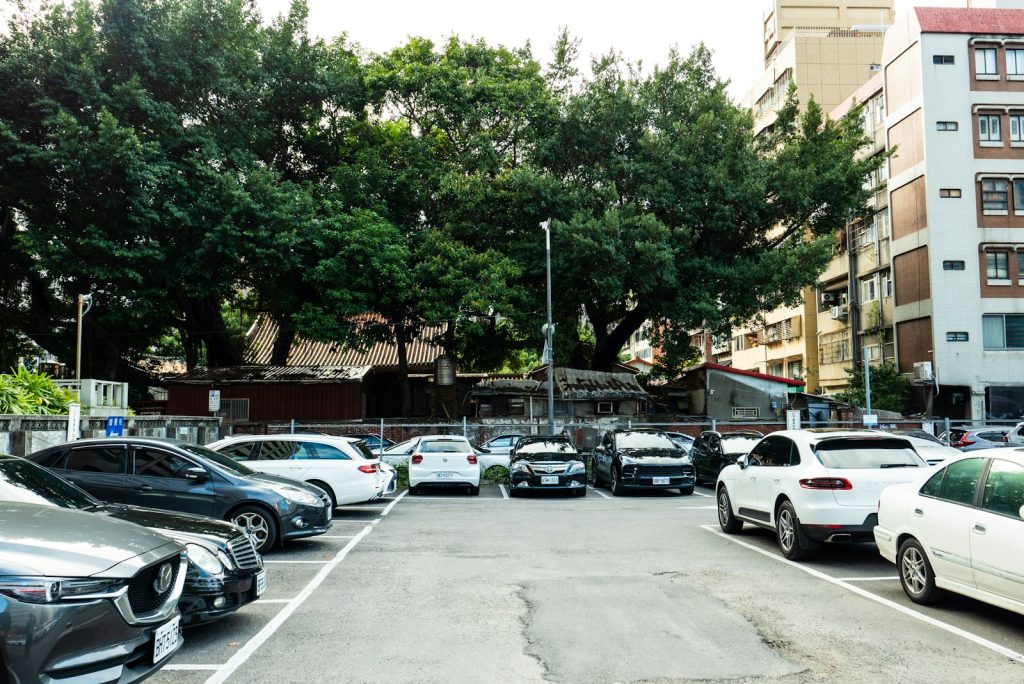
The moment a driver realizes their car is gone is often defined less by anger than by disbelief. People replay the previous night in their heads, check with family members and scan the street for broken glass, trying to decide whether they are dealing with theft, a tow or a repossession. That confusion is amplified when they know they are current on payments, or when the vehicle is fully paid off, yet the space is still empty and there is no notice on the door.
In many mistaken repossession stories, the owner initially assumes a legitimate lender has acted, only to learn later that a stranger’s debt or a clerical slip triggered the removal. A student who woke up to find her 2018 Honda Civic missing, for example, discovered that a bank she had never heard of had arranged for her car to be seized, even though she had no relationship with that lender at all. Her neighbors ultimately helped her track the Civic down at an auction lot, but only after she had spent days trying to understand how a financial institution she did not know could reach into her driveway and take her transportation to work and school.
When a Bank You Do Not Know Takes Your Car
Cases where a lender with no connection to the borrower orders a repossession highlight how fragile the chain of information around vehicle titles and loans can be. In the Civic owner’s case, the bank involved was not the one that had financed her car, yet its records were treated as authoritative enough for a tow truck to remove a 2018 Honda Civic from private property. The student, identified in coverage as Jun, had to prove that the bank’s claim was baseless before she could even begin the process of getting the car back, a reversal of the usual assumption that the person holding the keys is the rightful possessor.
Jun’s neighbors stepped in to help her search, eventually locating the Civic at an auction facility where it was being prepared for sale to satisfy someone else’s debt. That discovery underscored how quickly a wrongful seizure can snowball into a permanent loss if it is not challenged. The bank’s error had already pushed the car into the stream of distressed assets, and without community support and media attention, Jun might have watched her only way to get to work and class disappear into the wholesale market despite having done nothing wrong.
Database Errors and the Disabled Veteran in Houston
Not every wrongful repossession starts with a bank; some begin with a line of code. In Houston, a disabled veteran has described a relentless series of repo attempts tied to a license plate mix up that flagged his vehicle as delinquent in a database used by collection agents. Each time he resolved one incident, the same flawed record would surface again, prompting new efforts to take his car even though he was not the borrower in default. For someone already navigating disability, the repeated confrontations with tow operators and the fear of losing essential transportation added a heavy psychological toll.
The Houston case illustrates how a single database error can propagate through multiple companies and agencies, creating a kind of digital shadow that follows the driver from one encounter to the next. Because the mistake is embedded in back-end systems, the veteran has had to fight the same battle repeatedly instead of fixing the problem once and moving on. That pattern shows how automated tools, when left unchecked, can turn a simple misentry into a long running ordeal for a person who depends on a car for medical appointments, groceries and basic independence.
Why Repossessions Are Rising in the First Place
These individual stories are unfolding against a backdrop of rising repossessions driven by higher car prices and tighter household budgets. Analysts have noted that as monthly payments climb, more borrowers are falling behind, and lenders are moving more quickly to recover vehicles. According to one widely cited benchmark, Auto repossessions can happen as soon as 30 days of delinquency, although most take 90 to 120 days, a window that has narrowed for some subprime borrowers as interest rates and insurance costs have climbed. That compressed timeline leaves less room for families to catch up after a job loss or medical bill before the tow truck arrives.
The surge in repossessions has ripple effects that go beyond the immediate loss of a vehicle. When a car is taken, people can lose access to work, school and childcare, which in turn makes it harder to stabilize their finances and bring accounts current. Reporters have documented cases where parents suddenly had no way to get children to and from school after a repossession, or where workers in sprawling metro areas without robust transit systems were effectively stranded. In that environment, any error in the repossession process, from a misapplied payment to a mistaken identity, carries even higher stakes because the margin for recovery is already so thin.
Neighborhood Sightings and the Repo Man’s Snapshot
Long before a car is physically removed, some owners get a hint that they are on a list when a stranger starts circling the block. In one suburban community, residents described a man pulling into their cul-de-sac, stopping in front of a driveway and taking a picture of a parked vehicle before driving away. The original poster later shared an Update noting that they had captured just the back of the truck on their own camera, and that the visitor had left as quietly as he arrived. Neighbors speculated that the man was a repo agent documenting the car’s location for a future pickup.
That kind of drive-by photography has become a standard part of the repossession toolkit, as agents use quick snapshots to confirm that a vehicle is still at a given address and to prove its condition before removal. For homeowners, though, it can feel like an invasion of privacy, especially when they are not behind on any loans and have no reason to expect collection activity. The fact that the truck would be gone within minutes only adds to the unease, leaving residents to wonder whether their plates or VIN numbers have been mistakenly flagged in a system they cannot see or easily correct.
Tracking Down an Illegally Taken Car
When a wrongful repossession does occur, some owners refuse to accept the loss and start their own investigations. In one widely shared incident from Dec, a man whose car had been taken without proper authorization managed to track it down himself after getting little help from the companies involved. He documented how the tow crew had entered his property, removed the vehicle and then resisted efforts to acknowledge the mistake, even though he had proof that his account was not in default. His persistence eventually forced the repossession company to apologize for the mistake and return the car.
The owner in that case described the incident bluntly, saying that the crew had come onto his property, trespassed and stolen a vehicle, and that nobody seemed willing to do anything until he pushed back. His experience shows how the burden often falls on the consumer to gather records, confront contractors and, if necessary, involve law enforcement or regulators. Without that pressure, an illegally taken car can move quickly through storage yards and auctions, making it harder to unwind the damage even when the underlying error is clear.
Online Outrage and the Legal Advice Playbook
As more drivers encounter questionable repossessions, many are turning to online communities for guidance and solidarity. On one legal discussion forum, a user described how their car had been mistakenly taken and shared a detailed timeline of interactions with the towing company and local authorities. Commenters highlighted reporting that Police did not give a Black homeowner time to respond before assisting with a disputed repossession, and that officials later admitted error in a statement from Perkins, as well as in follow up coverage in Dec. The thread became a case study in how quickly a civil dispute over property can escalate when law enforcement gets involved without a clear legal basis.
Another branch of the same discussion focused on the role of bad information in these confrontations. Contributors pointed to statements that Police have said they were acting on bad info and that they had no warrant to assist with a repo, even though such a warrant was required in that jurisdiction. References to body cam footage with audio underscored how documentation can both expose procedural failures and protect homeowners who insist on their rights. Together, these conversations show how social platforms have become informal archives of repossession disputes, where people dissect statutes, compare experiences and pressure institutions to correct mistakes.
Calling the Police, Calling a Lawyer
When a car disappears and the paperwork does not add up, the first instinct is often to report it stolen. On another legal forum, a user asked whether they should treat a mistaken repossession as theft, prompting a wave of practical advice. One commenter, using the handle MattAU05, urged the owner to Call the police AND talk to a lawyer, emphasizing that both criminal and civil avenues might be relevant. Others suggested looking specifically for Someone who handles consumer protection issues, since those attorneys are familiar with the federal and state laws that govern repossessions and debt collection.
The consensus in those discussions is that drivers should not assume a wrongful repossession will sort itself out if they simply wait for the lender or tow company to realize the error. Instead, they are encouraged to document everything, from driveway photos to phone calls, and to create a paper trail with law enforcement that establishes the car was taken without consent. That record can be crucial later if the vehicle is damaged, if personal property inside goes missing, or if the owner needs to challenge negative marks on their credit report that stem from the incident.
When “Administrative Error” Becomes a Way of Life
The phrase “administration error” appears frequently in official explanations for high stakes mistakes, and repossessions are no exception. A striking parallel comes from outside the auto world, where Corrective Services NSW told 7NEWS.com.au it was investigating why a prisoner named Corey Hastings had been accidentally released from a Sydney correctional facility. Officials said they believed the incident had been due to an administration error, a bureaucratic label that barely captures the seriousness of letting an inmate walk free by mistake. The same language often appears when banks or contractors explain why a car was taken from the wrong driveway or sold at auction despite being current on payments.
More from Wilder Media Group: