
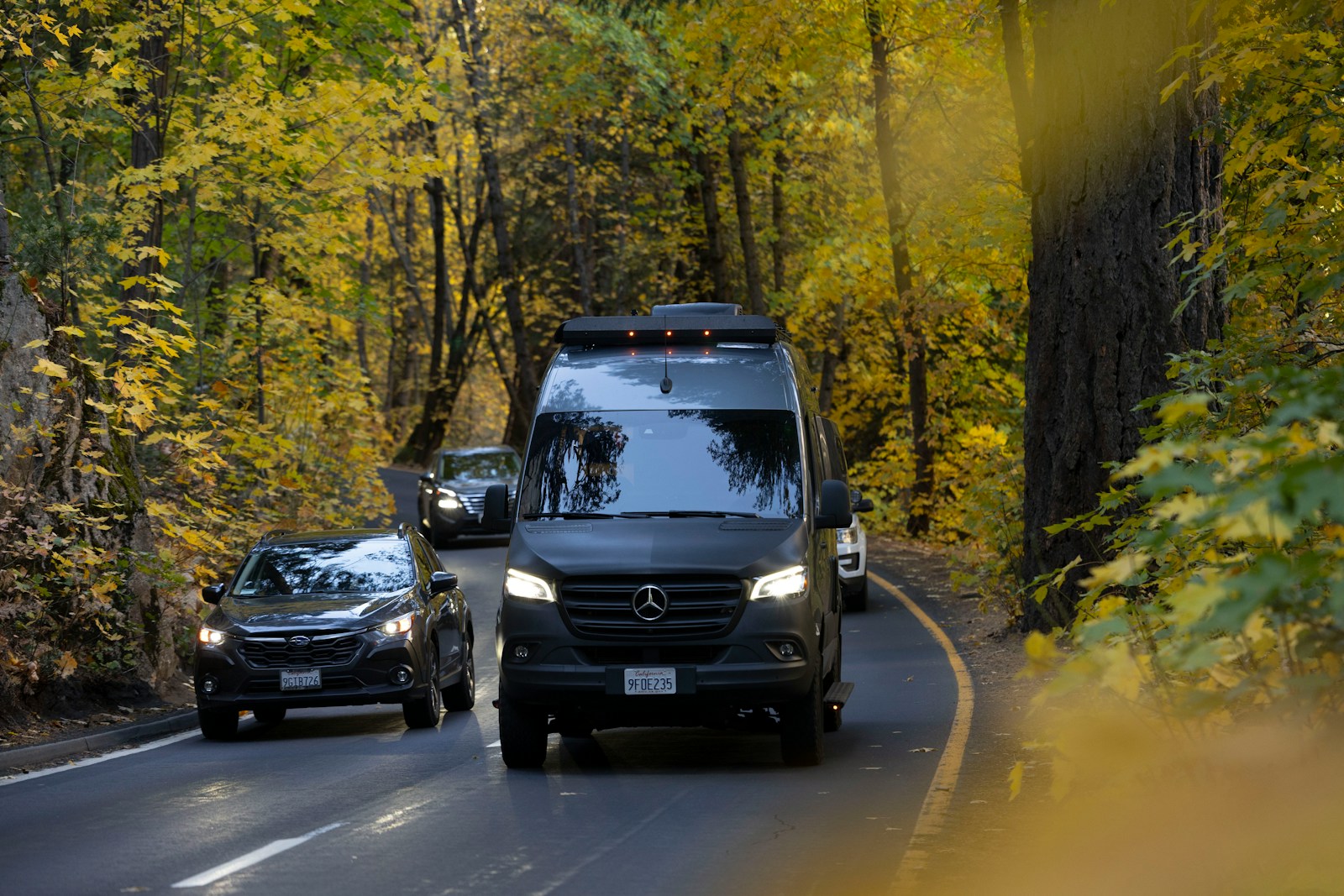

Across the United States, drivers are increasingly fed up with motorists who cruise in the passing lane and refuse to move over. What used to be a matter of etiquette is rapidly turning into a legal flashpoint, as more states debate whether left-lane “campers” should face tickets just like speeders. The push for stricter rules is colliding with concerns about over-policing and driver confusion, and the result is a heated fight over how fast, and how strictly, traffic should flow.
From New England to the Deep South, lawmakers, police and everyday commuters are arguing over whether the left lane should be treated as sacred ground for passing only. As new laws roll out and others stall, the clash is exposing deeper tensions about safety, personal responsibility and how much control the state should have over the way people drive.
Why Left-Lane Camping Became a Flashpoint
For many motorists, the frustration starts with a familiar scene: a slow or steady driver planted in the far-left lane while traffic stacks up behind them. Advocates for stricter enforcement argue that this behavior disrupts the natural flow of vehicles, forcing faster traffic to weave around and increasing the risk of rear-end and side-swipe collisions. Safety campaigns now routinely frame lingering in the passing lane as more than a nuisance, describing it as a behavior that can trigger road rage and chain-reaction crashes, not just mild annoyance.
That argument has gained traction as states look at crash data and congestion patterns on busy corridors from Ohio to Mississippi and North Carolina. In social media posts and public-service messaging, officials increasingly describe the left lane as a passing space that should be cleared once an overtake is complete, not a rolling fast lane for anyone who happens to be at or near the speed limit. That framing has set the stage for a wave of new laws and crackdowns that treat left-lane lingering as a ticketable offense.
Connecticut’s Crackdown and the New Model Law
No state has embraced the anti-camping movement more visibly than Connecticut, which has moved from general “keep right” guidance to a detailed statutory ban. The state’s updated rules make clear that the far-left lane on multi-lane highways is reserved for overtaking, preparing for a left exit or responding to specific traffic conditions. Under the Connecticut framework, drivers who simply cruise in that lane without actively passing can be stopped and cited, a shift that turns what many saw as courtesy into a clear legal duty.
Legal analysts in the state describe the change as a “New Left Lane Law” moment, a formal recognition that congestion and crash risks justify tighter control of lane use. Guidance aimed at residents explains that the New Left Lane is geared toward improving safety and reducing aggressive driving by keeping slower or steady-speed vehicles out of the passing lane unless they are overtaking. Officials stress that the rule is not about punishing drivers for momentary use of the left lane, but about targeting those who effectively turn it into their personal cruising strip.
How the Law Works on the Ground in Connecticut
The practical details of Connecticut’s approach are unusually specific. State highway safety materials spell out that motorists should “Use the” passing lane only to overtake and then move back right when it is safe, and they warn that habitual “camping” can lead to a ticket in the future. The same guidance notes that the Laws now explicitly prohibit driving in the left lane of certain highways unless the driver is actively passing, preparing for a left exit, or responding to congestion or weather that makes lane changes unsafe.
Public messaging has been ramped up to prepare drivers before full enforcement begins. Transportation officials have said that, For the next year, the For the updated left-lane law, the DOT will focus on signage and education so drivers understand that staying left “sometimes causes a problem” when it blocks faster traffic. Coverage of the rollout notes that a new statute will target “camping” in Connecticut, with enforcement aimed at drivers who remain in the passing lane without actively overtaking another vehicle, a standard highlighted in Jul reporting.
Tickets, Fines and the October 1 Deadline
The teeth behind Connecticut’s policy are financial as well as legal. A widely shared explainer notes that an October 1 “camping” law will see one US state fine drivers $142 for going too slow in the wrong lane, underscoring that the lane a driver chooses will matter from 2026. That figure has become a shorthand in online debates, with some motorists arguing that a $142 hit is appropriate for behavior they see as selfish and dangerous, while others say it is excessive for a violation that does not necessarily involve speeding or obvious recklessness.
State-focused coverage adds that When the new law goes into effect on When the Oct. 1, 2026 date arrives, it will be illegal to drive in the far-left lane of any highway with more than one lane in each direction unless the driver meets the law’s exceptions. Legal commentators like Stephen Rivers have framed the measure as an effort to “crush campers” by pairing clear rules with meaningful fines, while injury attorneys emphasize that the new law hopes to cut crashes, ease traffic and create safer, less stressful highways by discouraging slow-moving drivers from lingering in the left lane, a goal highlighted in an Aug analysis.
Police Crackdowns and Social Media Shaming
Even before the full legal changes take effect, enforcement agencies are signaling that patience for left-lane loitering is running out. In Connecticut, State police have already launched targeted patrols, with one segment noting that State police are cracking down on “left lane campers” and treating the behavior as more than a minor annoyance. A related report, introduced with the word Close, describes troopers heading out to a call specifically to monitor drivers who stay in the passing lane way too long, underscoring that enforcement is not just theoretical.
Elsewhere, agencies are leaning on humor and public shaming to change behavior. In Gulfport, Mississippi, a police department post that begins “Left lane campers… we need to talk” calls out drivers who have been “camping out in the left lane for three songs and two exits,” tagging the message with #KeepRightExceptToPass and #DriveLikeYaGotSense. In another viral exchange, a Facebook commenter writes in all caps that it is a PASSING LANE and that if YOU are CAMPING in THE left lane and traffic is stacking up, you are impeding traffic and need to be “re-educated,” capturing the raw anger that often surrounds the issue.
Florida’s Veto and the Limits of Enforcement
Not every state is racing to ticket left-lane drivers. In Florida, lawmakers approved a measure, House Bill 317, that would have prohibited drivers from cruising in the left lane on certain roads and allowed fines of up to $158 for violators. The bill, passed by the Florida Legislature, reflected the same frustration heard elsewhere, with supporters arguing that a clear penalty was needed to keep traffic moving and reduce aggressive weaving.
Governor Ron DeSantis, however, rejected the proposal, signaling that the politics of left-lane enforcement are more complicated than they might appear. In his veto message, he argued that the language of this bill is too broad and could lead to drivers in Florida being pulled over, ticketed and fined for driving in ways that are not clearly dangerous. The decision highlighted a key tension: while many drivers want stricter rules for left-lane use, civil libertarians and some officials worry that vague statutes could become a pretext for unnecessary traffic stops and uneven enforcement.
Safety Campaigns: From Billboards to YouTube
Beyond formal laws, transportation agencies are trying to reshape driver culture through education. In one campaign, the Ohio Department of Transportation produced a video reminding motorists that tailgating and aggressive passing only make situations worse, even when a left-lane camper is in the wrong. The clip, shared on platforms like YouTube, urges viewers to stay calm and avoid escalating conflicts, with Oct messaging that emphasizes patience and safe following distances rather than vigilante-style enforcement by frustrated drivers.
Other states are experimenting with social media explainers and infographics. A widely circulated Instagram post notes that Some states have taken more proactive approaches to reminding drivers about proper road etiquette, including laws that specifically address left-lane camping. In Connecticut, public radio coverage has described how the new law will target “camping” on routes like Route 9 in Middletown, while emphasizing that the law has exceptions for congestion and safety, a nuance highlighted in a Tired of explainer. Together, these campaigns aim to reduce conflict by clarifying both the spirit and the letter of the rules.
Do Left-Lane Bans Actually Improve Safety?
Supporters of left-lane restrictions argue that the benefits are straightforward: fewer slow vehicles in the passing lane should mean smoother traffic, fewer abrupt lane changes and less road rage. Injury lawyers and safety advocates in Connecticut say the new law hopes to cut crashes, ease traffic and create safer, less stressful highways by discouraging slow-moving drivers from lingering in the left lane without actively overtaking another vehicle, a goal spelled out in the new law overview. They point to research showing that consistent lane discipline can reduce bottlenecks and make it easier for emergency vehicles to navigate crowded roads.
Critics counter that the picture is more complicated. Some traffic experts warn that strict left-lane bans can backfire if they encourage constant lane changes or if drivers feel pressured to move right even when conditions are not safe. A Facebook post from a Florida news outlet captured the debate in a single prompt, asking, Question: What is worse, moderate speeding or “left-lane camping”? The Answer in that post argued that Left-lane camping disrupts traffic flow, described as the top predictor of crashes, but the very need to pose the question shows how divided drivers remain over which behavior is more dangerous and which should draw a ticket first.
The Culture War Over Courtesy and Control
At its core, the fight over left-lane camping is as much cultural as it is legal. For some drivers, especially those who see themselves as rule-followers, staying in the left lane at the speed limit feels perfectly reasonable, and they bristle at the idea that faster traffic should dictate their behavior. For others, the left lane is a PASSING LANE in capital letters, and anyone who treats it as a cruising lane is, in their view, selfish or ignorant. That divide plays out daily in horn blasts, brake checks and angry posts, as motorists argue over whether courtesy means moving over or slowing down.
States are responding in different ways. In Connecticut, officials are betting that clear statutes, fines and education will reset expectations by 2026. In Florida, leaders like Ron DeSantis have signaled more caution, warning that broad bans could invite overreach. Elsewhere, from Ohio to Mississippi and North Carolina, transportation departments are watching closely as Connecticut’s October 1 experiment unfolds. Whether tickets for left-lane camping become a nationwide norm or remain a patchwork of state-by-state rules will depend on how convincingly lawmakers can show that these laws make roads safer without turning every lane change into a potential traffic stop.
More from Wilder Media Group: