
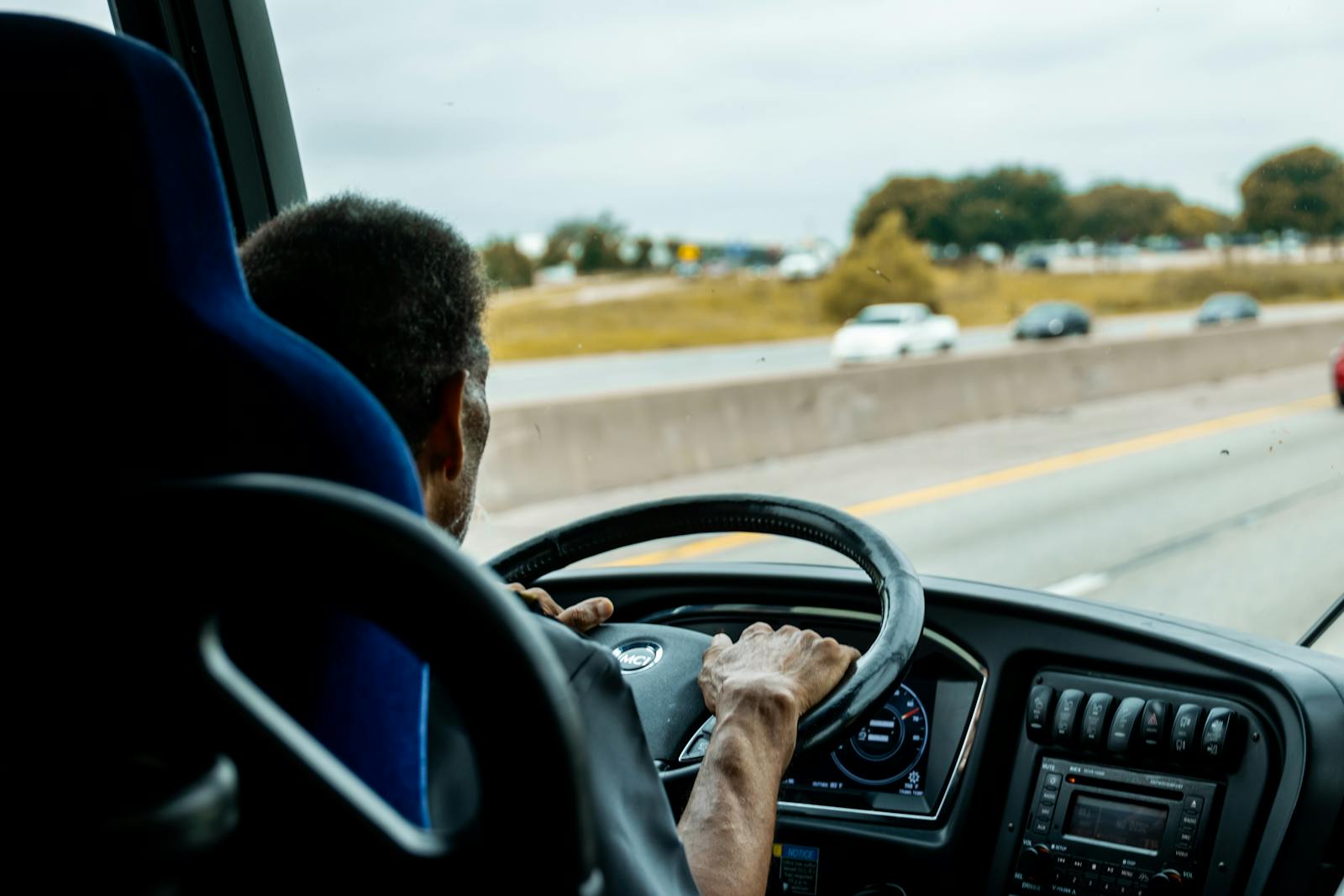

You notice new orange-and-white stripes on the highway and wonder what they mean and whether to change your speed. Officials say the markings mark special conditions — like construction zones or temporary speed changes — and aim to grab attention so drivers slow down.
When you see these stripes, expect temporary rules and reduced speeds in the area, and adjust your driving accordingly. This post will decode why transportation agencies are testing the stripes and give clear, practical steps to follow when you encounter them so you stay safe and avoid surprises.
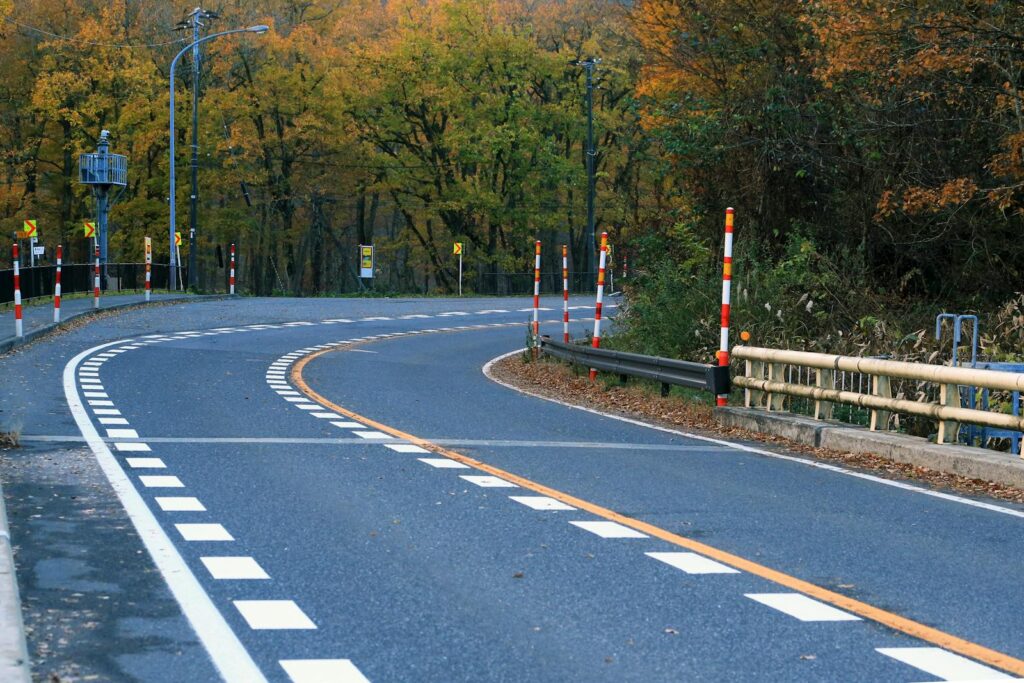
Decoding Orange-and-White Road Markings: Why Are They Popping Up?
Officials use high-contrast markings to signal temporary changes in speed and lane patterns. Drivers report the stripes grab attention and help them stay centered in a lane during construction.
The Real Reason Behind the Orange Stripes
Transportation agencies add orange pavement markings to make work zones more visible and to align lane visuals with construction signage and cones. The orange lane markings use the same hue as temporary signs and cones so drivers immediately link the color to special rules or reduced speeds. Agencies piloted orange striping on sections of Interstate 5 (I-5) in northern San Diego County and other test corridors to measure driver response.
Research and surveys indicate orange markings increase driver awareness and can produce modest speed reductions. The markings are temporary; crews apply them only while special road measures or changed traffic patterns are active. That temporary status keeps standard white and yellow rules intact outside work zones.
Where You’ll Spot Orange-and-White Markings
Expect orange-and-white road markings mainly in active construction zones, freeway repaving projects, and short-term lane reconfigurations. Reports and pilot programs show early deployments on I-5 and other major freeways in California, with experiments in at least seven states testing wider use. Local transportation departments coordinate striping with project timelines and traffic control plans.
Drivers often see orange striping placed over or alongside the existing white lane lines, and sometimes as full-contrast patterns where lane edges or centerlines need emphasis. Media outlets and roadway-safety organizations document deployments; readers in Southern California may encounter them more frequently. The temporary nature means markings appear and disappear with project stages.
How These Markings Impact Speed and Safety
Field evaluations show orange markings can reduce speeds by a few miles per hour and improve lane-keeping. One study found a roughly 4 mph decrease on sections with orange contrast markings and higher rates of drivers staying centered in their lanes. Surveys conducted during pilots reported large percentages of drivers felt more aware of the work zone when they saw orange striping.
Agencies pair orange pavement markings with signage, barrels, and reduced speed limits. That layered approach helps translate the visual cue into safer behavior. While the effect is modest, practitioners view orange striping as a low-cost tool to enhance compliance in temporary traffic conditions. For news coverage of deployments and public reaction, local outlets like KTLA have covered the visible changes on regional highways.
How to Respond to Orange-and-White Road Markings as a Driver
Drivers should treat orange-and-white markings as deliberate cues to change speed and lane behavior. They need to slow to the posted advisory or observed flow, watch lane boundaries, and check for temporary work zones or trial installations.
Slowing Down: What Officials Expect
Officials expect drivers to reduce speed when they encounter orange-and-white markings, typically by a few miles per hour compared with normal posted speeds. Drivers should follow any adjacent advisory signs; if signs show a lower advisory speed, they should match that speed and allow extra following distance.
If no advisory sign appears, drivers should still reduce speed enough to maintain control through the marked zone and to respond to unexpected narrowing or curve delineation. Slowing helps drivers maintain lane position near the center of their lane and improves visibility at night. Electronic speed displays or enforcement may be used; verifying your device for accuracy before relying on it is wise.
Differences From Other Lane Markings
Orange-and-white markings differ from standard white and yellow lines by signaling temporary speed or alignment cues rather than permanent lane assignments. Unlike a solid white line that discourages lane changes, orange-and-white markings often indicate a provisional or enhanced warning where lane discipline still matters but may be adjusted.
They are not the same as HOV lane diamonds or permanent centerline colors. Drivers should not treat them as new lane separators unless accompanied by standard regulatory paint. If the orange pattern overlays or sits next to a solid white line, the solid white still controls lane-change rules unless signage states otherwise.
Temporary vs Permanent Changes
Orange-and-white markings frequently denote temporary treatments, pilot projects, or construction-related adjustments. Drivers should check for nearby signs or channelizing devices that confirm whether the change is temporary and follow those instructions first.
For permanent installations, agencies usually add signs, pavement-standard colors, or official announcements. If markings appear without supporting signs, drivers should assume a temporary trial and proceed with extra caution, yielding to posted traffic-control devices and avoiding sudden lane changes.
More from Steel Horse Rides: