

New cars are quietly shipping with a feature that many drivers never asked for and increasingly resent: software that locks everyday functions behind a subscription paywall. Instead of paying once for heated seats, remote start, or advanced driver aids, owners are being nudged into monthly fees that can follow them for the life of the vehicle. The result is a rare point of near-universal agreement among motorists, from budget commuters to luxury buyers, that this particular tech trend has gone too far.
At the same time, the push to turn cars into rolling smartphones, packed with giant touchscreens and always‑connected services, is colliding with concerns about distraction, privacy, and even remote control of vehicles. The anger is not about technology itself so much as the feeling that the balance of power has tipped away from drivers and toward automakers’ recurring revenue plans.
The feature drivers never wanted: subscriptions for basics

Automakers have discovered that once a car is wired like a computer, they can sell the same hardware more than once. Many vehicles now leave the factory with built‑in capabilities that stay locked until the owner pays to activate them, turning things like seat heating or extra horsepower into software toggles. One report described how One premium compact requires buyers to subscribe just to use basic car features that are already physically present, a model that feels less like innovation and more like a cover charge on equipment people thought they had purchased.
Luxury brands are not alone. A separate investigation into heated seat paywalls noted that Automakers have “figured out” they can charge drivers twice for software‑enabled features, first when the car is bought and again to unlock the function over time. That double dip is at the heart of the frustration: owners are not objecting to paying for value, they are objecting to paying again and again for the same hardware already bolted into their driveway.
The data is blunt: drivers are saying no
Consumer sentiment around these add‑on fees is not just anecdotal grumbling. A detailed look at connected services found that 76 Percent of drivers are saying no to Automakers’ Grubby Subscription Services, according to a Study that drew on data from the platform and app management company Smartcar. In other words, the majority of owners are actively opting out when given the choice, even as car companies talk up the promise of “digital ecosystems” and “ongoing relationships.”
Another analysis of connected car apps reached a similar conclusion, reporting that 76% of drivers are skipping connected car subscriptions altogether. A separate deep dive into paywalled features argued that Jul data proves consumers hate paying a subscription to use features their car already has, especially when those features are ones they do not frequently use. The pattern is clear: drivers are not just annoyed, they are voting with their wallets.
From heated seats to “double charging” and backlash
As subscriptions creep from infotainment into core functions, the backlash has become more organized. One detailed critique argued that the problem is not that subscription models exist, or even that data is harvested and sold, but whether the subscription is fair and transparent, noting that Jan commentary has framed many of these plans as “double charging” for capabilities that clearly have financial value to automakers. When a driver pays for a car with adaptive cruise hardware installed, then faces a recurring bill to keep it active, it feels less like a service and more like a ransom.
Even brands long associated with reliability and value are testing the limits. Reports that Toyota is facing backlash over alleged subscription fees for features that used to be standard show how sensitive this territory has become, especially when Tesl style paid add‑ons are cited as the template. Broader industry coverage notes that the subscription model has been successful with some drivers, but that There has also been a large and vocal group of consumers expressing their dissatisfaction with automakers, a group that is only growing as more brands experiment with pay‑per‑feature menus.
Touchscreens, warnings and the “smartphone on wheels” problem
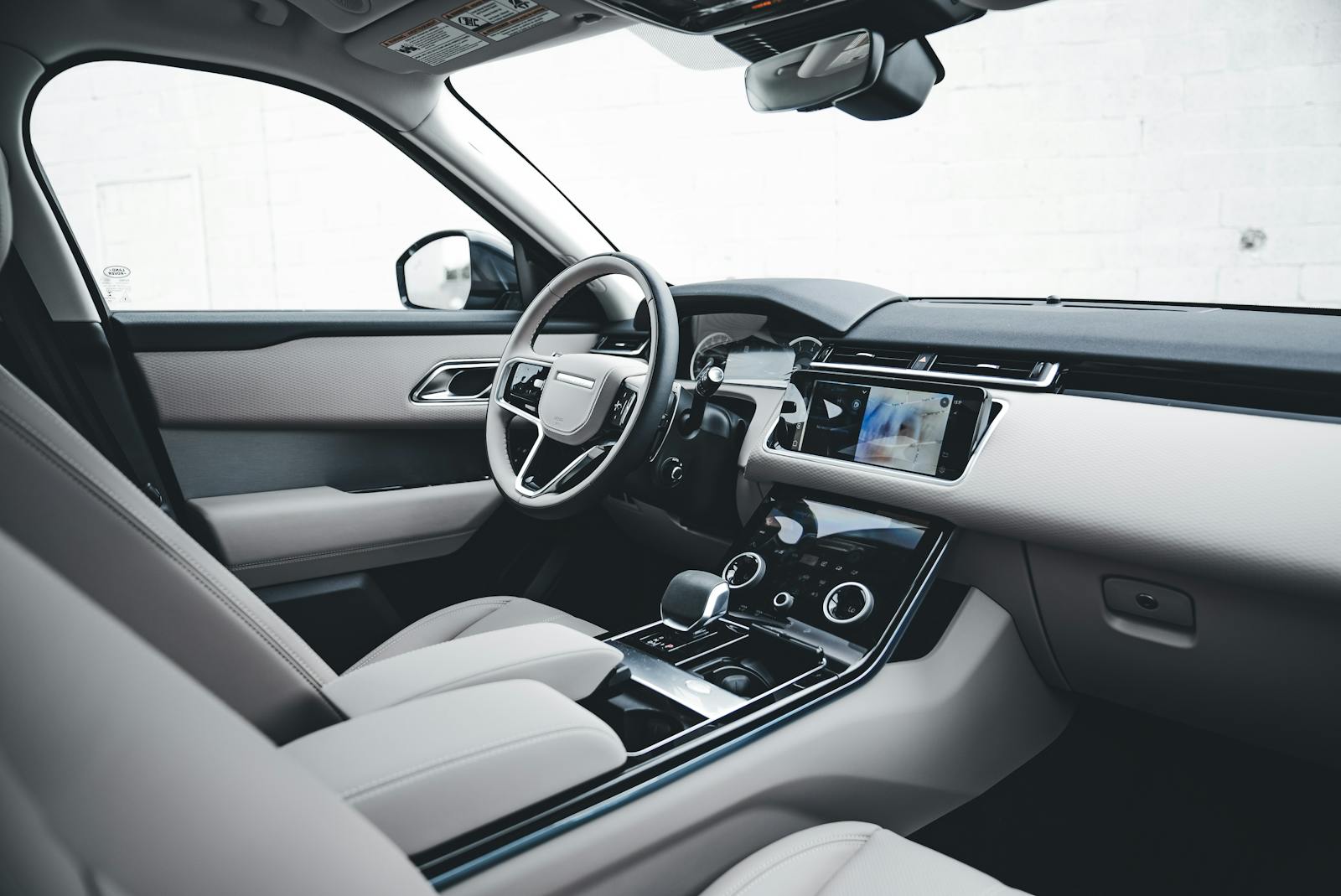
The subscription fight is unfolding alongside a broader revolt against the way modern cars are designed to be used. Many new models now route almost every function through a central touchscreen, from climate control to drive modes, in the name of a sleek, minimalist look. A senior director of auto benchmarking, Frank Hanley, has warned that while customers do find larger touchscreens visually appealing, they can be dangerously distracting every time a driver takes a corner, a point underscored in Frank Hanley research that relies on detailed benchmark testing.
Everyday motorists are noticing the same thing. One driver’s viral complaint described how Ironically, diving into menus to tame overactive driver assistance systems meant pulling attention away from the road and “basically playing with an iPad” for 15 seconds. Another widely shared photo of an alarming in‑car setting prompted one commenter to complain that Cars are becoming smartphones with wheels, a phrase that captured the mood around the image shared by Driver James Anthony Bel.
Buttons are back, but the fight over control is just starting
Not everyone in the industry is ignoring the backlash. Some brands are now leaning into physical controls as a selling point, a notable shift after years of chasing tablet‑like dashboards. One analysis of interior trends pointed out that Dashboards in automobiles are now feeling “throwback pressure” as designers reconsider the move from tactile buttons to all‑screen infotainment systems. A separate look at a revived truck brand noted that the backlash against touchscreen‑dominated interiors has grown so significant that Europe’s leading safety testing agency now deducts points from vehicles lacking physical buttons for essential functions, a powerful incentive to bring knobs and switches back.
Safety regulators are also starting to push back on intrusive alerts and menu mazes. A report on crash testing in Europe explained that future ratings will reward cars that “Bring back buttons,” after research suggested touchscreens are dangerously distracting and that some warning systems are simply too annoying, a shift detailed in Bring coverage of Euro NCAP tests. At the same time, a list of 2025’s biggest car‑related pet peeves argued that it is hard to think of a worse design trend than consolidating every system into a single screen, from climate to phone connections and navigation, a frustration captured in Dec commentary that reads like a manifesto for the return of simple, labeled buttons.
More from Wilder Media Group: