
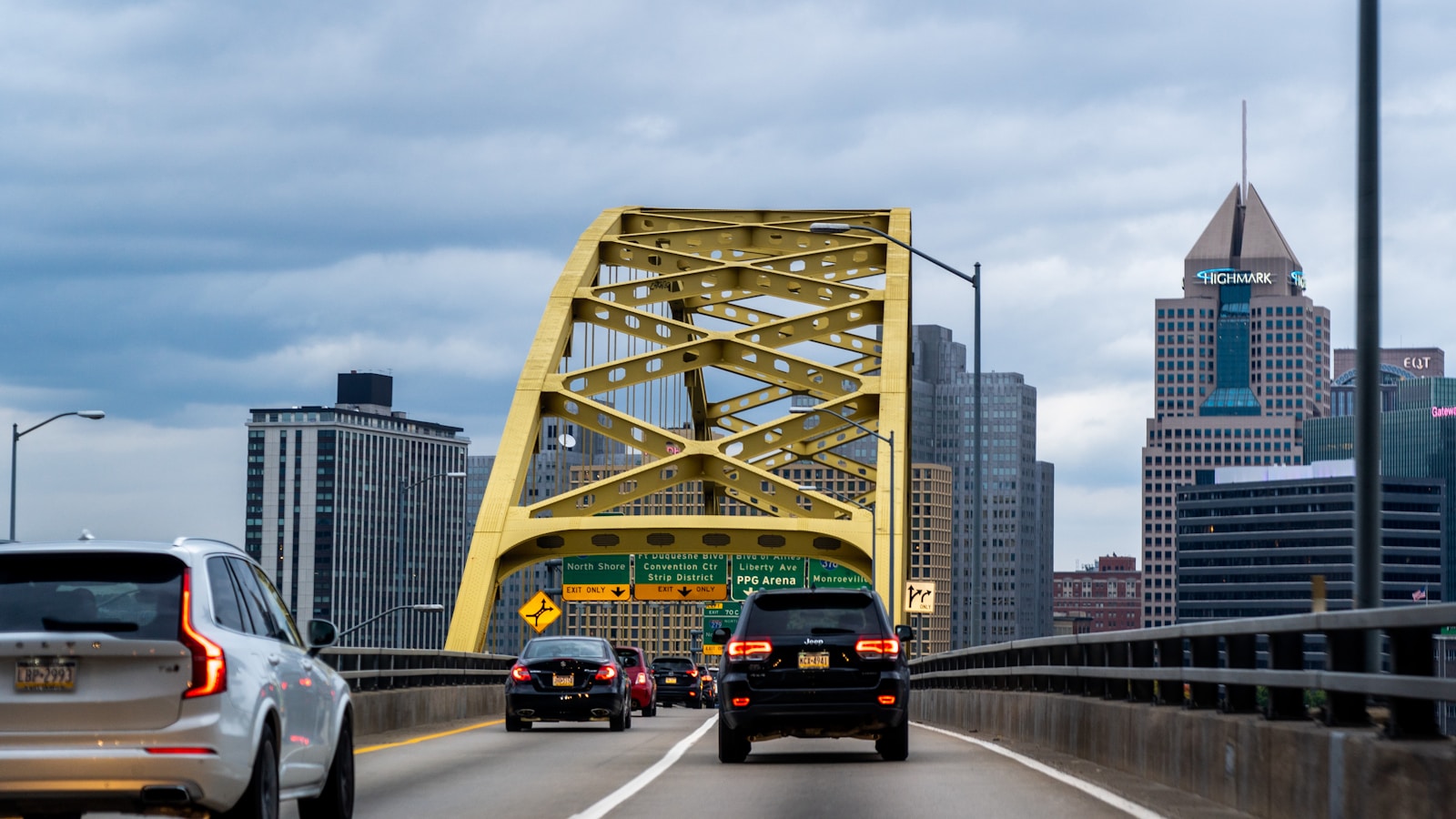

Across the country, drivers are opening their mail, checking their bank apps, or scrolling through text messages and finding toll charges they never saw coming. Some are the result of higher rates that quietly kicked in at the start of the year, others stem from glitches, confusing billing systems, or outright scams. The result is a growing sense that the toll system is less a predictable user fee and more a minefield of surprise costs that families are tired of absorbing.
That frustration is landing at a time when household budgets are already stretched by higher prices for basics like power and groceries, so even a handful of unexpected tolls can feel like the last straw. From California express lanes to New Jersey bridges, from rental car counters to phishing texts, the complaints are piling up and the anger is starting to shape how people talk about transportation, technology, and trust.
Sticker Shock Meets Silent Toll Hikes
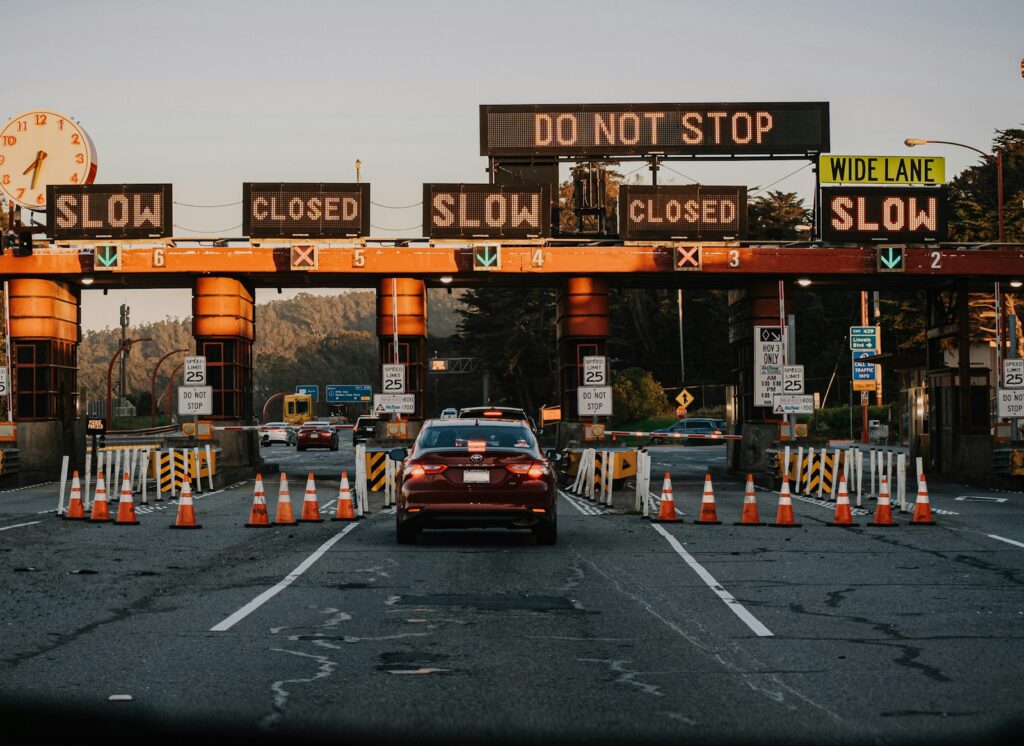
Part of what drivers are calling “surprise” tolls is really the shock of learning that the price quietly went up while they were just trying to get to work. In the Bay Area, a new schedule Approved by BATA added a 50 cent bump on seven major bridges, with a tiered structure that nudges people toward electronic payment. For commuters who cross those spans daily, that kind of increase quietly snowballs into real money over a month, especially when it is buried in fine print and not front and center on the roadside signs they are used to glancing at.
On the other side of the country, Drivers in Pennsylvania and New Jersey are being told that the E‑ZPass rate for passenger vehicles will rise by $0.50, from $1.50 to $2 in 2026, while Toll‑By‑Plate drivers will pay even more to cross key connections from New Jersey into Pennsylvania, according to one detailed Toll and Plate breakdown. In New Jersey more broadly, higher highway tolls and a gas tax hike are being justified as necessary to shore up aging roads and bridges, a tradeoff that Philadelphia area New Jersey Drivers are being asked to accept with little say in the timing.
California’s I‑80 Mess Shows How Fast Trust Can Erode
In California, the outrage is not just about higher prices, it is about being charged at all. Along a stretch of Interstate 80, Drivers started reporting that they were getting billed for express lane tolls even when they insisted they had stayed in the general lanes. Local coverage captured how the mayor stepped in and contacted Caltrans after residents complained about unexpected I‑80 charges, a dispute that was highlighted in a segment urging viewers to Download the News app for updates. When people feel like the system is charging them for something they did not do, the anger is less about the dollar amount and more about the sense that the rules are rigged.
In SOLANO COUNTY, Calif, Drivers in Solano County have raised similar alarms about being mistakenly charged for using new express lanes, prompting Caltrans to say it is reviewing how the tolling technology is working and how enforcement cameras are reading license plates in that corridor, according to a detailed Solano County account. A separate clip shared through a national portal showed Drivers again describing unexpected I‑80 toll charges as the mayor pressed Caltrans for answers, with the video noting that some people were billed even when they were not driving in the FasTrak lanes on 80, a frustration that was amplified when the piece was later Posted and Last updated with more viewer complaints.
Tech Glitches, From FasTrak To FASTag
Even when tolling technology works as designed, it can feel opaque, and when it misfires, the fallout lands squarely on drivers. In the Bay Area, the FasTrak system that handles bridge and express lane billing is supposed to make life easier by letting people prepay and zip through gantries, but the same automation that speeds traffic can also generate charges that are hard to decode on a monthly statement, especially for people who rarely log into their FasTrak account. When a camera misreads a plate or a transponder fails to ping, the system still spits out a bill, and the burden shifts to the motorist to prove the machine was wrong.
Similar headaches are playing out in other countries that rely on electronic tags. In India, for instance, drivers have complained about FASTag Deduction Without Travel Instances, where money is pulled from an account even though the vehicle never crossed a toll plaza, a problem that has been linked to database errors or technical glitches at the booth, according to one guide on handling Deduction Without Travel. The pattern is the same: the more invisible the tolling infrastructure becomes, the more drivers feel like they are swiping a mystery card every time they merge onto a highway.
Rental Cars And “Phantom” Fees
Renters are discovering that toll surprises do not always come from the road operator, sometimes they come from the company handing over the keys. Major brands like Hertz have built toll programs into their contracts, offering the convenience of using cashless lanes in exchange for daily service fees that can dwarf the underlying tolls, a setup that is spelled out in the fine print on the Hertz site but often missed at the counter. Travelers who thought they were just paying a few dollars to cross a bridge are later stunned to see line items that look more like premium insurance than a simple pass‑through of road charges.
That frustration has boiled over into legal fights and regulatory scrutiny. Consumer outrage has already led to lawsuits and even pushed Florida’s attorney general to order refunds from rental companies that failed to clearly explain the details of their automated toll collection programs, according to one account of how Consumer complaints played out in Florida. For drivers, the lesson is that the toll bill does not end at the gantry, it can keep growing in the back office of a rental agency long after the trip is over.
Scammers Smell Opportunity In The Confusion
Where there is confusion and money in motion, scammers are never far behind, and tolls are proving to be a ripe target. The Toll Roads in Southern California has warned that people are receiving phishing texts that claim to list a specific outstanding toll and threaten penalties, urging customers to ignore those messages and instead log directly into their official The Toll Roads account to check balances. In Wisconsin, Apr reports described One scam text that bluntly told recipients “Your toll balance is outstanding. If you fail to pay … you will face penalties or legal action,” a message that state officials, including Reinen, flagged as a classic pressure tactic designed to push people into clicking a malicious link, according to a warning about how Your data can be stolen.
Nationally, The FBI has told Nexstar that it logged more than 60,000 complaints in 2024 from people who received suspicious messages about unpaid tolls, many of which tried to steer victims to fake payment portals instead of official agency sites, a spike that was detailed in a broader warning about The FBI and Nexstar tracking the trend. In Washington, D.C., the city’s attorney general, Schwalb, has been blunt, saying that Toll enforcement agencies will never contact you via text to demand payment for an unpaid toll and stressing that these messages are scams being blasted out to residents in the region, a point underscored in a local alert that quoted Toll and Schwalb directly.
The toll scams are part of a broader wave of digital fraud that leans heavily on fake identities. A recent crypto crime analysis found that Impersonation scams have seen explosive growth, with fraudsters pretending to be everything from government agencies to delivery companies, and even one campaign that impersonated the U.S. Postal Service, according to a breakdown of how Impersonation tactics are evolving. When drivers are already bracing for real toll hikes and confusing bills, it becomes that much easier for a fake text to slip through their defenses.
How To Fight A Bad Toll Bill
For drivers who are sure a charge is wrong, the next question is how to push back without losing an entire afternoon on hold. In Orange County, The Toll Roads tells customers that they can dispute a violation by filling out the Contest of Notice portion of their Notice of Toll, a process laid out in its official FAQ on How You can challenge a notice. In Washington state, the Good To Go! system says it is easy to dispute a toll or other charges online as long as drivers have the required documentation, and even offers a one time waiver in some situations, a policy spelled out in its own guide on How to dispute.
Experts who work on toll systems say the key is to treat a dispute like any other billing fight: gather evidence, keep records, and use the channels the agency prefers. One industry guide titled What are the Best Solutions for Handling Toll Violation Disputes stresses that drivers should collect relevant documents, such as photos, transponder numbers, and travel logs, before contacting the agency, and then follow the specific steps it outlines to dispute a toll charge, advice that is laid out in detail under the heading What Best Solutions for Handling Toll Violation Disputes. In Texas, the state transportation department tells people to Contact HCTRA Online by visiting its site, or By Phone by calling HCTRA customer service at 281‑875‑EASY, and even lists in person options at TxTag partner locations, all spelled out in its official page on how to Contact HCTRA and Call HCTRA EASY.
Other agencies have carved out specific exceptions. In central Texas, drivers whose vehicles fall into certain categories are told to complete a Toll Violation Defense Form and submit it with supporting documents, with the agency saying email is the best way to send that paperwork and promising a response within five days of receipt, according to its instructions on the Toll Violation Defense related process. In Maryland, the E‑ZPass system walks people through Step 3: Choose a Dispute Method, listing each Method, its Details, and Pros, including options like Online or Webchat and in person visits, in a table that spells out how to Step and Choose a Dispute Method that fits.
Local Budgets Versus Household Budgets
Transportation agencies argue that higher tolls are not a cash grab but a survival tactic for aging infrastructure. In New Jersey, officials have been explicit that the combination of higher gas taxes and highway tolls is meant to raise money for aging roads and bridges, a rationale laid out in coverage focused on how Philadelphia area Philadelphia and New Jersey Drivers will feel the pinch. In Texas, Drivers in Montgomery, Fort Bend and Brazoria counties are being told that toll road fee increases in 2026 are needed to keep up with rising maintenance and expansion costs, a message repeated in a regional report that credited the analysis to By Catherine Dominguez and Claire Go as they walked through what the hikes mean for Drivers in those counties.
Closer to Houston, Holly Galvan Posey, Digital Content Producer, reported that Fort Bend County toll rates will rise in 2026, with the story noting that it was Published with Tags that included Tolls and Toll and that the move was part of a broader regional strategy to keep projects funded, according to the official Holly Galvan Posey write‑up. A social clip shared by a local outlet put it more bluntly, saying that Toll hikes are coming in 2026 and that Drivers in Harris County and Fort Bend County will see higher rates next year, with the post tying those increases directly to rising maintenance and expansion costs in the region, a message that was pushed out through a widely shared Toll update aimed at Drivers in Harris County and Fort Bend County.
When Local Leaders Step In
Where Drivers Go From Here
More from Wilder Media Group: