


Drivers are quietly tucking Apple-style trackers into door pockets, spare-tire wells, and behind trim pieces, hoping a coin-size gadget will give them a fighting chance if their car disappears. The move comes as reports pile up of thieves and stalkers using the same technology to follow vehicles home, strip them for parts, or wait for the right moment to strike. What started as a handy way to find lost keys has turned into a cat-and-mouse game over who controls a car’s location data.
The result is a strange new normal on the road: people are buying the very devices that scare them, then hiding them in their own vehicles as a last line of defense. Some are copying police and insurance programs that now hand out trackers, while others are learning from victims who only discovered they were being followed when their phone lit up with an alert. The tech is simple, the stakes are not.
From lost keys to high‑stakes tracking
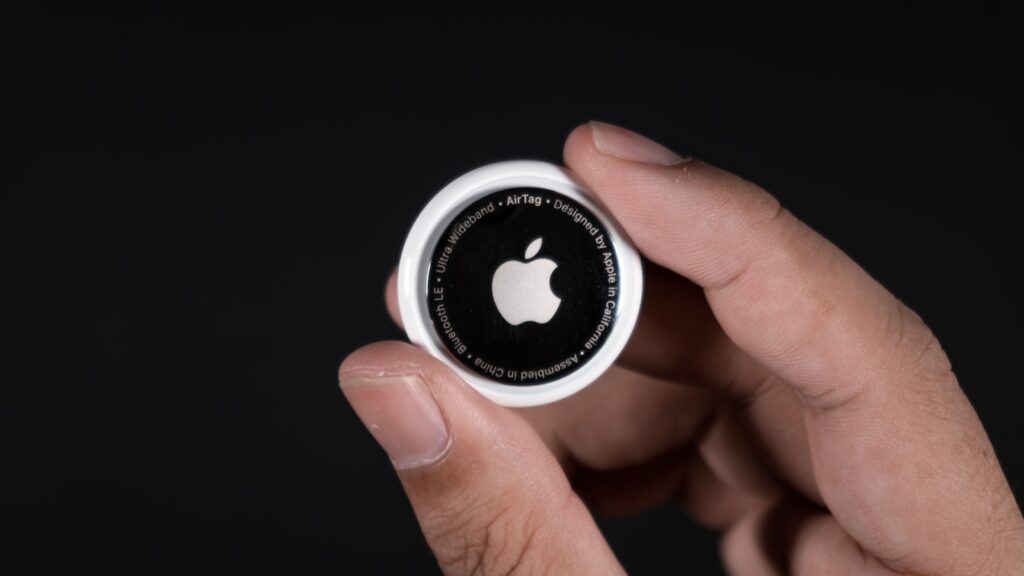
Apple’s tiny Bluetooth trackers were pitched as a way to keep tabs on everyday stuff, but they have turned into a powerful tool for anyone who wants to know where a car is at all times. The devices are cheap enough that a driver can grab a multi-pack of similar product tags without thinking twice, then pair them with a phone and forget they exist until something goes wrong. That low cost and “set it and forget it” design are exactly what make them attractive to both cautious owners and people with bad intentions.
As the devices spread, so did stories of them being misused. Police in multiple cities have warned that crooks are slipping trackers onto high-end vehicles in parking lots, then checking the app later to see where the car sleeps at night. In Canada, a partnership highlighted how AirTags were being used in a broader car theft crisis, with officials describing how organized groups were quietly following vehicles and then loading them into containers that later turned up at a Canadian port, a pattern detailed in a report that urged readers to Share Close and spread the warning.
Thieves figured it out first
Before drivers started hiding trackers in their own cars, thieves were already quietly testing the idea. Reports describe how Thieves were attaching Apple AirTags to vehicles in crowded lots, then waiting until the owner drove home to a quieter street or a dark driveway. Once they knew the exact spot, stealing the car or breaking in for valuables became a low-risk, high-reward job.
Police in Burlington, Vt. have said residents are finding hidden AirTags and other GPS tracking devices on vehicles returning from malls and other busy spots, a sign that criminals are comfortable using consumer tech as a scouting tool. In another warning shared on social media, people were told that if they have an iPhone, Apple Air Tags can help locate a stolen car, but the same devices are already being used by the other side of the law.
Real‑world scares are changing driver behavior
For many drivers, the turning point was not a press release but a story that sounded uncomfortably close to home. One widely shared account described a TLDR post where the writer said “Sorry” for the length, then walked through how they used an AirTag to track down a stolen car that had been found and ditched. The narrative, which noted that “There” were pictures and videos of the recovery, read like a how-to guide for anyone wondering if a $29 gadget could actually make a difference.
Other stories are less empowering and more chilling. In one case, a Driver in NOVI, Mich. learned he was being tracked after finding a hidden Apple AirTag on his car, a discovery that was illustrated with “Prev Next” images credited to Storyblocks and reported by Jeff Tavss. A Florida couple faced “horror at home” when suspects allegedly followed them using an air tag, with police saying the burglars used the device to track victims to their house. These incidents, amplified across local TV and social feeds, have pushed cautious owners to think less about convenience and more about survival.
Police and insurers are quietly leaning into trackers
Law enforcement has not ignored the upside of tiny trackers. In one segment on hidden AirTag dangers, officers explained that air tags are those little devices people use to keep track of things they might lose, but also what some people use to secretly follow others. The same report noted that police are now handing them out for safety, effectively turning the tech into a sanctioned anti-theft tool even as they warn about its darker uses.
North of the border, a new partnership has tried to fill what was described as Canada’s car theft gap by encouraging drivers to use AirTags as part of a broader strategy. The initiative, detailed in a piece that urged readers to Share the warning on Facebook or Send it via email, framed trackers as one of the few tools that can follow a vehicle if it is loaded into a container and shipped toward a Canadian port. When police and insurers start recommending the same gadget that criminals are abusing, it is no surprise that everyday drivers are quietly copying the playbook.
Common hiding spots, on both sides of the law
Once someone decides to plant a tracker, the next question is where to hide it. Investigators and consumer advocates have flagged Common hiding spots that keep the device close enough to connect but far enough out of sight that a quick glance will not reveal it. Under or behind the license plate, inside the gas tank door, and deep in the wheel well or behind the rims are all on the list, which is why some mechanics now add “tracker check” to their informal inspection routine.
Legal guides aimed at potential victims echo the same advice. One breakdown of Common Air Tag scenes told readers to look behind the license plate, Inside glove compartments and seat pockets, and Under seats or in cup holders, as well as in the trunk or spare tire area. Another safety explainer warned that crooks apply the AirTags to target vehicles in public places, then use the tracker to follow victims home where they then strike, a pattern laid out in a post that bluntly described how Crooks operate.
Phones are now early‑warning systems
As the risks became obvious, Apple and Google started turning phones into tripwires. Apple published an Updated support document in which Today Apple said it was updating its unwanted tracking guidance to communicate safety features built into AirTag, AirPods, and other Find My network accessories. Those changes included clearer alerts when an unknown tracker appears to be moving with someone, and instructions on how to disable it.
Android users are not left out. One short video explained that android has a new feature that alerts people to any unwanted Air Tag tracking so they can know if criminals are using location tech against them. A separate how-to guide told readers that if they use an Android phone, they can download the Tracker Detect app to get notifications if an unknown AirTag is tracking them, a step also recommended in another explainer that urged Android users to Download the free Tracker Detect app, locate any suspicious tag, remove the battery, and contact police.
Drivers are hiding their own tags as backup
With all of that in the background, more drivers are deciding that if someone is going to track their car, it might as well be them. Cottage and rural communities have been told bluntly that You can also use AirTags to your advantage, with one expert, Ricciardi, saying he tells people to put two AirTags in their own vehicle so they have a better shot at finding it if thieves manage to bypass alarms and immobilizers. That advice has filtered into online forums where owners trade tips on where to stash a tag so a thief will not immediately spot it.
Some are even copying the same hiding spots criminals use. Legal blogs that warn about trackers also suggest that owners tuck their own devices behind trim or in the spare tire area, mirroring the guidance in trunk checklists. Others are turning to generic Bluetooth tags sold through big-box retailers, browsing multi-pack product listings that promise long battery life and simple pairing. The logic is simple: if a thief does manage to get away, the owner wants at least one silent ping still riding along.
Stalking, robbery, and the darker edge of location tech
The same features that make trackers appealing to cautious drivers also make them dangerous in the wrong hands. Police have warned that Air Tags and other tracking devices are small pieces of technology designed to help people keep track of their belongings, but they are also being used by stalkers to follow victims without consent. Another warning video described how a Florida couple experienced “horror at home” when suspects allegedly followed them using an air tag, turning a simple drive back from a store into the setup for a potential burglary.
Robbery cases have pushed the concern even further. One report described how suspects allegedly pulled off a planned burglary by using an AirTag to track victims to their home, a tactic that police in Houston detailed in a clip about a planned break-in. Another segment on hidden AirTag dangers reminded viewers that some people use the devices to secretly follow others, even as officers in that same piece explained why they are now handing them out for safety, a contradiction captured in the video about Hidden AirTag risks.
How to spot a tag before it spots you
For drivers, the practical question is how to know if a tracker is riding along without their consent. Police in Burlington, Vt. have urged residents to take alerts seriously when their phones say an unknown AirTag or other Check Your Devices is nearby, noting that these notifications are often the first sign that someone has planted a tracker. In Tulsa, a police K-9 even found an AirTag hidden in a vehicle after a prowler call, a reminder that not every device will be obvious to the naked eye.
Experts recommend a mix of digital and physical checks. On the digital side, iPhone owners are told that their devices will recognize a nearby tag and pop up a warning that there is an AirTag close by, advice shared in a post that explained how it will recognize it and pop up on your device, and that if you know you do not have one on your vehicle you should head directly to a police station, guidance linked to a thread where It sparked questions about how phones handle these alerts. Android owners are told to use apps like Tracker Detect and to pay attention to the built-in feature that, as one short clip put it, alerts you to any unwanted Air Tag tracking so criminals cannot quietly use location tech against you.
The uneasy future of DIY car tracking
All of this leaves drivers in a strange spot. On one hand, they are told that if they have an iPhone, Apple Air Tags can help them locate a car if it is stolen, and that they are not very expensive at $29. On the other, they are warned that the same devices are being used to stalk, rob, and terrorize people in their own driveways. Community comment threads capture the tension, with one person proudly noting “AT 86 YEARS I USE IT A LOT :)” while Charlene Bremer is asked if she has tried Google to learn more, and others trade tips on how to stick a tag on a garbage truck to throw off a stalker.
More from Wilder Media Group: