
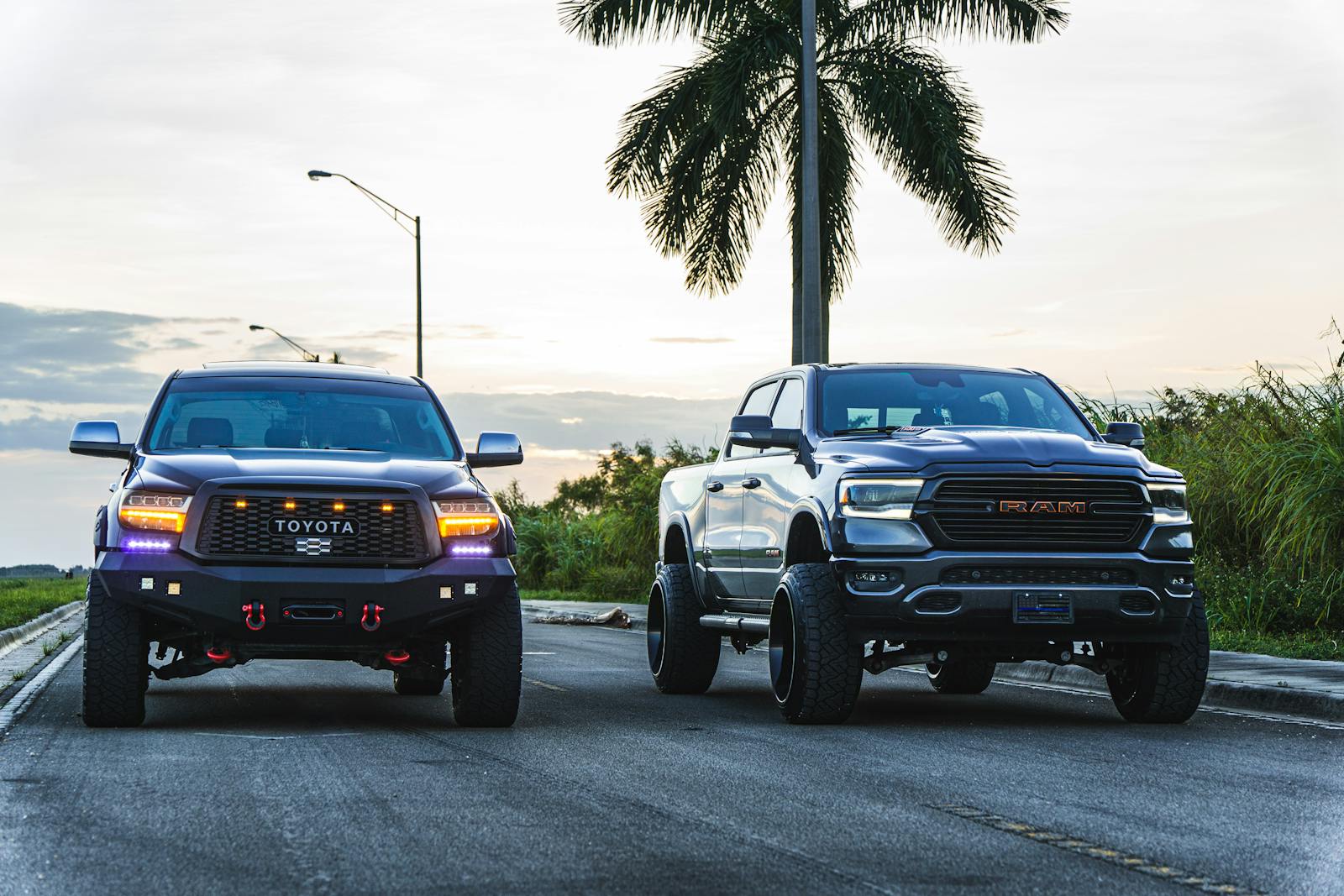

Pickup buyers are staring at window stickers and doing the math out loud, and the refrain is getting louder: who can actually afford these trucks anymore. Even as demand stays strong, the cost of a new pickup has climbed into territory that used to be reserved for luxury cars, leaving many working drivers feeling priced out of the very vehicles that built the segment’s reputation for blue-collar practicality.
Behind the frustration is a collision of trends, from record spending on full-size trucks to a market that increasingly rewards high-end trims over basic work models. The result is a truck landscape where shoppers are hunting harder for value, leaning on discounts, and eyeing smaller or used options just to stay in the game.
The sticker shock behind America’s truck obsession
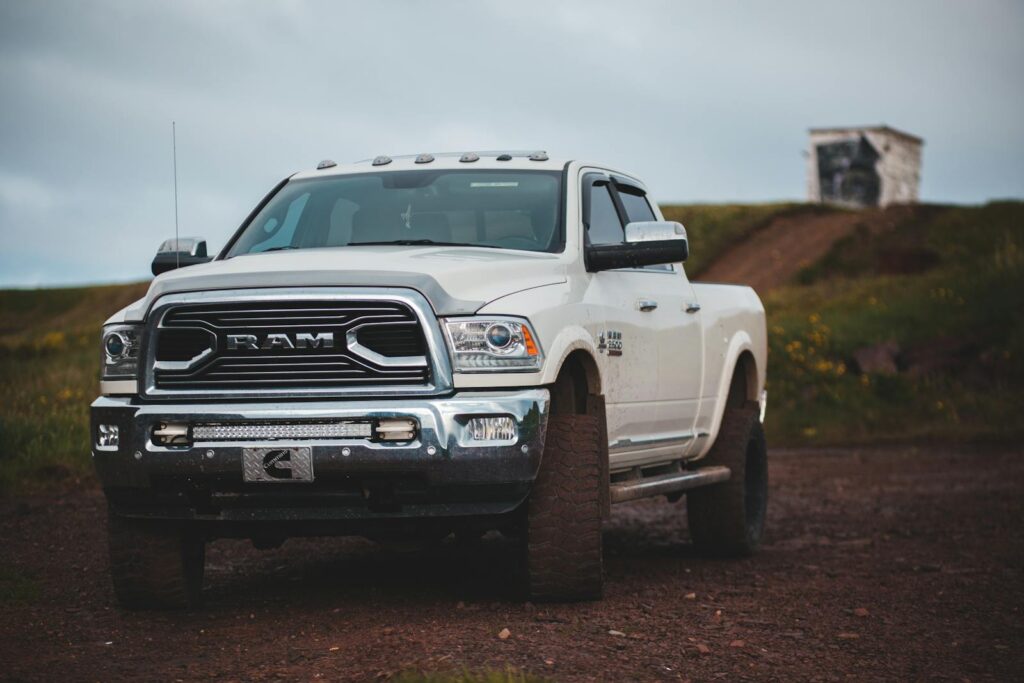
Pickup prices are not rising in a vacuum, they are rising in a market where overall new-vehicle costs have already hit historic highs. Industry data on the New landscape show that the average price paid for a new vehicle recently reached $50,326, an all-time high that reflects how far mainstream models have drifted from their budget roots. Even the typical manufacturer sticker has crept up, with the average MSRP rising 1.2%, a seemingly modest bump that still lands on top of several years of steady increases.
Trucks sit at the sharp end of that trend, because they dominate the high-dollar side of the market. Americans are now spending about $15 billion on pickups in a single month, a surge that helped push the national Truck transaction average to that $50,326 mark. When so much of the country’s auto spending is concentrated in one category, it magnifies every price move, and it explains why a segment once defined by bare-bones work rigs now feels like a luxury showroom to many buyers.
How pickups became luxury products with beds
The modern pickup is not just a tool, it is a rolling status symbol, and that shift has been deliberate. Analysts point out that one major reason truck prices have soared is the way automakers have loaded them with high-margin features, turning them into leather-lined family haulers that can rival premium SUVs. Over roughly two decades, the share of the market devoted to these upscale configurations has grown dramatically, and the industry’s redesign around this model has helped push America toward ever more expensive pickups.
That transformation shows up in the extremes: some newer models now crest $100,000, a figure that would have sounded absurd for a mainstream truck not long ago. The fact that a Pickup can legitimately cross the $100,000 threshold underscores how thoroughly the segment has embraced luxury pricing. For buyers who still see a truck as a way to tow a trailer, haul lumber, or get to a jobsite, that evolution can feel less like progress and more like a lockout.
Drivers push back as discounts and “crash” talk spread
As prices climb, shoppers are getting more vocal, and some corners of the market are already talking about a correction. In one widely shared video, a host walks through the current landscape and bluntly labels it a truck market “crash,” warning that the 2026 reset will hit hardest for buyers who stretched on high-priced models. The same commentary riffs on the culture clash inside the segment, joking that if someone “dabbled with wearing women’s. underwear. you might just like the F-150 Lig,” a jab that still hinges on the enduring pull of the F-150 nameplate and the way even a reference to Lig can spark debate among loyalists.
On dealer lots, the pushback is more practical than rhetorical. Sales staff like Jason at Lewis Ford talk directly to viewers about how big a discount they should expect on a new truck, walking through incentives and negotiation tactics that would have seemed aggressive in a tighter market. The very fact that shoppers are being coached to chase thousands off the sticker suggests that the pricing peak may be colliding with buyer fatigue, even if the official averages still show the market near its highest point.
The monthly payment squeeze and why “just inflation” is not the answer
For most households, the pain is not in the abstract price, it is in the monthly payment that follows them home. With the average new-vehicle transaction now anchored around $50,326, even modest interest rates and longer loan terms can push a truck payment into territory that competes with rent or a mortgage. That is why so many buyers are looking at the numbers and echoing the same line: who can afford this, especially when wages have not kept pace with vehicle inflation.
Industry voices are quick to stress that this is not simply a story of general price levels drifting higher. Analysts in one detailed breakdown argue that trucks are so expensive because the entire auto industry redesigned itself around bigger, more profitable vehicles, rather than just passing along higher costs. A widely viewed explainer on why trucks are so expensive now notes that it is “not just inflation,” but a structural shift in how automakers build and market their lineups, a point that is underscored in a Oct discussion of how the industry has reoriented around high-margin trucks and SUVs.
Where value hunters are turning: smaller, cheaper, and used
Faced with six-figure luxury trucks and five-figure payments, many buyers are looking for ways to stay in a pickup without blowing up their budgets. One path is to downsize, both literally and financially, into compact models that still offer a bed and usable towing capacity. Lists of the Cheapest New Trucks highlight options like the 2026 Ford Maverick, which starts at $28,840 and is described as “Capable and” affordable, a reminder that not every truck on the lot is chasing the $100,000 crowd.
Others are skipping new altogether and hunting for lightly used small pickups that can deliver most of the utility at a more approachable price. Guides to budget-friendly trucks point shoppers toward models like the Ford Maverick, with detailed breakdowns of How much a used example costs and why The Ford Maverick has become a standout in the small pickup truck segment. For buyers who still need a bed but cannot stomach a luxury-truck payment, these smaller and used options are becoming the practical answer to a market that has drifted far from its work-truck roots.
More from Wilder Media Group: