
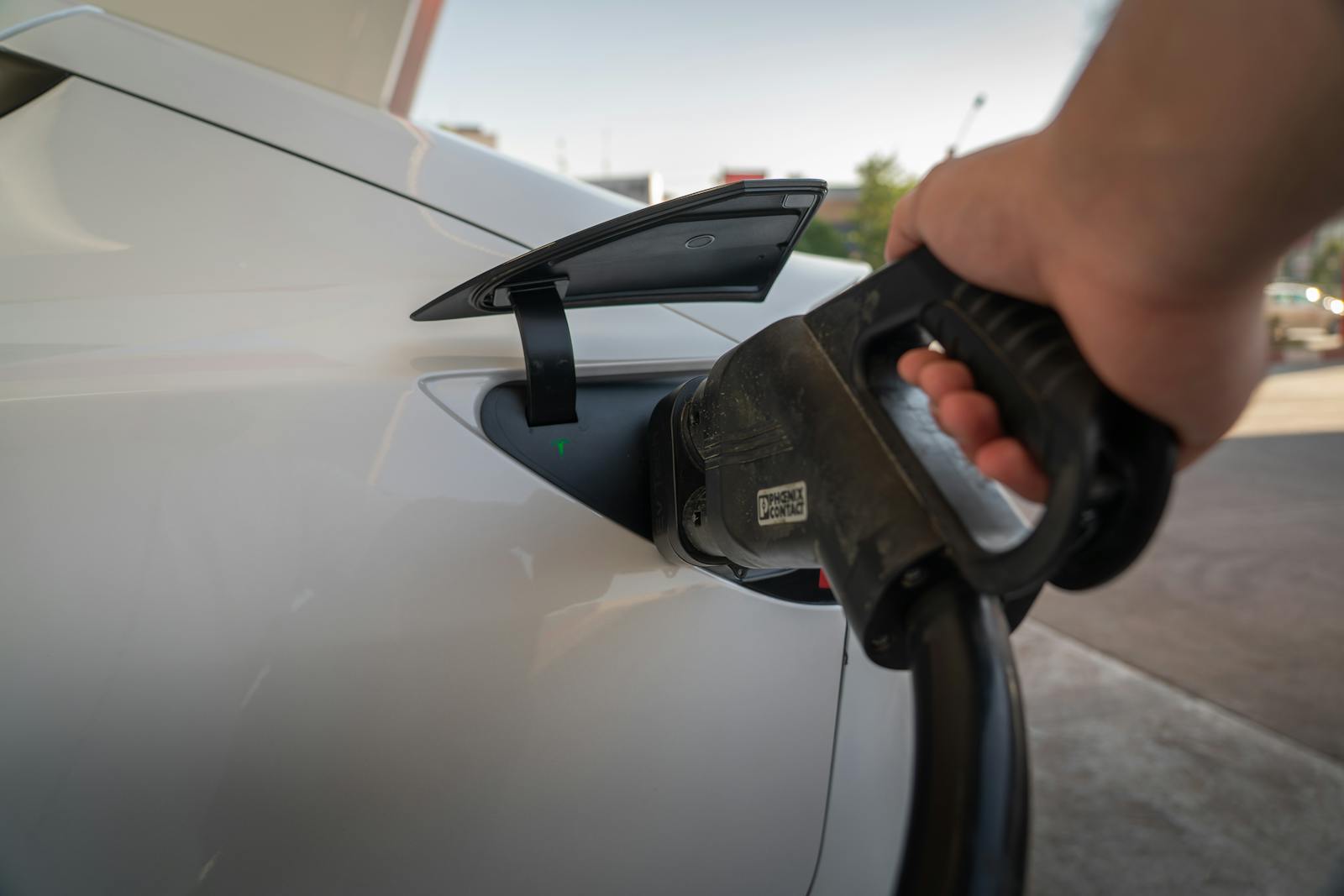

Electric cars were supposed to be a one‑way door into the future, but a surprising number of early adopters are quietly reaching for the old gas pump again. Surveys now show a sizable slice of EV owners either planning to return to combustion engines or seriously thinking about it, as real‑world costs and daily hassles pile up. The shift does not kill the electric dream, but it does expose how far reality still lags behind the sales pitch.
From charging headaches to resale worries, the reasons stack up fast once the honeymoon ends. What looked like a clean, high‑tech upgrade on paper can feel like a lifestyle overhaul in practice, and not everyone wants their commute to become a project. The result is a growing backlash from people who know EVs best, because they already bought in.
The surprising scale of EV buyer’s remorse
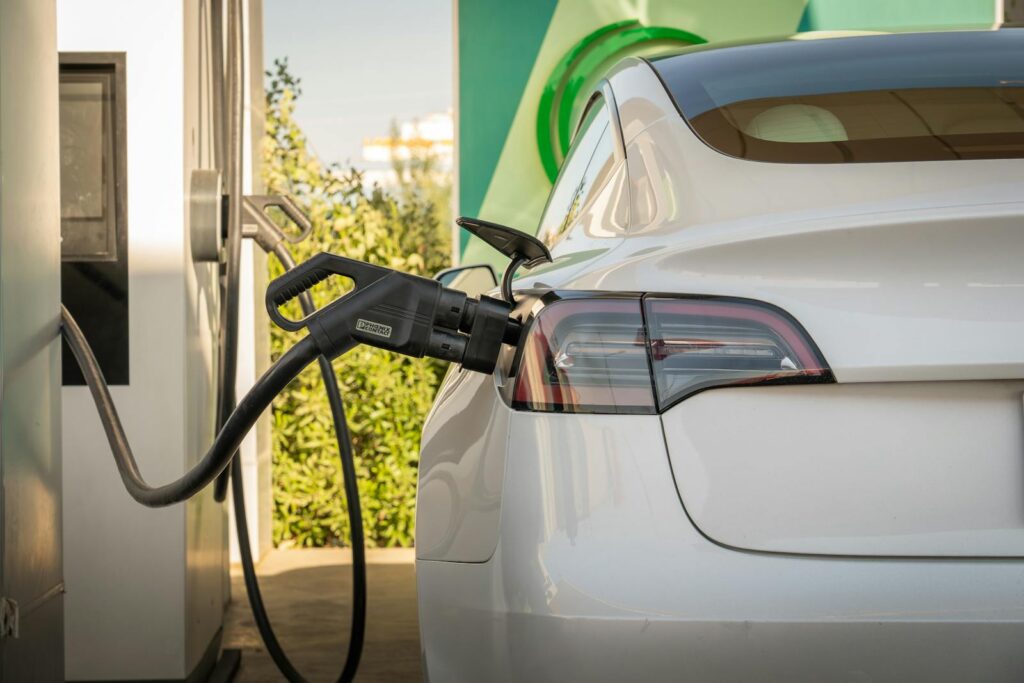
The most striking part of this trend is its size. One widely cited consulting Study found that Nearly Half of US EV Drivers Consider Switching Back to Gas Vehicles, largely because Costs and overall ownership were judged “too high.” Another survey of American owners reported that 46% of U.S. electric car owners want to switch back to gas-powered models at some point, a result that even the consulting firm behind it admitted they “didn’t expect,” since the assumption was that once people went electric, they would stay there for good 46%. That is not a fringe of cranks, it is almost half the customer base raising a hand.
The pattern is not just American. Globally, Many early-adopting EV owners around the world want to gas up again, with Nearly 30% of electric vehicle owners saying they are likely to go back to combustion for their next purchase, often citing charging access and cost as the deal breakers Nearly 30%. Earlier academic work pointed in the same direction: co-authors Scott Hardman and Gil Tal reported in the journal Nature Energy that nearly 20 percent of electric car owners in their sample had already gone back to gas, and Here they laid out how charging access, range and lifestyle fit pushed people over the edge Scott Hardman and. Put together, the numbers show a clear story: buyer’s remorse is no longer a rounding error in the EV market.
Charging: the daily headache that never made it into the ads
On paper, plugging in at home sounds like a dream compared with gas station runs. In practice, the charging ecosystem is still patchy enough that it can feel like a part‑time job. One survey of owners found that EV charging is so bleak that some drivers are considering going back to gas-powered cars, with the research methods built around a broad consumer survey. Drivers complain about broken fast chargers, long queues on holiday weekends and apps that feel more like beta software than critical infrastructure.
Even among fans, the limits are obvious. In one widely shared discussion, an EV supporter wrote that they are an EV fan and Prefer EVTOL in the long term, but after looking at all the fees and time involved in public charging, their gut reaction was simply “Nah,” especially when they had to drive far enough north to make range and charger spacing a real worry Prefer EVTOL. That kind of lived experience, repeated thousands of times over, is exactly what pushes some owners back toward a simple gas nozzle.
Range anxiety and long-distance reality checks
Range anxiety was supposed to fade as batteries improved, but it is still front and center for many drivers. In one major poll of U.S. buyers, Long-distance practicality was another key issue, with 57% saying EVs do not suit extended travel, and 56% pointing to the lack of charging infrastructure as a major barrier to adoption 57%, 56%. Those are people looking at road trips, kids’ tournaments and long work drives, and deciding they do not want to plan their lives around charger maps.
Cold weather and geography make that gap feel even wider. Americans also blame range anxiety, cost, cold weather performance and home charging challenges for their reluctance to buy an EV, especially in regions where winter can knock a big chunk off real‑world range and where distances between towns are measured in hours, not minutes Americans. For those drivers, a gas tank that can be filled in five minutes at almost any exit still feels like the safer bet, no matter how slick the EV marketing looks.
Home charging privilege and the Tesla owner backlash
One of the quiet divides in the EV world is between people who can charge at home and those who cannot. A Tesla owner summed it up bluntly in a discussion about switching back to gasoline, saying that “If you don’t have guaranteed home charging, one of the largest benefits of EV is gone,” and pointing out that a workplace plug is not always a reliable backup when policies or parking change guaranteed home charging. For apartment dwellers, renters or people with street parking, that reality turns every charge into a small logistical puzzle.
Even some of the most enthusiastic early adopters are burning out on that grind. One self‑described longtime Tesla owner admitted they “feel like I’m about to commit automotive heresy here,” but said they are tired of making car ownership feel like a second job, juggling apps, trip planning and charger etiquette instead of just driving, and they now look at gas models again while also checking how insurers price coverage before signing paperwork automotive heresy. When the people who once lined up for software updates start eyeing a simple fuel gauge again, it signals a deeper fatigue with the day‑to‑day compromises that still come with going electric.
Costs that keep creeping higher instead of lower
EVs were sold as cheaper to run, but many owners are discovering that the math is more complicated. The consulting work behind Nearly Half of US EV Drivers Consider Switching Back to Gas Vehicles highlighted that Costs and overall ownership were “too high,” from higher sticker prices to insurance and repair bills that can spike when specialized parts or battery diagnostics are involved Costs and. For drivers who do not have cheap overnight electricity or who rely on pricey DC fast chargers, the fuel savings can shrink fast.
On the industry side, At issue is the high cost of production, including batteries, which remain one of the largest costs of electric vehicle manufacture, and that expense still flows through to monthly payments even as some brands discount aggressively to move inventory high cost of. There is also disillusionment among owners who discover that going electric is somewhat of a lifestyle change, not just a different fuel, and that hidden costs in time and convenience matter just as much as the line items on a spreadsheet.
Public sentiment is tilting back toward gas and hybrids
Zoom out from individual stories and the mood shift shows up clearly in the data. One major U.S. auto club found that support for EVs has fallen to a six‑year low, with Long-distance practicality and infrastructure worries ranking alongside concerns about higher purchase costs compared with traditional vehicles, and support for federal and state incentives slipping as well support for EVs. Another study on Where EVs stand in 2026 from CDK Global reported a massive shift in sentiment among gas-powered vehicle drivers, with many cooling on the idea of going electric any time soon as they watch early adopters struggle with charging and resale Where.
At the same time, U.S. drivers continue to favour gasoline-powered vehicles as concerns about EVs harden around both cost and inconvenience, a trend highlighted in reporting from Toronto, Ontario by Gideon Scanlon that tracks how internal combustion remains the default choice for most shoppers despite years of hype around electrification Gideon Scanlon. A separate CDK survey of buyers found rising frustration that is nudging people back toward gas and hybrid vehicles as practicality and affordability take priority worldwide, a shift that lines up with Stellantis pulling the plug on some hybrids as it rethinks its own mix of powertrains in response to December Global consumer signals CDK.
Used EVs, market whiplash and the gas “comeback” narrative
Even the used market is adding pressure. Analysts looking at The Future of Electric Vehicles flagged 6.2 The Used Market Glut The as a key risk, warning that the year 2026 faces a unique market dynamic with a massive influx of off-lease EVs, Vehicles that were leased during the first big wave of incentives and are now coming back all at once, which could hammer resale values and make some owners feel trapped in a depreciating asset they would rather swap for a stable gas car Used Market Glut. If a driver already feels burned by charging hassles, watching their car’s value slide faster than expected is one more nudge toward a familiar internal combustion trade‑in.
That feeds into a louder cultural story about gas cars making a comeback. One widely viewed breakdown of Why Gas Cars Are Making a COMEBACK in 2026 argues that there are vastly amounts of more people who just want to continue driving reliable internal combustion vehicles, and walks through how mainstream buyers still prioritize simplicity and predictability over cutting‑edge tech when it comes to their daily transportation Jan. At the same time, December BEV registrations jumped by 157.7% year over year as consumers pulled purchases forward to avoid a January 2026 tax change that lowered incentives, a spike that shows how sensitive EV demand remains to policy tweaks and how quickly the market can whipsaw between boom and slowdown December BEV. For owners watching that volatility, a conventional gas sedan can look like the calmer financial choice.
Policy pushes, fleet plans and a public that is not quite there
None of this is happening in a vacuum. Governments are still leaning hard on mandates and incentives, with Zero-Emission Vehicle and Efficiency Standards Other updates lowering the eligibility timeline for tax credits for new and used EVs in an effort to speed up adoption across the country and keep climate targets in play even as consumer enthusiasm cools Zero. Corporate fleets are also under pressure to electrify, and reports Examining the Trends Poised to Influence Fleet Electrification in 2026 note that For the last several years, electric vehicles have gained momentum with both consumers and fleet operators, even as those same operators quietly worry about charging uptime and residual values when they cycle vehicles out of service Examining the Trends.
Yet the gap between policy ambition and driveway reality is exactly where this wave of switching back to gas is forming. Many early-adopting EV owners around the world want to gas up again, and Nearly 30% of electric vehicle owners globally are likely to return to combustion, a figure that should worry planners who assumed early adopters would become permanent ambassadors rather than cautionary tales Many. A separate CDK survey reveals rising frustration among vehicle buyers in December Global markets, with shoppers shifting back to gas and hybrid vehicles as practicality and affordability take priority worldwide, a reminder that mandates alone cannot override daily experience at the plug or the pump December Global.
What keeps some EV owners loyal while others bail
It is worth noting that not every EV driver is eyeing a return to gas. One study of owner satisfaction found that only 1 in 10 EV buyers would go back, and when Asked about the drawbacks of EV ownership, most pointed to a limited public supply of the fastest type of charger and the time it can take to charge, but still felt the benefits outweighed the hassles in their own situations, especially when they had reliable home charging and predictable daily routes Asked. That contrast with the 46% figure from other research suggests that experience is highly segmented: EVs work brilliantly for some lifestyles and poorly for others.
Where the EV story goes next
More from Wilder Media Group: