
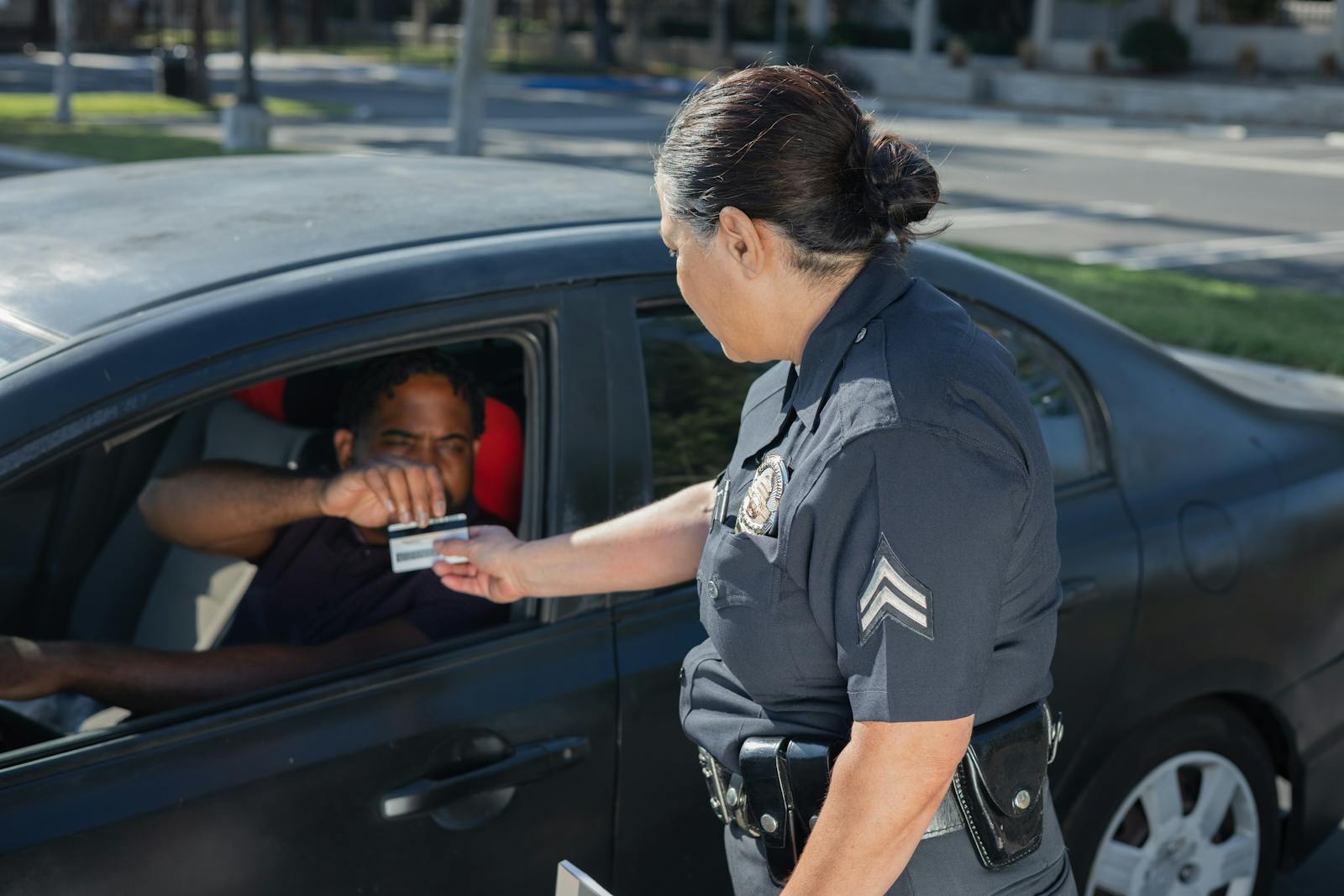

They could charge you an extra fee to use a digital driver’s license when the bill becomes law. Under the proposed Alabama measure, drivers would pay a $15 surcharge to obtain a digital ID option that can be shown during traffic stops and other official checks.
This change matters if someone prefers carrying a phone instead of a physical license or wants the convenience of showing only limited details, like age. The article will explain how the surcharge works, who it affects, and how this fits into the wider shift toward digital IDs and federal identity rules.
Understanding the Proposed Digital ID Surcharge for Drivers
The proposal would let drivers opt into a digital driver’s license for an added fee when they first get or renew a physical license. It raises clear trade-offs between convenience, recurring costs, and controls around how identity data is stored and accessed.
What the New Surcharge Means for Drivers
The bill under discussion, often referenced as House Bill 110, would let drivers purchase a digital ID option in addition to—or instead of—their physical license at renewal or issuance. Drivers who choose the digital driver’s license would pay a one-time $15 surcharge tied to that transaction, not a standing monthly fee.
That surcharge effectively shifts the cost of implementing and maintaining the state’s digital identity system onto individuals who opt in. For drivers who rarely use mobile IDs, it may feel like an avoidable expense. For frequent users—commuters, travelers who use digital IDs at TSA checkpoints, or people who prefer walletless options—the fee covers convenience and quicker verification.
The provision also clarifies that presenting a digital driver’s license during a traffic stop does not automatically permit law enforcement to search the rest of the device. The law would require the Alabama Law Enforcement Agency (ALEA) to apply reasonable security standards to protect the digital license and licensee privacy, which affects how the surcharge funds may be used.
How Digital Driver’s Licenses Work
A digital driver’s license (MDL or mobile driver’s license) is an encrypted credential stored on a smartphone app or secure element of the device. When a driver needs to show ID, the app can display specific attributes—like name, photo, or age—without exposing full identity details, enabling selective disclosure for age checks or traffic stops.
Verification typically uses cryptographic signatures tied to the issuing agency, which prevents simple forgery. Some implementations allow offline verification via QR codes, while others rely on network checks to confirm revocation or status. Integration with existing DMV systems determines whether the digital ID updates automatically after suspension, renewal, or address change.
Adoption varies by state and depends on standards and vendor choices. Drivers should confirm device compatibility, backup options, and whether the digital ID can serve as a primary form of identification for law enforcement and federal checkpoints before paying any surcharge.
Security, Privacy, and Identity Theft Concerns
Digital IDs centralize identity attributes, which raises privacy and identity theft risks if the system lacks robust safeguards. The proposed bill mandates reasonable security standards, but the specifics—encryption methods, key management, and breach response—are critical to preventing unauthorized access or cloning of digital identification.
Privacy advocates warn about metadata and tracking: even if an app shows only an attribute (like age), transaction logs could reveal where and when a person presented their ID unless the system minimizes or anonymizes records. Strong technical controls—end-to-end encryption, hardware-backed key storage, minimal data retention, and user consent for sharing—reduce those risks.
Users should watch for how revocation and recovery work after device loss. Identity theft risks increase if lost devices or compromised backups allow attackers to present a valid digital driver’s license. The state’s implementation choices and vendor contracts determine real-world protections, making those documents important reading before widespread adoption.
Broader Impact of Digital IDs and Identity Verification in the US
Digital IDs change how people prove identity for travel, transactions, and government services. They interact with federal rules, TSA practices, and private-sector digital wallets, affecting convenience, privacy, and cost for drivers and travelers.
The Push for REAL ID Compliance and Federal Regulations
Real ID sets baseline security standards for state-issued IDs used for federal purposes. The Department of Homeland Security enforces the REAL ID requirement for boarding commercial aircraft and entering certain federal facilities, so states must meet document-verification, issuance, and anti-fraud processes to gain full acceptance.
Federal pressure and deadlines have driven states to adopt digital driver’s licenses that comply with REAL ID technical and security specs. Agencies that issue grants now consider funding mDL programs that protect privacy and prevent tracking, while maintaining interoperability with existing DMV systems. Compliance also affects which IDs—physical or mobile—count as an acceptable form of identification at checkpoints and other federal settings.
Alternative Identity Verification Programs at TSA Checkpoints
The TSA runs alternative programs at some checkpoints to accept state-issued mDLs and other electronic credentials. These pilots test ISO/IEC 18013-5 standards and biometric or cryptographic verification methods to confirm identity without exposing unnecessary personal data.
Airports and security lines may accept digital wallets only when the issuing state has met TSA or DHS requirements. Participation varies by airport and state, so travelers should check acceptance before relying solely on a phone-based ID. These programs aim to reduce document handling and speed processing, but they depend on vendor implementations, state rules, and TSA waivers.
Accepted Forms of Identification and Digital Wallets
Accepted forms of identification for federal purposes still include passports, REAL ID-compliant cards, and other federally approved credentials. Enhanced IDs remain a separate category tied to specific border-crossing privileges and require federal approval to substitute for a passport in some cases.
Digital wallets now host many mDLs and state IDs, but not all digital IDs are accepted everywhere. Users must confirm whether a digital wallet credential is REAL ID-compliant and recognized by the agency or business they’re dealing with. Lawmakers and DMVs often require that holders retain a physical ID even when issuing a digital version, and some proposed laws include verification fees or surcharges tied to digital issuance or use. For travel and official federal purposes, passengers should carry either a federally accepted physical credential or an approved digital credential from a state that meets TSA and DHS standards.
More from Steel Horse Rides: