
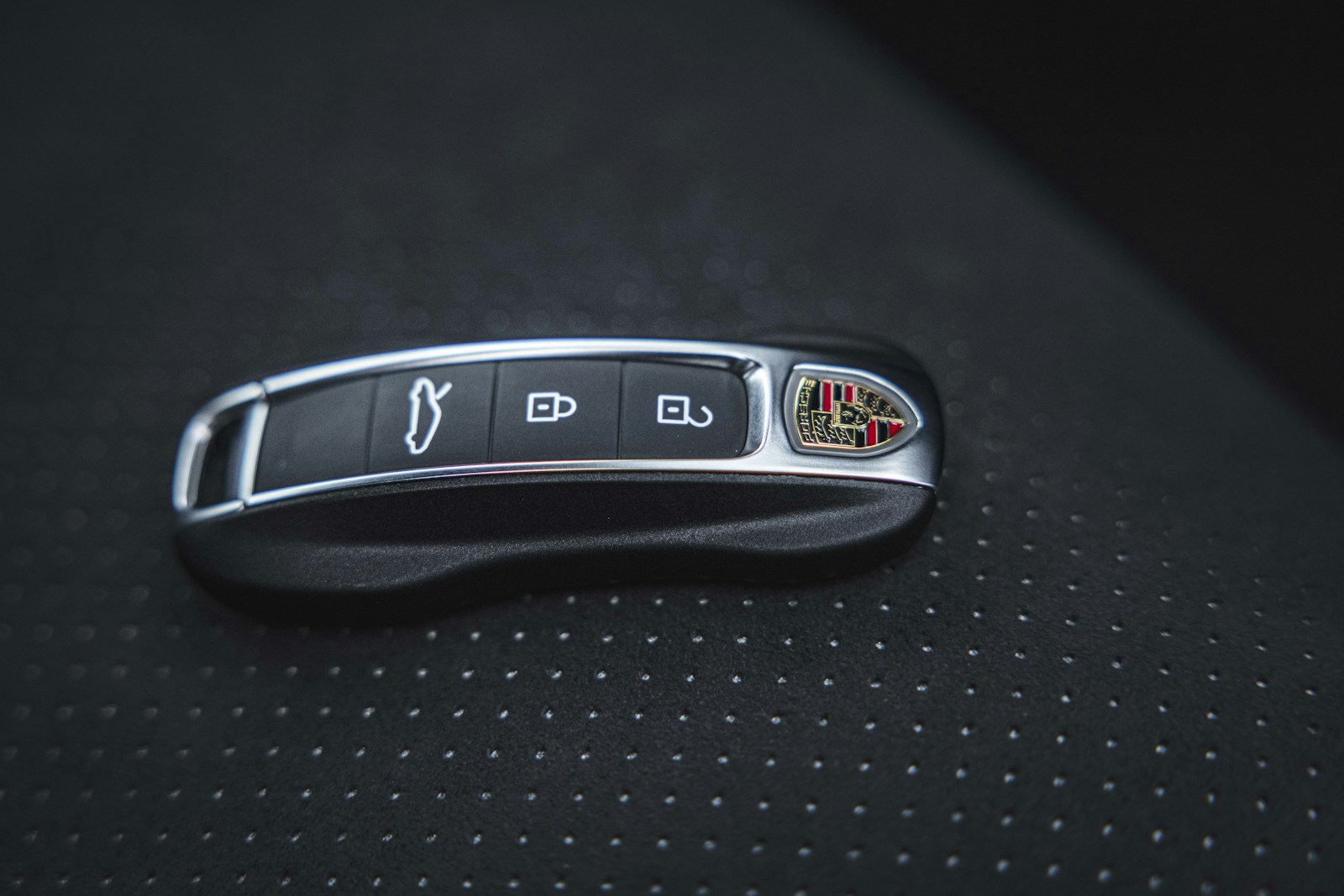

You find more in your key fob than a lock and unlock button. Many modern fobs hide useful tricks—like rolling down all windows remotely, popping the trunk hands-free, or triggering an emergency alarm—that save time and boost safety when you need them most. One hidden button or long-press sequence can turn a simple fob into a tool for convenience, security, and quick emergency action.
They didn’t advertise all of these features in the manual, so chances are you haven’t tried them yet. Keep going to learn the exact tricks to look for, how to activate them, and when they can protect you or make daily life easier.
Unlocking Hidden Key Fob Functions for Convenience and Safety
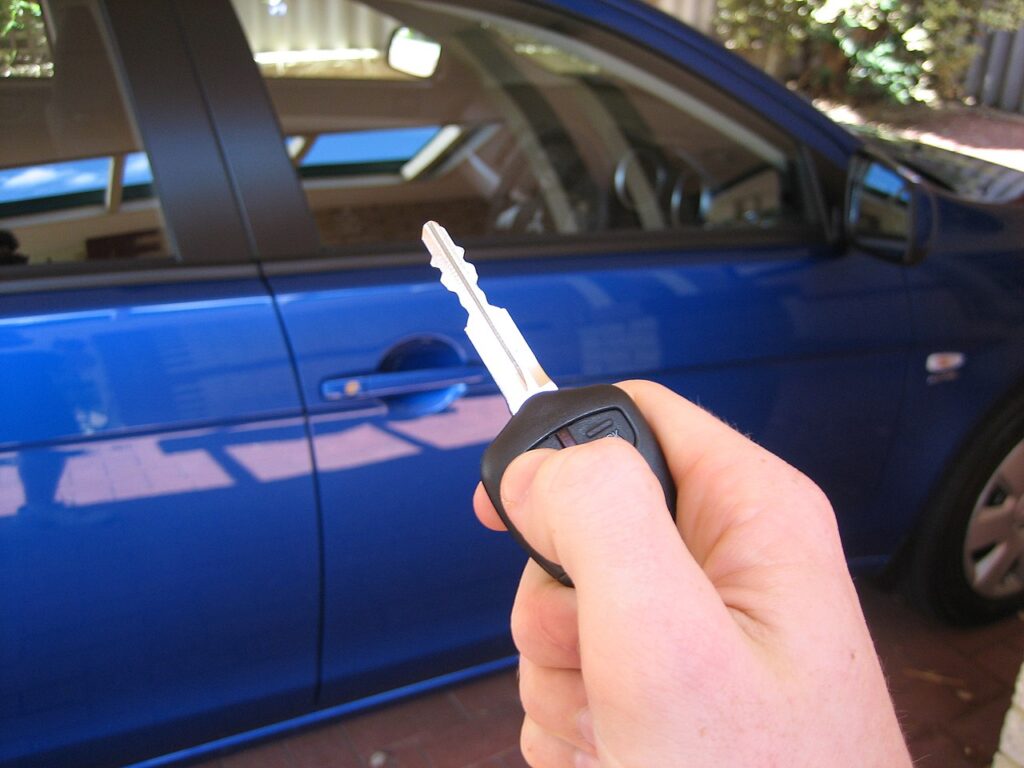
Modern key fobs pack several practical tricks that save time and reduce hassle. Drivers can remotely manage cabin temperature, vent the interior, move mirrors, open the trunk, or even call the car to them — all from a pocket-sized remote.
Remote Engine Start and Climate Control
Remote engine start lets drivers start the engine and run climate systems before reaching the car. By pressing a dedicated remote start button or holding the lock/unlock sequence, the vehicle can warm the cabin, run the heater to defrost windows, or cool the interior via the A/C. This is particularly useful in extreme weather and can be scheduled with some manufacturer apps or enabled by dealer programming.
Using remote engine start typically keeps the car locked for security while the HVAC runs. Many systems integrate with the key fob’s panic or locator features so owners can confirm the vehicle’s status. Owners should check owner manuals for range limits, any required double-press routines, and local idling laws.
Rolling Down Windows and Sunroof ’99
Some fobs let drivers vent the cabin by holding the unlock button or using a multi-press sequence to roll down windows and open the sunroof. This trick expels trapped hot air quickly on hot days and helps clear moisture in wet conditions. The function varies: some vehicles lower all windows; others only crack them slightly to reduce noise and security risk.
Manufacturers rarely print these steps in bold, so owners often discover them by accident. It helps to test the procedure in a safe space and note whether the feature requires the car to be unlocked first or only works when the fob is within a set range. For exact sequences, consult the vehicle guide or a dealer.
Summon and Remote Parking Features
Summon and remote parking enable a car to move short distances under remote control from the fob or mobile app. Users can steer the vehicle into tight garage spots or bring it to the driveway from inside the house. These features use the car’s sensors and will stop automatically for obstacles, but supervision is required during operation.
Different brands implement summon in distinct ways: some require the driver to hold a button on the key fob; others let the car move autonomously via a smartphone digital key. Safety rules commonly restrict summon to low speeds and clear lines of sight. Owners should update vehicle software and learn the exact steps for activation, including any safeguard toggles in the infotainment settings.
Folding Mirrors and Trunk Access
Many key fobs include quick-access commands for folding side mirrors and releasing the trunk. A double-press of a trunk button or a long-press of the unlock key can open the hatch or pop the trunk, which eases loading with hands full. Mirror folding often triggers when locking the car with the key fob, protecting mirrors in tight parking spots.
Some models offer hands-free tailgate operation tied to the fob’s proximity or a kick sensor; others require the physical fob to be nearby to prevent accidental opening. Drivers should learn the specific key-fob features for their model to avoid unintended mirror movement or trunk release and to ensure compatibility with aftermarket accessories or valet modes.
Further details and model-specific sequences appear in owner manuals and manufacturer help pages; owners who want step-by-step instructions can check their vehicle’s documentation or the fob programming section at the dealership.
Essential Safety, Security, and Emergency Key Fob Tricks
These tips show how to use common fob features for safety, security, and emergency access. They explain how to trigger alarms, get into a car when electronics fail, limit access for others, and keep the fob working.
Panic Button and Car Locator Modes
The panic button typically sounds the horn and flashes lights to draw attention. Drivers should press and hold the labeled or recessed panic button for 2–3 seconds; on many remotes a quick press toggles the horn chirp while a longer press sustains it. This is useful to scare off a would-be thief or help bystanders find someone in distress.
Car locator mode usually triggers a brief horn chirp and light flash to help locate the vehicle in a crowded lot. Some fobs require pressing unlock twice or holding a specific hidden button sequence to activate locator mode. Owners should test these functions in a safe area so they know the exact press pattern and timing for their model.
Accessing the Hidden Mechanical Key
Most modern key fobs contain a hidden mechanical key for manual entry. To access it, press or slide the small release lever or button on the fob, then pull the metal key out from the housing. The mechanical key opens the driver door via a visible or concealed key slot; on some cars the slot sits behind a plastic cap or inside the handle recess.
Drivers should store the mechanical key separately from the fob when servicing batteries or handing the vehicle to others. Knowing the latch location and how the key engages the lock prevents being stranded when the fob or car battery dies. Practice removing and reinserting the key once to avoid fumbling in poor light.
Valet Mode and Disabling Keyless Entry
Valet mode limits access to trunk space, infotainment settings, and performance features. To enable it, owners usually follow a vehicle-specific sequence in the infotainment menu or press a designated combination on the fob or dash. Valet mode often requires a PIN, which prevents the valet or anyone else from changing settings or accessing secured cargo.
Disabling keyless entry can reduce theft risk from relay attacks. Manufacturers sometimes offer a mechanical-menu option or dealer setting to disable passive unlock, or the owner can place the fob in a Faraday pouch. Some cars let users turn off passive entry through the vehicle’s settings; others require visiting a dealer. They should weigh convenience against security needs before changing these settings.
Replacing Key Fob Battery and Troubleshooting
A weak fob battery causes intermittent remote locking, hidden-button failures, and inability to start. Most fobs use coin-cell batteries (CR2032 or CR2025). To replace it, pry open the fob at the seam using the small slot or lever, swap the battery with correct polarity, and reassemble. Avoid touching the battery surface with bare hands to preserve contact.
If the fob still fails, try reprogramming by following the owner’s manual sequence or replacing the battery again with a new brand. Check the mechanical key and latch to ensure the door will open manually. When remote locking, panic alarm, or car locator mode act unpredictably, inspect for stuck buttons or debris and clean the contacts; persistent problems usually require dealer diagnostics or a replacement fob.
More from Steel Horse Rides: