


You can be surprised to find that a feature once confined to luxury cars now quietly waits behind your windshield, ready to swipe away rain without a thought. They automatically detect moisture and adjust wiper speed, so you spend less time fiddling with controls and more time focused on the road.
He or she only needs to glance near the rearview mirror or check the infotainment settings to see if the car has this convenience, and many makers now include it in mid-level trims. The article will explain how the sensors work, why manufacturers added them to non-luxury models, and what to watch for when using or troubleshooting the system.
How Rain-Sensing Windshield Wipers Work
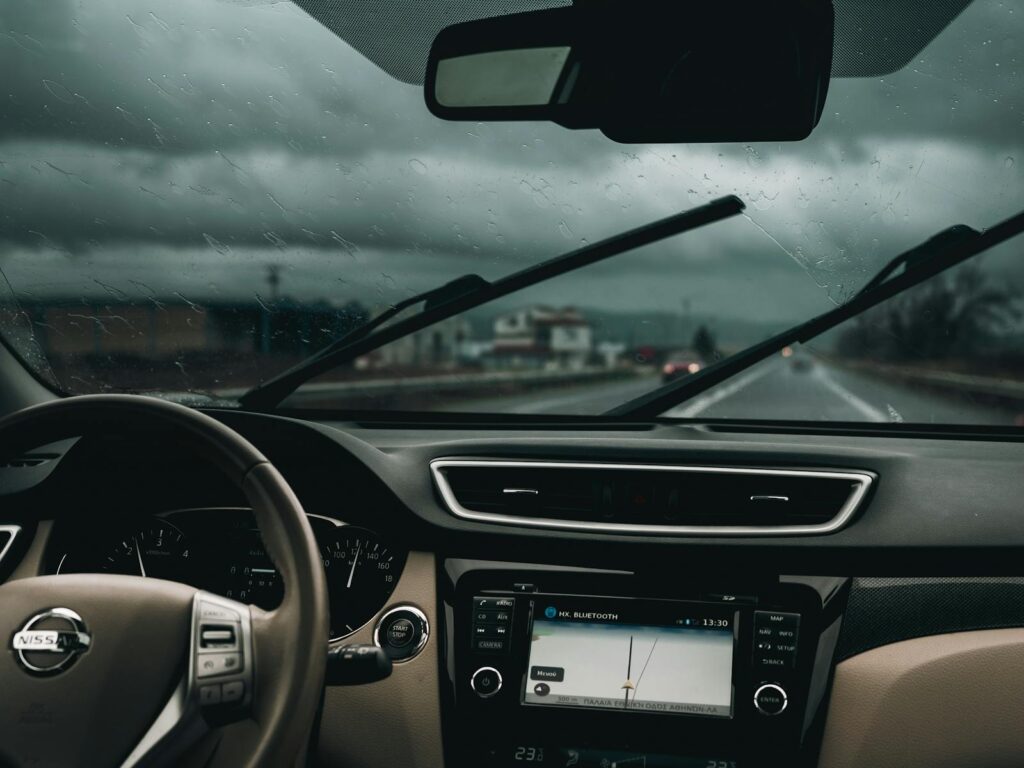
Rain-sensing wipers detect water, measure its intensity, and command the wiper system to start and vary speed automatically. They do this with small optical modules mounted near the rearview mirror that communicate with the wiper control or the vehicle’s body control module.
Rain Sensor Technology Explained
An optical rain sensor uses infrared LEDs and photodiodes to detect light reflections inside the windshield. When the windshield is dry, most IR light reflects back to the detector; raindrops scatter or refract the light, changing the detector’s reading. The sensor’s electronics convert that change into a signal proportional to the amount of water.
The sensor’s firmware applies algorithms to filter brief splashes and to distinguish steady rain from mist or road spray. That processing decides when to trigger the wipers and what intermittent delay or speed step to request. Many manufacturers call this approach a Rainsense or rain-sensing system.
Types of Sensors and Placement
Most modern cars use optical sensors mounted on a bracket behind the rearview mirror, glued to the windshield. Placement here gives an unobstructed view of the glass and keeps the module sheltered from direct airflow and debris. Some older systems used analog or capacitive sensors embedded in the wiper arms or lower windshield trim.
Aftermarket retrofit sensors exist but can vary in accuracy because alignment and adhesion to the glass affect optical path. Factory-installed modules often integrate temperature sensing or light-sensing elements to help distinguish freezing conditions and to avoid false triggers from headlights or splash debris.
Interaction with Wiper Control and Body Control Module
When the rain sensor sends a signal, the wiper control unit or the vehicle’s body control module (BCM) interprets it and activates the wiper motor. The module maps sensor intensity to discrete wiper speeds or variable intermittent intervals. In many vehicles the steering-column stalk still provides manual override and sensitivity adjustment.
The BCM also coordinates related systems: automatic headlights, washer pump logic, and automatic stop positions. If a fault appears, diagnostic trouble codes are logged and the system will often revert to manual control so the driver retains full wiper function.
Automatic Adjustment to Weather Conditions
The system adjusts wipe frequency based on measured droplet coverage and rate of change—more droplets or faster change equals faster wiping. Some systems adapt over time, learning typical intervals for light drizzle versus heavy rain to smooth responsiveness.
Temperature and ambient light sensors can modify behavior: in near-freezing temperatures the module may delay automatic wiping to avoid spreading ice, while bright glare detection can prevent false activations from streetlights. The result is an automatic wiper response tuned to rain intensity, windshield conditions, and safety priorities.
Find a practical overview of optical rain-sensing technology at this explanation of how rain sensor wipers work.
Rain-Sensing Wipers in Modern Vehicles: Benefits, Challenges, and Availability
Rain-sensing systems automate windshield wiper activation and adjust wipe frequency based on moisture, improving visibility and reducing driver workload. Manufacturers often link these systems with other vehicle electronics to coordinate responses to changing weather.
Safety and Comfort Benefits
Rain-sensing wipers detect water on the windshield using optical sensors and adjust wiper speed automatically, so drivers get clearer sightlines faster than manual adjustments. That immediate response reduces the time a driver’s eyes are off the road when fumbling with stalk controls.
These systems frequently integrate with automatic headlights and other vehicle electronics, so lights can come on when rain reduces visibility. That coordination improves detection by other road users during storms.
For drivers using ADAS features such as adaptive cruise control or lane departure warning, consistent windshield clearance helps the cameras and lidar perform reliably. In short, automatic wipers contribute directly to both comfort and the effectiveness of advanced driver assistance systems.
Adoption Beyond Luxury Models
What used to be a premium feature now appears on many mainstream cars and crossovers. Entry-level trims from several brands include rain-sensing wipers as part of optional packages or automatic-pack bundles.
OEMs cite economies of scale and shared sensor modules across systems to justify wider installation. Fleet and commuter-focused models increasingly include them because the feature improves user satisfaction with little added complexity. Buyers should check option lists closely; some manufacturers still reserve the feature for mid- or upper-level trims.
Third-party aftermarket modules exist, but integration with vehicle electronics varies and may disable related functions like automatic headlights if not fitted correctly. Buyers who want full factory integration should verify compatibility with their vehicle’s ADAS suite.
Maintenance, Reliability, and Real-World Performance
Optical rain sensors sit near the top center of the windshield and need a clear view; dirt, adhesive residue, or aftermarket tints can reduce accuracy. Regular windshield cleaning and correct placement of inspection stickers are simple maintenance steps that preserve function.
Performance can degrade in mixed conditions: heavy spray, melting snow, or sensor icing may confuse algorithms and cause too-fast, too-slow, or intermittent wipes. Drivers should keep manual control available and understand the stalk settings for override.
Electronic faults (wiring, software) are possible but uncommon; dealerships can recalibrate or replace sensor modules. The cost of repairs varies by make, and warranty coverage often includes sensor failures in early years.
More from Steel Horse Rides: