
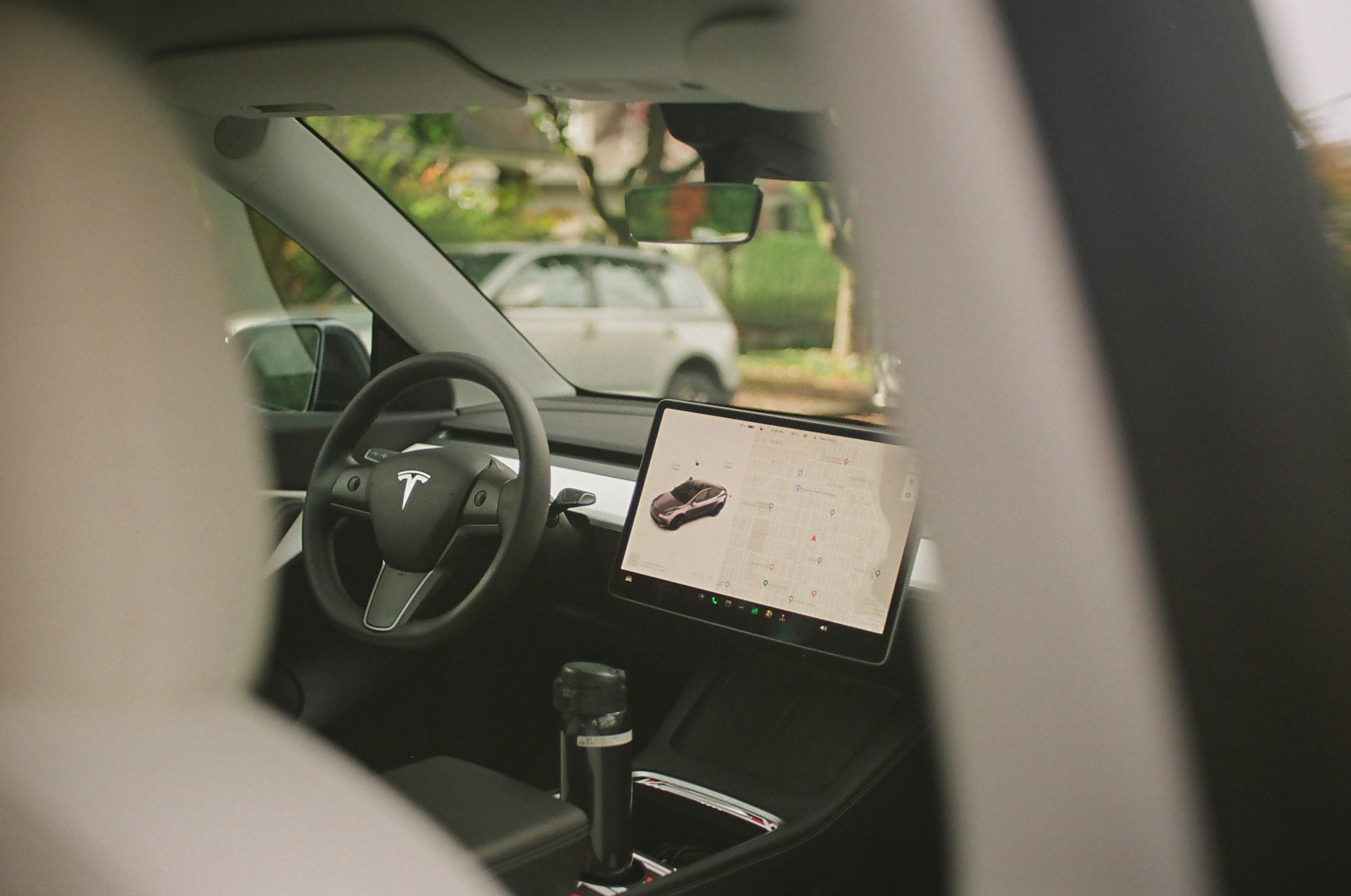

You might think modern car tech makes driving easier — but some of those conveniences can land you a ticket. Know which features police now enforce and how simple misunderstandings, like assuming automatic means automatic responsibility, can cost you fines.
This article will walk you through the specific systems that cause the most trouble and why officers are writing tickets for misuse or misinterpretation. You’ll learn practical, quick fixes so you can use your car’s tech without giving officers a reason to pull you over.
Commonly Misunderstood Car Tech Features That Can Get You Ticketed
Many drivers assume car tech will handle legal responsibilities for them, but misunderstanding how these systems work creates real traffic risks and fines. Know which features act only as aids, which require driver action, and which can alter your legal exposure when misused.
Intelligent Speed Assist and Speed Warning Systems
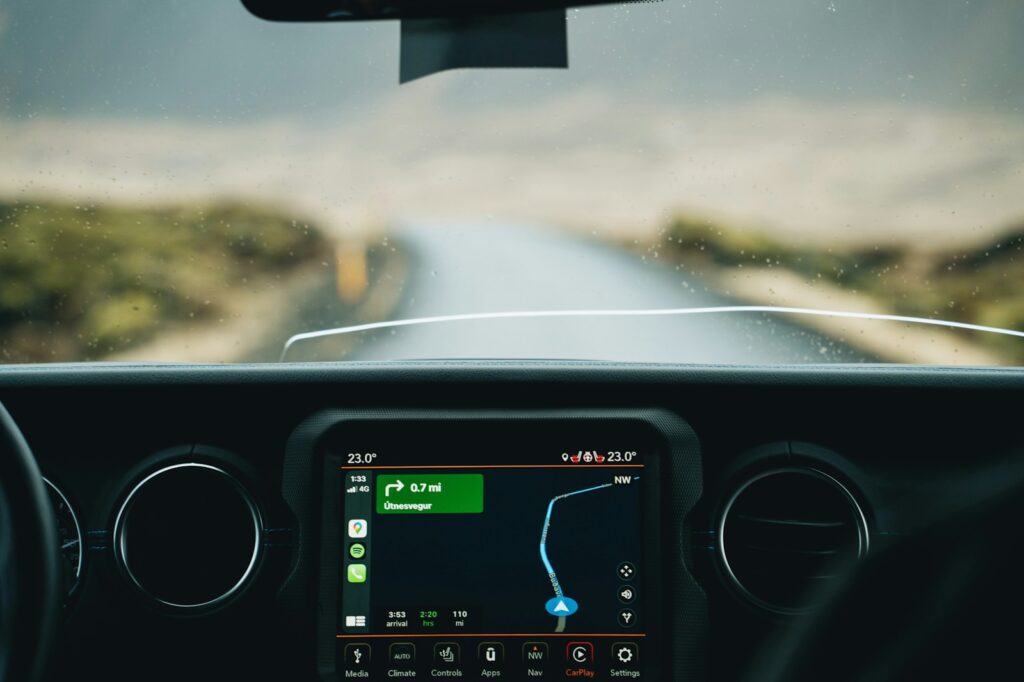
Intelligent Speed Assist (ISA) and speed warning systems use cameras, GPS maps, or both to detect speed limits and warn you when you exceed them. These systems typically display a visual cue or give an audible chime; they rarely override your throttle. That means you still control vehicle speed, and you can be ticketed if you ignore warnings or disable the system.
Police cite drivers who rely on ISA to “set and forget” instead of watching speed in school zones or work areas where limits change. Some cars let you set a soft limiter that nudges you back under the limit—know whether yours is soft (advisory) or hard (limits throttle) and check local laws about using limiters. Manufacturers and regulators vary widely, so review your owner’s manual and local traffic codes before depending on ISA for compliance.
Lane-Keeping Assist and Lane Departure Warning
Lane-keeping assist (LKA) actively steers small amounts to keep you centered in a lane; lane departure warning (LDW) only alerts you. Both systems depend on clear lane markings and proper sensor calibration. If you turn off steering assistance or the sensors can’t see faded lines, the system won’t keep you legal or safe.
You can be ticketed for improper lane changes, unsafe lane straddling, or failing to signal even if LKA nudges you; police expect you to maintain control. Use LDW as a reminder to check mirrors and signal. If LKA is engaging inappropriately—pushing at the last second—disengage it and drive manually. Keep sensors clean and recalibrate after wheel or suspension work to avoid system errors that could lead to citations.
Automatic Emergency Braking and Collision Warning
Automatic Emergency Braking (AEB) and collision warning systems detect imminent impacts and apply brakes or alert you. They work best for obvious, straight-line obstacles and at certain speeds; they struggle with small, fast-moving, or low-contrast objects. AEB can reduce a crash but will not absolve you of responsibility if you follow too closely or fail to react.
Police ticket drivers for tailgating and failing to brake when warned, even if the AEB could have engaged later. Don’t treat AEB as a substitute for maintaining a safe following distance. Learn your vehicle’s AEB operating envelope—manufacturer materials list conditions that limit performance—and avoid relying on automated braking in heavy rain, darkness, or on icy roads.
Blind Spot Monitoring and Blind Spot Intervention
Blind spot monitoring (BSM) alerts you to vehicles in adjacent lanes; blind spot intervention can nudge the steering to prevent a lane change. BSM uses radar or ultrasonic sensors that can miss narrow objects or be blinded by snow, dirt, or heavy traffic. Alerts are supplemental—you’re legally required to check mirrors and look over your shoulder.
Drivers still get tickets for unsafe lane changes when they trust BSM alone. If intervention activates unexpectedly, keep both hands on the wheel and retake manual control; many systems allow override. Regularly clean sensors, and don’t disable blind-spot features assuming they’re a legal defense. Treat them as your second set of eyes, not your only one.
Why Drivers Get It Wrong: Misconceptions, Annoyances, and Overreliance
You often misunderstand how modern car tech actually behaves, assume it replaces your judgment, or get annoyed enough to disable it. Those choices can change how you drive, how other road users respond, and whether you end up with a ticket.
Turning Off Safety Features and Its Consequences
You can usually turn off features like automatic emergency braking (AEB), lane-keeping assist, or blind-spot warnings, and many manufacturers make that option easy to find in menus. Turning them off may reduce nuisance alerts, but it also removes automated backups that intervene in seconds when you don’t notice a hazard.
Disabling ADAS functions increases reliance on your unaided skills under the false belief you’re safer without “annoying” beeps. That raises your risk of a collision from human error — especially in low-visibility or high-traffic situations where AEB and lane aids routinely prevent impacts. Police are now ticketing behaviors these systems were designed to deter, like unsafe lane changes or failure to yield, because driver choices, not just system limits, cause harm.
If alerts distract you, change settings rather than fully disabling features. Learn the exact menu steps in your model and check manufacturer guidance to avoid unwittingly turning off multiple layers of protection.
Overestimating Driver Assistance Capabilities
You might treat adaptive cruise control or “autopilot” labels as autonomous driving even when they require constant supervision. ADAS varies widely between manufacturers; some systems steer lightly and need immediate takeover, while others merely assist speed and spacing.
Believing driver assistance systems drive for you leads to dangerous complacency. The National Highway Traffic Safety Administration (NHTSA) emphasizes that these are driver-assist features, not replacements for human control. When you overtrust the tech, reaction times lengthen because your brain stops predicting road events the way it does during full manual driving.
Read your vehicle’s manual and watch official demos from the car manufacturer to know limits. Treat ADAS like a defensive-driving aid: it helps, but you must monitor, keep hands on the wheel, and be ready to act.
Distraction, Complacency, and Reduced Reaction Times
Modern cabins pack screens, phone integrations, and ADAS status displays that compete for your attention. Glancing at visual alerts or toggling settings draws cognitive resources away from scanning the road, increasing distraction risk even while safety systems run.
Complacency builds when you rely on driver assistance technologies to fix every error. That mental slack reduces situational awareness, so when the system alerts you to take over, you may be slow or unsure what to do. Studies and traffic-safety reporting show this gap between perceived safety and actual behavior contributes to enforcement actions and accidents.
To counter this, practice active scanning and limit secondary tasks. Use short, intentional glances for system info and maintain a following distance that compensates for potential delayed human intervention.
More from Steel Horse Rides: