
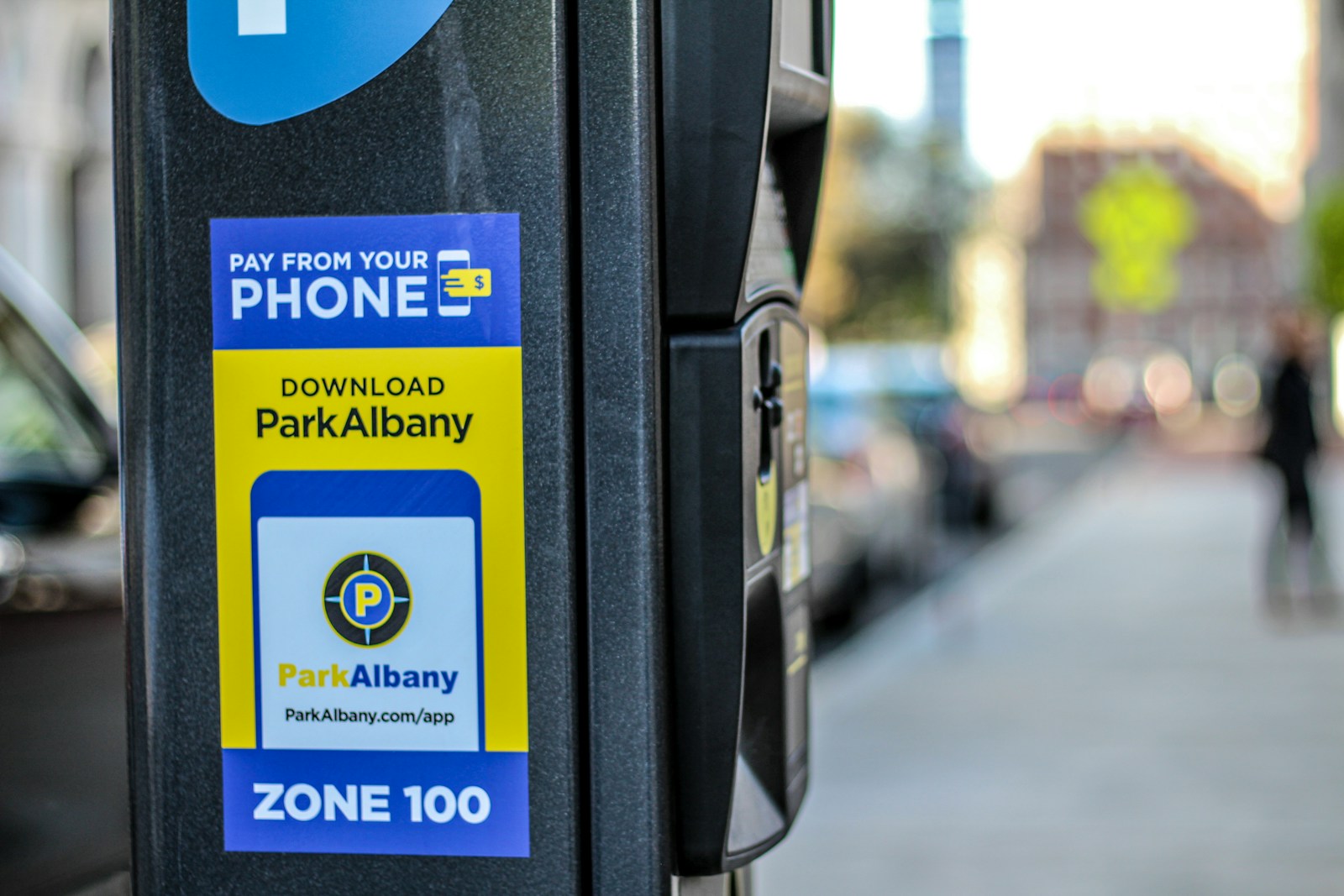

You expect paying through an app to save time, not trigger a ticket. When technical glitches, wrong zone selections, or mismatched pay-by-space systems intervene, people still get fined after they paid. Keep your digital receipt and photos—those simple actions give the strongest chance of overturning an unfair ticket.
They want to know why this keeps happening and what to do next. The article will explain common app errors, the pay-by-space rules that catch drivers out, and practical steps to contest a fine or avoid one in future.

Why Are Drivers Getting Fined After Using Parking Apps?
Drivers report being charged fines despite paying through apps because technical failures, poor UI design, hidden charges, and mistaken location details all interrupt the payment-to-enforcement chain. These problems affect payment validation, bay identification, and customer understanding.
How Glitches and Payment Errors Lead to Unfair Fines
App or network glitches can interrupt a payment after the driver authorises it. A payment may show as pending, fail to reach the parking operator, or complete but not update the enforcement system, leaving a ticket on the windscreen despite a valid transaction.
Authentication problems—expired cards, incorrectly saved CVV, or failed 3D Secure checks—cause silent rejections that drivers often only notice after enforcement. Background crashes, OS incompatibility on older phones, or app versions no longer supported also increase the risk of failed checks. Temporary car insurance customers can be particularly exposed if they switch vehicles or cards frequently and don’t update app payment details.
Confusing App Interfaces and Registration Hassles
Confusing layouts and unclear prompts lead drivers to select wrong bay numbers or parking durations. Some apps require users to register and verify an account before use; delays in SMS or email verification can result in the driver leaving the meter unpaid in practice even if they thought they were covered.
Having to juggle multiple apps for different car parks makes errors more likely. Drivers report difficulty finding the correct bay number field or accidentally starting a session for the wrong vehicle. Poorly labelled buttons, hidden confirmation screens, or automatic timeouts add to user mistakes that can trigger parking fines.
Hidden Fees and Unclear Location Codes
Some drivers discover extra admin or service fees only after completing payment, which breeds mistrust and confusion. These fees can appear as separate charges or cause an apparent mismatch between the amount paid and the expected tariff, prompting disputes and enforcement action if reconciliation fails.
Location codes and bay identifiers vary by operator and are sometimes displayed inconsistently on signage. If a driver enters the wrong bay code because signage is faded, abbreviated, or uses a different format from the app, enforcement records show non-payment for that bay. Clear display of the bay number and transparently listed charges reduce these mistakes.
Real-Life Examples of Parking App Penalties
Surveys and reporting show many UK drivers saying they’ve received fines after using apps. One study found nearly half of drivers reporting incorrect fines, alongside issues like app crashes and confusing interfaces (see reporting on parking app frustrations). Drivers recount paying via an app then returning to a penalty because the session didn’t register with the operator, or because they mistyped the bay number shown on the ground.
Incidents also involve drivers who paid at a meter or app but overstayed a maximum time limit and still received fines despite attempting to add more time. These examples highlight gaps between payment records, app UI, and enforcement rules that leaders in the parking industry are trying to address with unified systems and clearer signage.
The Push for Fairer, Easier Parking Solutions
Drivers want simple, reliable payment and clear prices so they aren’t hit with fines after paying. Efforts focus on a single national approach, clearer fees, and what industry groups and providers are doing to fix app glitches and reduce the need to download multiple apps.
Can the National Parking Platform and One App for All Fix App Issues?
A National Parking Platform (NPP) aims to let motorists pay across councils using one system rather than dozens of different apps. That reduces zone-selection errors and licence-plate typos that often cause mistaken fines, and it can centralise enforcement records to make disputes easier to verify.
Practical limits exist: councils must adopt the NPP, migrate legacy back‑office systems, and agree on data standards. Integration work could take months to years and won’t instantly fix individual app bugs like session timeouts or wrong zone mapping.
If implemented well, a “one app fits all” front end could automate zone detection, store receipts centrally, and push real‑time confirmations to drivers. Councils and vendors must still commit to consistent UI/UX and rapid bug fixes for the promise to hold.
Calls for Transparent Pricing and Easier Payment Options
Drivers and consumer groups ask for clear, up‑front pricing: advertised tariffs per hour, transaction fees, and any card or app surcharges. Hidden charges and confusing meter vs. lot zoning lead to disputes and reduce trust.
Advocates recommend showing total cost before confirmation, emailing digital receipts automatically, and allowing alternatives to app payments—coins, contactless terminals, and pay-by-phone options like PayByPhone and RingGo. Uswitch and consumer surveys back the need for simpler price displays and fewer mandatory app-only schemes.
Councils can publish tariff tables on parking pages and require vendors to present a one‑screen cost summary. That cutsthe most common causes of contested tickets: time selection errors and unexpected fees.
What Major Providers and Associations Are Doing
Providers such as JustPark, RingGo, and PayByPhone are expanding features—pre‑booking, clearer receipts, and zone auto-detect—to reduce user error. JustPark and industry platforms promote reservation options that lock in spaces and times to avoid enforcement mismatches.
The British Parking Association (BPA) is pushing standards for fair enforcement and clearer signage. The NPP initiative coordinates with councils and vendors to create interoperability. Meanwhile, private firms cite AI and back‑office automation to reduce mismatches and speed appeals.
Some operators already offer multi‑channel payments and better support for disputed fines. Wider adoption of these practices would cut the need to download multiple apps and create a more streamlined parking experience.
More from Steel Horse Rides: