
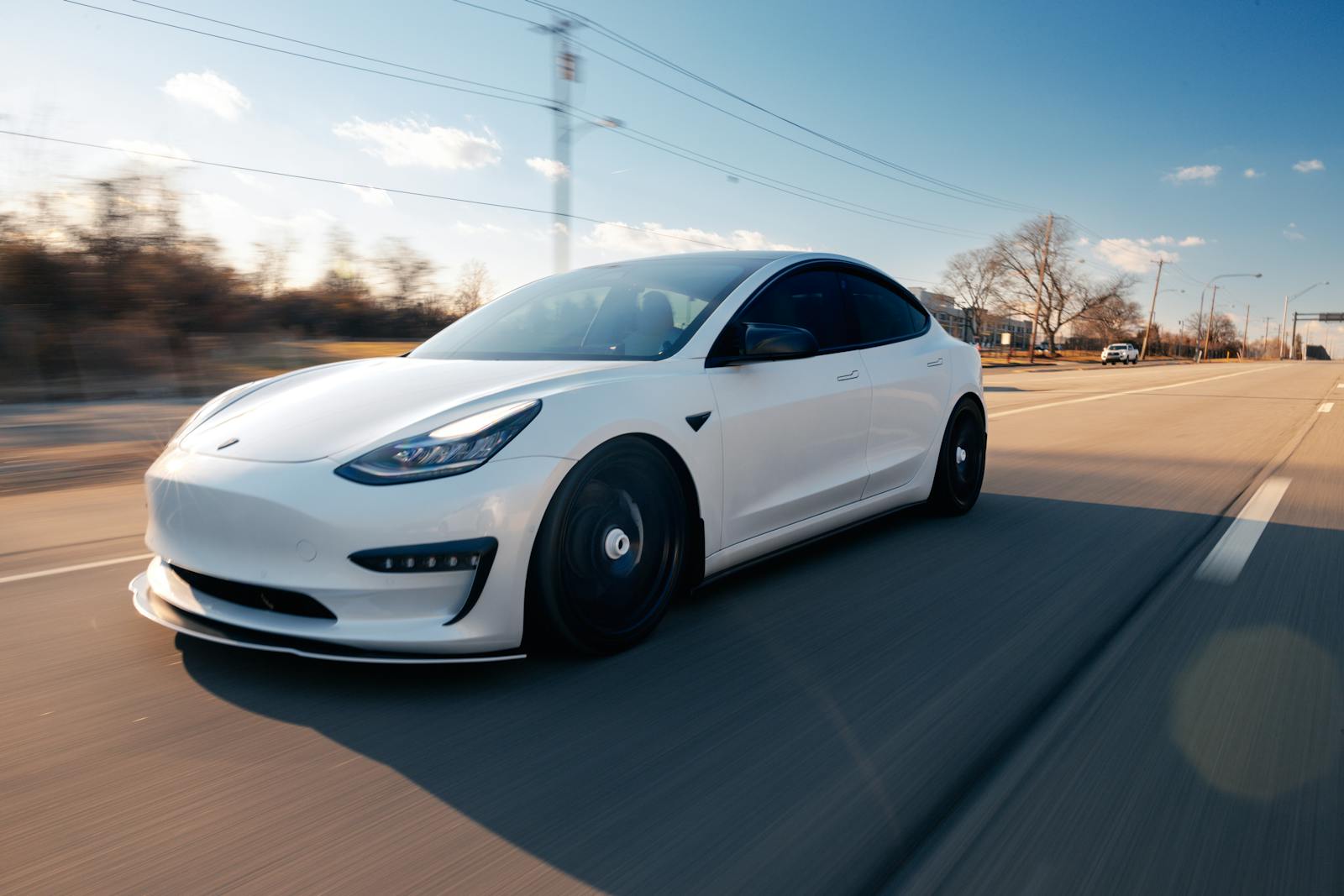

Electric cars have gone from niche experiment to everyday commuter tool, but the open road is still where the nerves kick in. Drivers keep saying that long trips in an EV feel more like a group project than a getaway, and their stories are spreading fast across social feeds and road trip forums. The promise of quiet, low‑carbon cruising is real, yet the reality on a holiday weekend, with kids in the back and a battery ticking down, can still be brutally stressful.
That tension is exactly why this conversation keeps popping up everywhere from Reddit threads to glossy explainers. The tech has improved, chargers have multiplied, and apps are smarter, but the emotional gap between “should be fine” and “am I actually going to make it” has not closed for a lot of people. The result is a strange moment where EVs are clearly ready for prime‑time commuting, while their road trip reputation is still very much under review.
Why EV road trip anxiety is suddenly everywhere
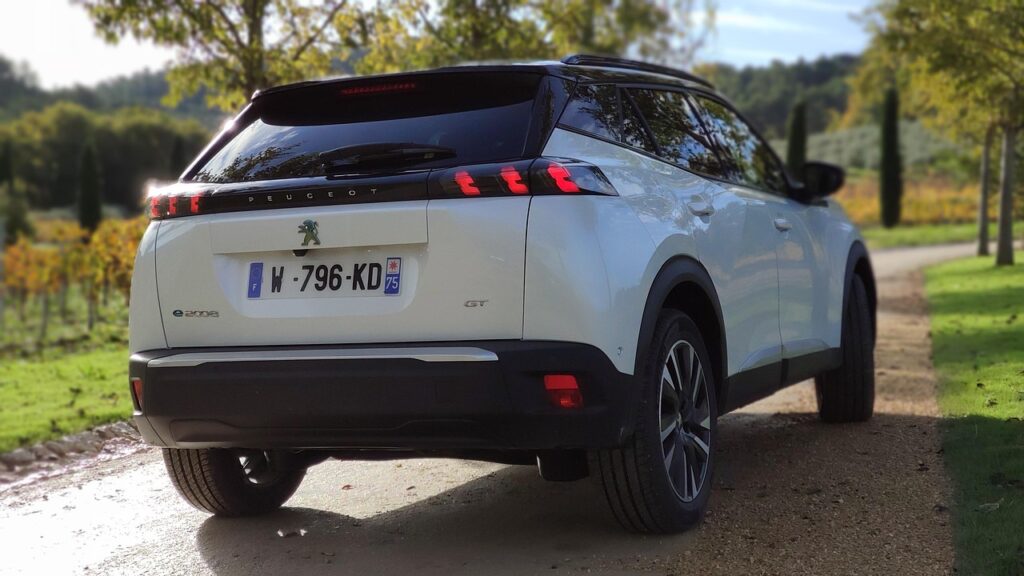
Part of the reason these stories feel inescapable is that EVs have moved from early adopters to regular families who just want to get from point A to point B without homework. What used to be a quiet concern in owner Facebook groups is now a mainstream topic, amplified every time a driver posts a blow‑by‑blow of a fraught charging stop or a vacation detour that went sideways. One detailed account of a “full honest road trip experience” describes how a driver who thought long‑distance travel “is not that bad” watched a planned 15 hour drive balloon into more than 18 hours once detours for chargers were added, and that kind of story is catnip for anyone still on the fence about going electric, especially when it is laid out in a candid Reddit thread.
At the same time, lifestyle coverage has started treating EV road trips as a kind of new travel genre, complete with packing lists and mindset shifts. One guide walks through the familiar checklist of “Snacks, check. Playlist, check. Fully charged car, check” before explaining that an Electric vacation still hinges on more planning than a gas car. Another version of the same piece leans on the same “Snacks, Playlist, Fully charged car” rhythm to underline how normal the ritual feels, even as They still warn that the charging piece can make or break the mood.
The infrastructure boom, and the gaps that still ruin vacations
On paper, the charging landscape looks dramatically better than it did a few years ago. Fast chargers have spread along major highways, and one analysis notes that the number of high speed plugs along key corridors has jumped by triple digits, with some regions seeing increases of up to 471%. The comparison that keeps coming up is the classic interstate rest stop: just as gas stations became a predictable part of the highway experience, fast chargers are slowly turning into a standard feature of long distance driving, at least along the busiest routes.
Zoom out from those corridors, though, and the map still has some brutal blank spots. A detailed look at national coverage labels certain stretches “Still Tough,” pointing out that Some rural highways still require drivers to go one or two exits out of their way, or to cross parts of “Arizon” with almost no fast charging at all. For anyone who grew up assuming there would always be a gas pump at the next exit, that kind of gap turns a simple family trip into a route planning exercise that feels more like flying a small plane than driving a car.
When a 15 hour drive becomes 18 plus
The most viral EV road trip posts tend to share a similar arc: optimism at the start, creeping delays in the middle, and a slightly shell shocked debrief at the end. In one widely shared account, a driver explains that they set out believing long distance travel in their EV “is not that bad,” only to discover that detouring to find working fast chargers turned a 15 hour driving day into more than 18 hours on the road. The writer concludes that the extra time “is not” worth it for them, and that blunt verdict has been quoted and screenshotted far beyond the original Oct post.
Stories like that resonate because they capture the mismatch between how people are used to traveling and what an EV sometimes demands. In a gas car, an extra three hours on a 15 hour route usually means a traffic disaster or a major detour; in an EV, it can be the cumulative effect of slower charging speeds, crowded stations, and the need to keep the battery in a comfortable state of charge. That is why even drivers who love their cars for daily use still describe long trips as a kind of experiment, one that can go sideways quickly if a single charger is offline or a station is full, a pattern that shows up again and again in owner posts.
Freedom from gas, but not freedom to roam
For many owners, the emotional whiplash is real. One Canadian driver writes that “My EV” delivered exactly what they wanted at first: freedom from gas stations and the satisfaction of skipping the pump entirely. Over time, though, they realized that the same car “took away my freedom to roam,” because every spontaneous weekend drive had to be filtered through a mental map of chargers and a running calculation of how far they could push the battery in winter, a tradeoff they describe in a first person piece from Canada.
That tension between climate‑friendly pride and practical frustration is what keeps surfacing in conversations about long trips. The same driver who happily tells friends that their EV is perfect for commuting and errands will admit that they still rent a gas car for a big cross country vacation. In the Canadian story, the writer frames it as a loss of spontaneity, a sense that the car has turned every drive into a math problem, and that feeling echoes across other first person essays and News Loaded comment sections.
Range anxiety, three decades in
None of this language is new. The term “Range anxiety” has been floating around for decades, defined very specifically as the fear of running out of battery charge before reaching a destination or a charging station. One detailed explainer notes that the phrase was coined more than thirty years ago and asks bluntly whether it is still holding back “green road trips” after all that time, pointing out that the core fear has not changed even as battery tech and charger counts have improved, a history laid out in a recent analysis.
Another version of the same piece spells it out again, describing how “Range anxiety” is essentially a psychological hangover from the earliest EVs, even though much has changed since then in terms of range, charging speed, and network coverage. Yet the stories that go viral are rarely about the quiet, uneventful trips; they are about the family that misjudged a mountain pass or the renter who could not find a working charger near their hotel, reinforcing the idea that the fear is still justified, as the follow up Range discussion notes.
When even the experts hit snags
The anxiety is not limited to first time renters or casual drivers. On a highly publicized road trip meant to showcase the charging network, Energy Secretary Jennifer Granholm traveled in a Cadillac Lyriq and still ran into very public bottlenecks. At one point, her team arrived at a station to find all the plugs occupied, and a gas car reportedly parked at a charger to hold a spot, a scene captured by reporter Camila Domonoske.
Another version of that same trip report describes how Granholm approached a charger in the Cadillac Lyriq only to find that the station could not accommodate the convoy without some improvisation. When even a cabinet level official, traveling with staff and advance planning, ends up in a mini charging drama, it reinforces what everyday drivers already suspect: the system is improving, but it is still fragile enough that one crowded station can derail an entire schedule.
Are EV road trips actually getting easier?
Plenty of owners would still answer yes, with caveats. One long time driver, writing in a letter signed “By David Morgan,” describes how their family bought a Chevy Bolt in 2018 and started testing it on longer routes. Over time, they watched a “Plug” in corridor evolve into a genuinely EV friendly route, with more reliable fast chargers and better signage, a transformation they detail in a Letters to the Editor.
Another owner focused guide argues that early horror stories are not necessarily representative anymore. It notes that while some first generation drivers had to string together slow chargers and hope for the best, newer networks and better route planners have made it much more realistic to treat an EV as a primary road trip car. That same piece, framed as advice on whether EVs are “Good for” a “Road Trip,” stresses that planning is still essential but insists that the experience has improved enough that many families now choose electric for long drives on purpose, a point echoed in a follow up discussion.
How drivers are adapting, not just enduring
As the tech catches up, drivers are also quietly changing their own habits. One set of owner stories points out that built in breaks for charging can actually make long drives less punishing, because they “give the driver moments to rest” instead of turning the day into a single grueling push behind the wheel. Those same drivers admit that it “takes extra consideration” to plan around charging stops, but they frame it as a tradeoff they are willing to make for quieter cabins and lower running costs, a balance described in a series of Jan interviews.
Practical guides now tell would‑be owners that long distance travel “works” in an EV, but with “a bit more” planning than a gas car. One explainer on “Long, Distance Travel and Road Trips One” of the key concerns spells out that drivers should expect to rely on apps, prebook hotels with chargers, and build in buffer time, but it also notes that for many people the tradeoff is worth it once they get used to the rhythm, advice that shows up in a detailed switching guide.
From charging rage to virtual queues
Of course, not every adaptation is zen. As more EVs hit the road, crowded stations are spawning a new kind of frustration that some drivers have started calling “charging rage.” One analysis asks readers to imagine the usual irritation of waiting for a gas pump, then layer on longer charging times and a growing number of cars competing for the same plugs, warning that the resulting anger is “Now” showing up frequently on social media and online forums, a trend that has prompted experiments like a virtual queue system at some fast charging sites.
Other guides try to head off that frustration by coaching drivers on expectations. One piece that asks “Are” EVs “Good for” a “Road Trip” acknowledges that early adopters faced real headaches, but argues that newer stations, better uptime, and clearer etiquette are slowly reducing the odds of a meltdown. It also notes that while some drivers still have to “wait for a spot” at peak times, the overall experience is improving as networks expand, a point reinforced in a follow up overview.
The stories that stick, and what comes next
There is a reason the stressful stories stick in people’s heads more than the smooth ones. One legal blog, writing about a completely different topic, notes that “It’s a sentiment shared by many” when frightening incidents flood social media and news outlets, and that the volume of those stories can “mask the growing concern” underneath, a dynamic that maps neatly onto EV travel as well. As accounts of fraught charging stops and stranded renters pile up, they shape public perception more powerfully than the quiet, uneventful drives that never get posted, a pattern that piece highlights in its discussion of shared fear.
More from Wilder Media Group: