
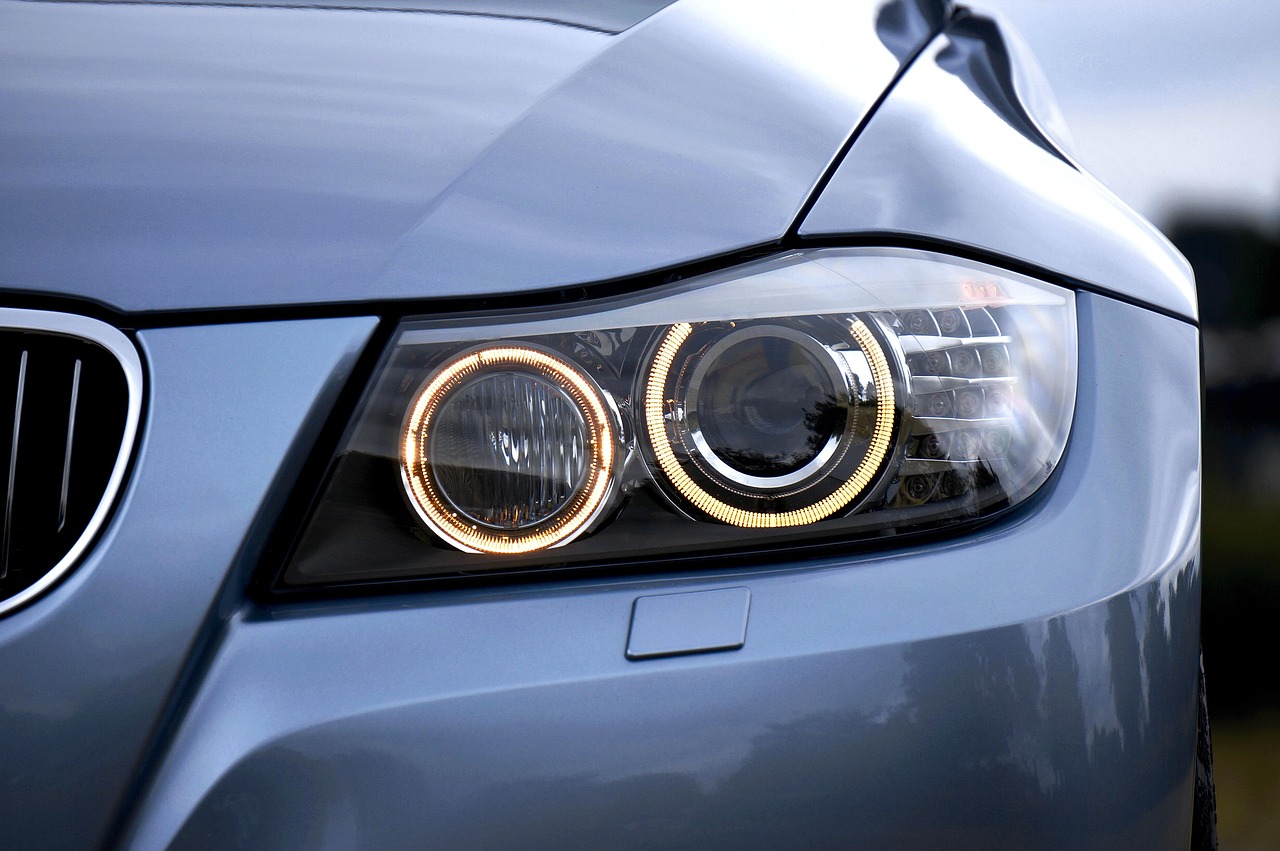

Night driving used to be a quiet, almost relaxing part of the day. Now a growing number of drivers say it feels more like staring into a row of camera flashes. As carmakers chase brighter, whiter beams, people on the road are reporting everything from momentary blindness to full‑on dread about getting behind the wheel after dark.
The frustration is not just about comfort. Drivers are cutting back on night trips, older motorists are questioning whether they can keep driving at all, and safety experts are warning that glare is quietly reshaping how people use the roads. The technology was supposed to make everyone safer, but the lived experience for many drivers is the exact opposite.
The growing backlash against “dazzling” headlights
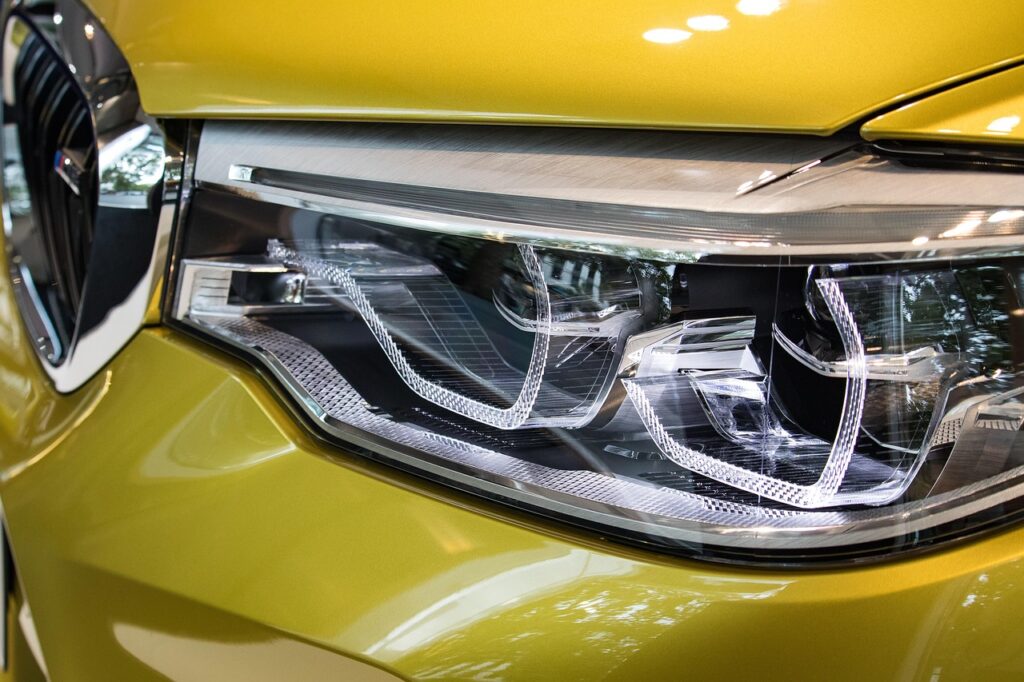
Across the UK and beyond, complaints about headlight glare have shifted from casual grumbling to a full‑blown backlash. In one widely shared discussion, drivers described modern beams as “dazzling” and said they feel the problem is getting worse every year, with some even linking the intense light to migraines and lingering eye strain during night journeys, a frustration echoed in posts shared by Jan. People are not just annoyed, they are describing real physical discomfort and a sense that the basic act of passing another car has become a hazard.
That sense of danger is feeding a broader narrative that something has gone badly wrong with how headlights are designed and regulated. In another clip shared in Drivers’ stories, people talk about being “blinded” on rural roads and dual carriageways, then needing several seconds to recover clear vision. On a dark, wet night, those few seconds are exactly when a pedestrian, cyclist, or sharp bend can appear, which is why so many motorists now describe night driving as miserable rather than liberating.
When bright beams change how people live and drive
The fallout from all that glare is not just emotional, it is changing behavior. Research cited by The College of Optometrists found that a Quarter of drivers who are affected by bright headlights now drive less at night as a direct result. Denise Voon, a Clinical Adviser at The College of Optometrists, has warned that this glare can make night driving “uncomfortable or more difficult,” especially for people whose eyes already struggle in low light, and that is before factoring in fatigue or bad weather.
Pull that out to a national scale and the impact becomes obvious. If a significant slice of the population is quietly imposing a night‑time curfew on themselves, that affects work shifts, social lives, and even access to healthcare. One study highlighted that Blinding headlights are effectively forcing 1 in 4 drivers to limit or avoid night journeys, which is a remarkable side effect for a safety feature that was meant to help people travel more confidently after dark.
LED tech: safety upgrade or design overkill?
At the center of the argument sits LED technology, which has rapidly replaced old halogen bulbs in new cars. Fans of the upgrade point out that LED units are more energy efficient, last longer, and can throw a cleaner, whiter beam that picks out hazards earlier, a selling point that has helped Across the U.S. and Europe embrace modern lighting as part of a broader push for “smart” vehicles and road safety innovation. On paper, it sounds like a win for everyone.
In practice, the way these systems hit other people’s eyes is where the trouble starts. One viral post flatly declared that LED headlights are “yet another sign of human stupidity,” pointing to an RAC study that found roughly one in four drivers now feels the glare problem has exploded since LEDs became common. Another related post described how that intense light bounces straight into a rear‑view mirror, forcing the driver ahead to squint or look away, a pattern summed up in a separate Nov update that called the effect distracting, disorienting, and even dangerous when people feel “blinded‑by‑the‑headlights.”
Why the glare feels worse than it used to
Part of the story is simple physics and part of it is how human eyes age. Experts interviewed in a feature on What is going on with headlight glare said that several factors are stacking up at once. Newer vehicles tend to sit higher on the road, so their beams hit the windshields and mirrors of lower cars more directly, while the shift to whiter, higher‑color‑temperature light makes the brightness feel harsher even when the measured output is technically legal.
Age then pours fuel on the fire. The same experts noted that Some older drivers have pupils that react more slowly and lenses that scatter light more, which means a bright oncoming beam blooms into a starburst instead of a clean pattern. That helps explain why a set of headlights that feels merely annoying to a 30‑year‑old can be almost incapacitating to someone in their seventies, even though both are looking at the same car.
Older drivers say it is not just them getting old
Online, older motorists are pushing back hard against the idea that this is just about aging eyes. In one discussion on Nov, a user with the handle Grand_Taste_8737 argued that it is “not just older drivers” being blinded by “ridiculously bright headlights,” and younger commenters chimed in to say they also struggle when a lifted SUV or new crossover appears in the opposite lane. Another user, Miserable_Wil, described night driving as “hard mode” now, a phrase that has been echoed in similar threads.
That generational mix shows up elsewhere too. On a separate forum, one driver vented that they were “done driving at night” because of modern car headlights, a sentiment that sparked a long thread on Jan where people traded coping strategies and horror stories. Another commenter in that same space joked that Now they simply wait until they are closer to an oncoming car so the other driver can see them flashing to dip their beams, a workaround that underlines how little faith many people have in automatic headlight systems to behave politely on their own.
Design flaws, DIY mods, and the LED arms race
Beyond raw brightness, a lot of the misery comes down to how light is aimed and where it ends up. Enthusiasts on a driving forum have pointed out that There are three big issues with LED headlights: people dropping LED bulbs into reflector housings that were designed for halogen, a lack of proper LED options for some older cars, and poor alignment that sends the beam straight into other drivers’ faces. When a reflector is shaped for a softer halogen filament, swapping in a tiny, intense LED chip can turn the whole unit into a floodlight instead of a controlled pattern.
Even when the hardware is factory‑fitted, styling trends are not helping. Commenters in a technology thread complained that modern units are “unbelievably annoying,” with one user insisting They need to recreate old silver‑tipped bulbs that shielded the hottest part of the beam from direct view. Another user, posting as Cryptic0677, countered that Maybe they are “crazy” but they can see far better with the new lights, which neatly captures the split between those inside the bright bubble and everyone stuck on the receiving end.
Science of glare: what the eye actually sees
Lighting researchers say the human eye is being asked to do something it simply does not handle well. Mark Rea, a professor at Mark Rea Mount Sinai’s Icahn School of Medicine, told Business Insider that the move from halogen bulbs to LEDs has changed not just brightness but the color of the light. That whiter, bluer tone scatters more inside the eye and on wet roads, which makes the beam appear brighter and harsher even when the measured output is similar to older systems.
Rea also pointed out that the compact size of LED emitters concentrates light into a smaller area, so any misalignment or bounce off a mirror feels more like a laser than a soft glow, a problem amplified by the way Mount Sinai researchers say LEDs also cause headlights to appear brighter than their halogen predecessors. Combine that with rain‑slicked asphalt, reflective road signs, and glass‑heavy modern cabins, and the result is a visual environment that can overwhelm drivers’ ability to adapt from darkness to sudden bursts of light.
Practical ways drivers are fighting back
While regulators and manufacturers argue over standards, drivers are quietly building their own survival kits. Legal advisers who specialize in crash cases often share basic tips, such as telling motorists, “Don’t look directly at the headlights of oncoming traffic,” and instead to Don’t fixate on the glare but Avert their gaze slightly to the right‑hand edge of the lane. That simple habit can keep the road in view while reducing the punch of a direct beam, especially on two‑lane highways where there is no central barrier.
Other advice focuses on eye care and small tweaks to the car itself. Guidance shared with drivers in Scotland suggested that those who struggle with glare should consider anti‑reflective coatings or updated prescriptions, with one post noting that a recent study by the RAC indicates that approximately 89% of UK drivers feel that some vehicle headlights are excessively bright. That same advice urged people to keep windscreens clean inside and out, since even a thin film of grime can scatter light and make every oncoming car feel like a stadium floodlight.
What needs to change for night driving to feel sane again
For now, the burden of coping sits mostly on individual drivers, but the scale of the complaints suggests a systemic fix is overdue. Commentators in a widely read Mar opinion piece argued that older cars might have had weaker lights, but they also did not leave people squinting and bracing for impact every time a new SUV appeared over a hill. The writer warned that the industry’s obsession with ever brighter, whiter headlights has created a kind of arms race, where each new model has to outshine the last, regardless of what that does to everyone else on the road.
Public sentiment is clearly shifting toward tighter rules and smarter design. A viral post shared in Jan highlighted that 89% of UK drivers now believe some headlights are too bright, while RAC research amplified through social media has turned “blinding headlights” into a mainstream phrase rather than a niche complaint. Until regulators catch up with that reality, night driving will keep feeling like a high‑stakes test of nerve and eyesight, and more people will quietly decide that the safest option is simply to stay home after dark.
More from Wilder Media Group: