
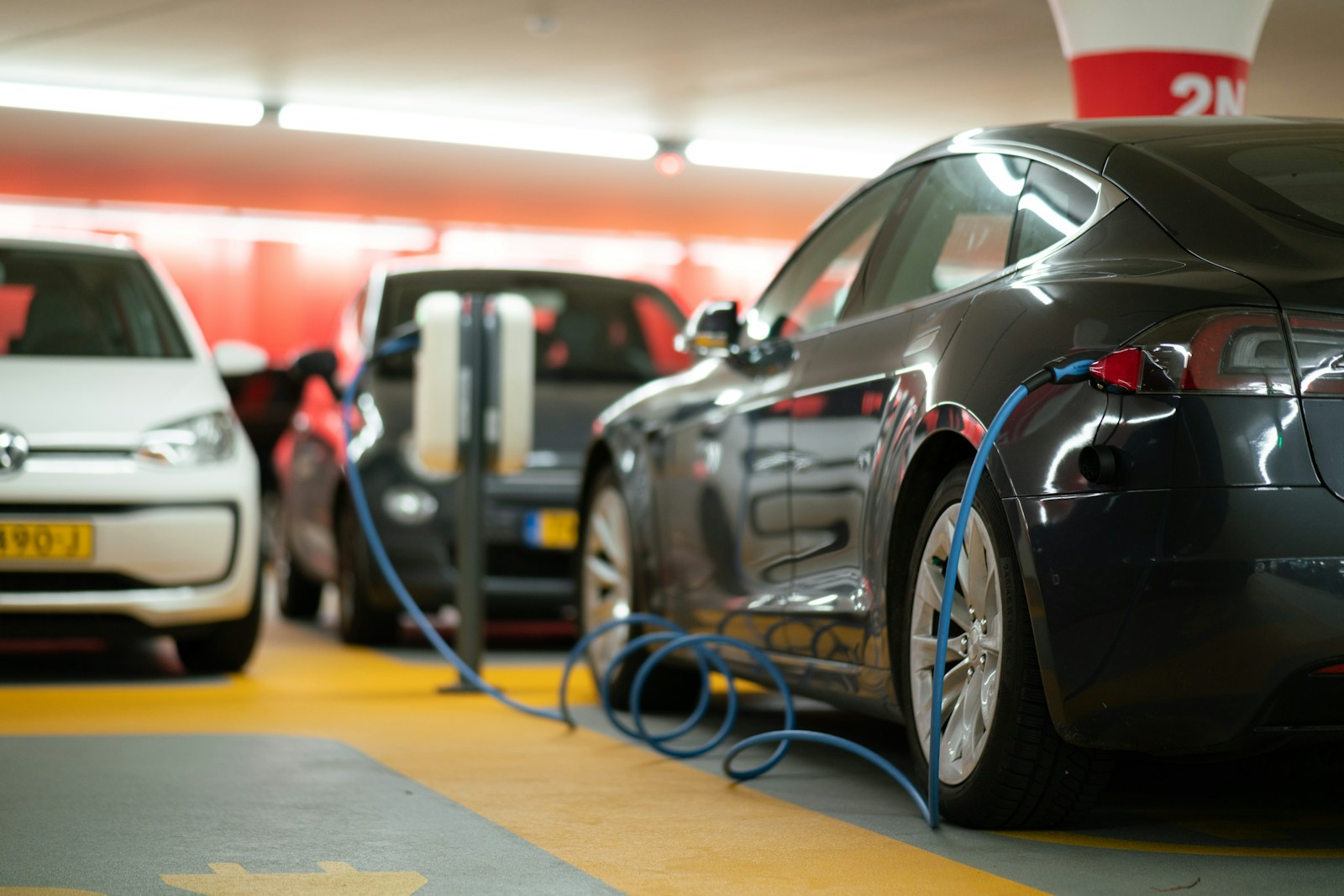

Public charging was supposed to be the easy part of owning an electric car: pull up, plug in, grab a coffee, and roll out. Instead, drivers are swapping horror stories about broken stations, endless queues, and apps that feel like mini part-time jobs. The photos they share, from duct-taped chargers to parking lots full of dead stalls, tell a pretty blunt story about a system that is not keeping up.
The messy reality is colliding with a rapid buildout of new plugs and a growing wave of first-time EV owners who do not have home charging. The hardware is multiplying, but reliability, access, and basic usability are lagging badly enough that some drivers say public charging is starting to feel like a disaster in slow motion.
1. The promise of public charging is colliding with a messy reality
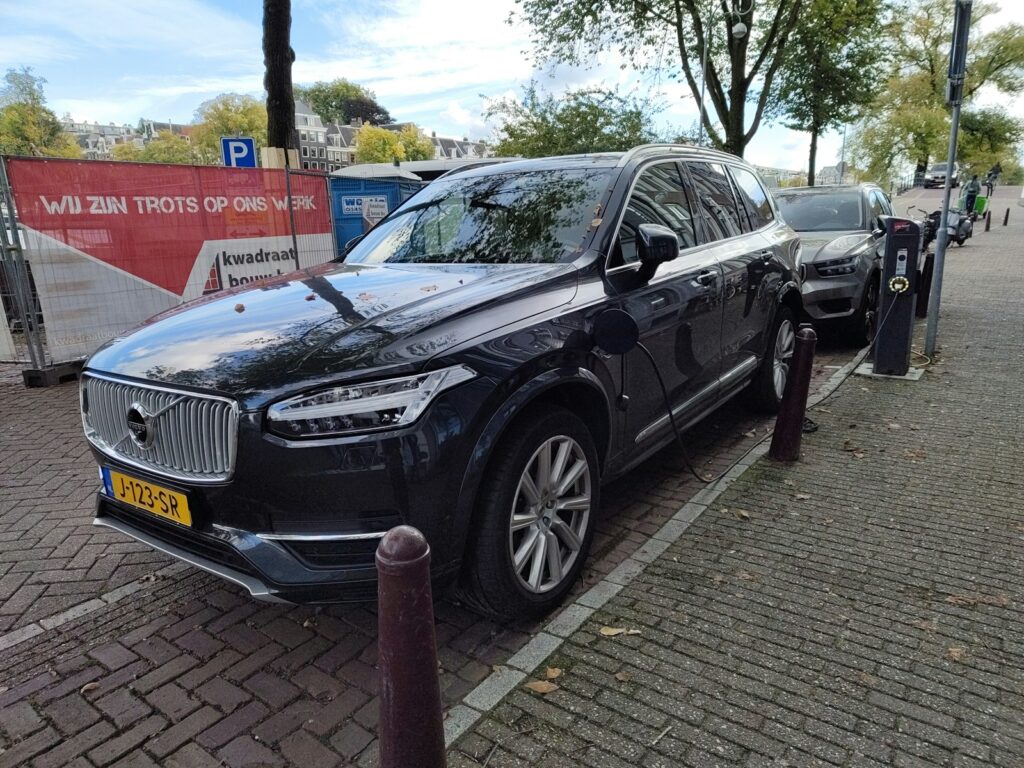
On paper, the charging revolution looks impressive. Between 2018 and 2022, public EV charging infrastructure more than doubled, a surge that was supposed to make electric cars feel as convenient as gas for millions of potential drivers. That kind of growth sounds like success, but it also means a lot of new hardware dropped into parking lots faster than operators could standardize layouts, signage, or maintenance routines, so drivers now walk into a patchwork of different networks, speeds, and rules that can change from one strip mall to the next.
Photos from busy corridors show the gap between the glossy promise and the asphalt reality. A driver might pull into a row of eight fast chargers and find three wrapped in caution tape, one blocked by a delivery van, and another throttled to a crawl, with the only working plugs already occupied. The result is a kind of infrastructure whiplash, where the impressive growth cited in Between does not translate into confidence on the ground.
2. Drivers say the “uncomfortable truths” are now impossible to ignore
Seasoned EV owners have started talking about a set of uncomfortable truths that anyone relying on public charging eventually runs into. The first is that a charger on a map is not the same as a charger that actually works, and the second is that even a working station can be so slow, crowded, or awkwardly placed that it barely counts as usable. These are not fringe complaints from early adopters, they are becoming the baseline expectations drivers quietly warn each other about in forums and group chats.
Those truths show up in photos of cars lined up behind a single functioning fast charger while the rest of the site sits dark, or in close-ups of cracked screens and error codes that have clearly been there for weeks. Reporting on public EV charging has cataloged how reliability problems, confusing pricing, and inconsistent access stack up into a broad sense of frustration, with one analysis bluntly laying out five uncomfortable truths that now shape how drivers plan every long trip.
3. Broken hardware and dead screens are turning into the default photo op
Ask an EV driver to show what is going wrong and they will usually start with the hardware. The most common images are of stations that look abandoned: screens frozen on boot menus, card readers taped over, cables lying on the ground, or entire pedestals wrapped in plastic like they are waiting for a renovation that never comes. For someone who arrived with 8 percent battery and kids in the back seat, that scene is not just annoying, it is a genuine problem.
Those visuals match what many surveys now describe as a drop in charging satisfaction driven by reliability issues and an overall inconvenience for drivers. One industry analysis notes that the reason EV charging satisfaction is slipping is not a mystery, it is the cumulative effect of broken equipment, confusing access rules, and long waits that add up to an overall inconvenience for drivers, a pattern highlighted in Drivers Are Frustrated. The photos of dead screens and error codes are simply the most visible symptom of a deeper maintenance problem.
4. Long lines, slow speeds, and the time tax of charging in public
Even when the hardware technically works, the experience can feel like a time tax that gas drivers never see. Fast chargers that should deliver a quick top-up often run at a fraction of their advertised speed, either because of power limits at the site or because multiple cars are sharing the same cabinet. Drivers post screenshots of their dashboards showing 30 kilowatts on a unit that is branded as 150 kilowatts, a mismatch that turns a planned 20 minute stop into an hour of watching percentage counters crawl upward.
Layered on top of that are the lines. In growing EV markets, it is common to see photos of four or five cars queued behind a small bank of chargers, each driver doing the mental math of whether they have enough range to bail out and try another site. Industry research has pointed out that as more drivers adopt EVs, the lack of matching investment in reliable, high speed public charging is creating an overall inconvenience for drivers that shows up in lower satisfaction scores and more complaints, a trend that the Oct analysis ties directly to how long people are forced to wait.
5. App overload, payment chaos, and the “QR code parking lot” problem
Beyond the plugs themselves, the software layer has become its own headache. Many public chargers require drivers to juggle multiple apps, accounts, and membership tiers just to start a session, which is why photos of EV dashboards are now often paired with screenshots of phones full of charging apps. A simple road trip can mean signing up for three or four different networks, each with its own login, payment method, and sometimes its own RFID card that has to be ordered in advance.
That fragmentation shows up visually in parking lots plastered with QR codes and tiny instructions that assume a level of tech comfort not everyone has. Reporting on public charging has flagged this as one of the core frictions that keeps satisfaction low, with drivers describing how the need to manage multiple apps and payment systems turns what should be a quick pit stop into a small project. Analyses of public EV charging have argued that this complexity is one of the key truths holding back broader adoption, especially for people who are not already tech enthusiasts.
6. Where you live still decides how bad the pain is
The public charging experience is not evenly bad everywhere, and geography still does a lot of the deciding. In some coastal cities, drivers can choose between multiple fast charging hubs within a few miles, while in other regions a single broken station can effectively strand someone. That unevenness is why so many road trip photos show drivers carefully planning routes around known “good” sites and avoiding entire stretches of highway that have a reputation for unreliable chargers.
Recent reporting on regional EV growth has highlighted how some parts of the country are catching up while others lag. A New report on the Mountain West notes that states like Nevada, Utah, and Colorado are gaining ground on electric vehicles, while Wyoming and Montana lag behind, a split that shows up directly in how many public chargers drivers can actually find on the map. For someone crossing that region in a Hyundai Ioniq 5 or a Chevrolet Blazer EV, the difference between those states is not abstract policy, it is the number of working plugs between them and the next town.
7. Apartment dwellers and renters are stuck on the front lines
Homeowners with garages can shrug off a lot of public charging chaos because they do most of their fueling overnight at home. Renters and apartment dwellers do not have that luxury, which is why their photos of crowded public chargers hit differently. For them, a broken station is not just an inconvenience on a road trip, it can mean being late to work the next morning or having to sit in a parking lot at midnight waiting for a slow charger to free up.
Industry research has warned that this gap could lock out millions of potential drivers who cannot install a Level 2 charger where they live. Analyses of public charging growth, including the period when infrastructure more than doubled between 2018 and 2022, have stressed that without a matching push to add reliable chargers at multi unit buildings and workplaces, the benefits will bypass people who need them most, a point underscored in Jan. The result is a two tier system where some drivers rarely see a public charger and others are forced to live at them.
8. Property owners are waking up to both the complaints and the opportunity
For businesses that control parking lots, the wave of driver frustration is starting to look like a business plan. If a grocery store, office complex, or hotel can offer reliable, easy to use charging, it instantly stands out from competitors whose lots are full of broken or confusing stations. That is why more property owners are studying the photos and complaints, not just as a warning, but as a checklist of what to fix: clear signage, working hardware, simple payment, and enough stalls to avoid constant lines.
Industry commentary has pointed out that the same issues dragging down satisfaction are creating opportunities for property owners who are willing to invest in better infrastructure. The analysis behind Creating Opportunities for argues that if businesses can solve the pain points drivers complain about most, they can turn charging into a loyalty tool that keeps customers on site longer and encourages repeat visits. In other words, the disaster photos are also a roadmap for anyone who wants to do it better.
9. What needs to change before public charging stops scaring people off
For public charging to stop feeling like a gamble, the basics have to improve fast. That starts with reliability, which means operators need to treat chargers less like one time construction projects and more like ongoing services that require constant monitoring, maintenance, and upgrades. Drivers should not have to scroll through social media to figure out whether a station is alive, and they should not be surprised by throttled speeds or hidden fees when they plug in.
Standardizing the experience would go a long way too. Fewer apps, clearer pricing, and consistent layouts would make it easier for someone in a Kia EV6 or a Ford F 150 Lightning to pull into any station and know exactly what to expect. Analysts who have cataloged the uncomfortable truths of public EV charging argue that the current mess is not inevitable, it is the result of choices about how quickly to build, how little to coordinate, and how slowly to respond when things break, a pattern laid out in 5 uncomfortable truths. Until those choices change, the photos from public chargers will keep looking less like a clean energy future and more like a warning sign.
More from Wilder Media Group: