
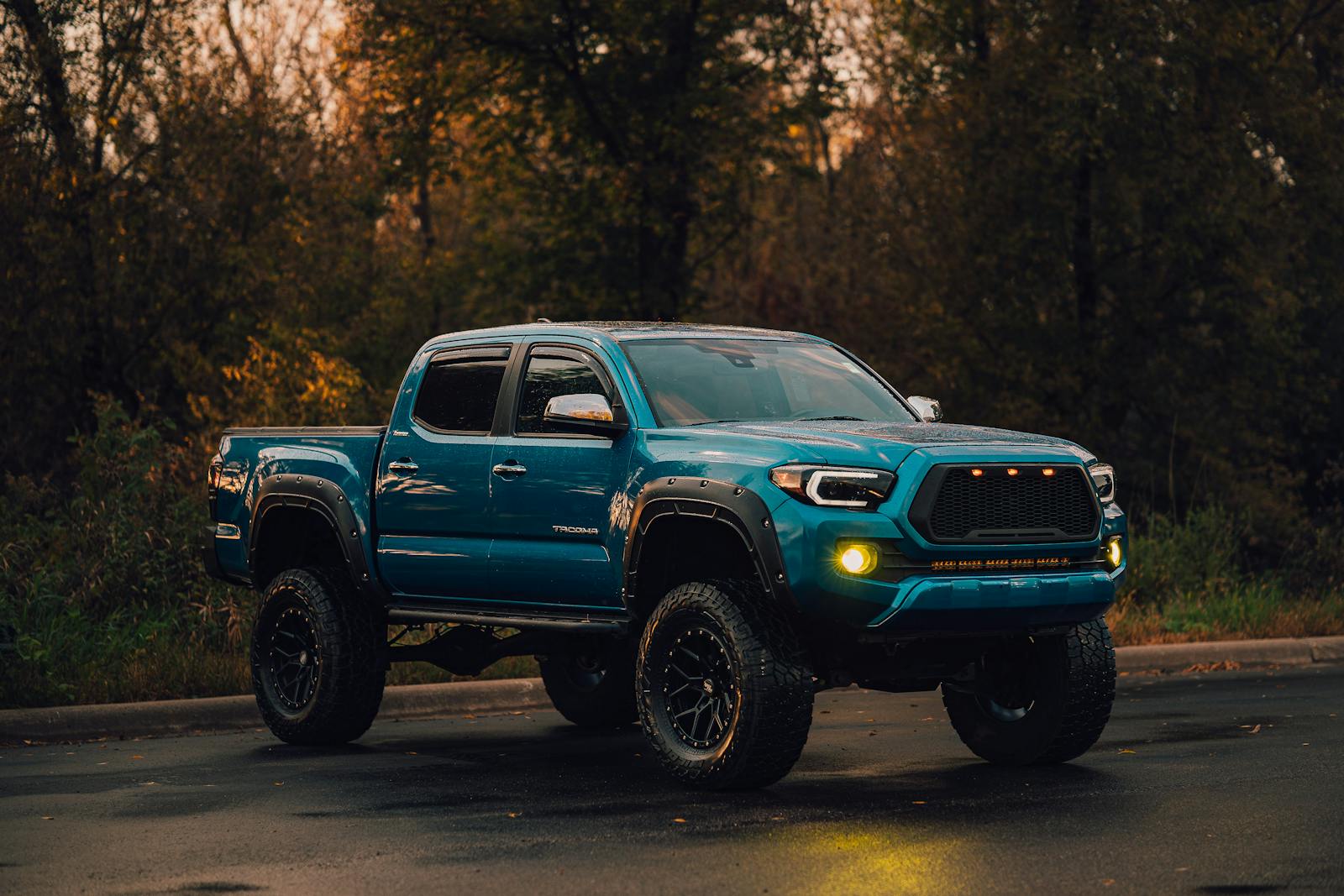

Across truck forums and dealership lots, one upgrade keeps coming up in frustrated conversations: aggressive lift kits that promise a tougher stance but are instead leaving owners with broken parts and big repair bills. Drivers are discovering that the wrong lift, installed the wrong way, can chew through suspension components, confuse safety systems, and even put factory warranties at risk. What looks like a simple way to clear bigger tires is, in practice, a complex change to how a modern pickup is engineered to drive, stop, and protect the people inside.
Owners who jumped in for the look are now reporting ruined ride quality, scary handling, and expensive failures that dealers are in no hurry to cover. Mechanics, off-road specialists, and even truck reviewers are sounding the same warning: a poorly chosen or cheaply installed lift kit can quietly turn a $60,000 pickup into a money pit long before the odometer suggests anything is worn out.
How a “simple” lift kit snowballs into major damage
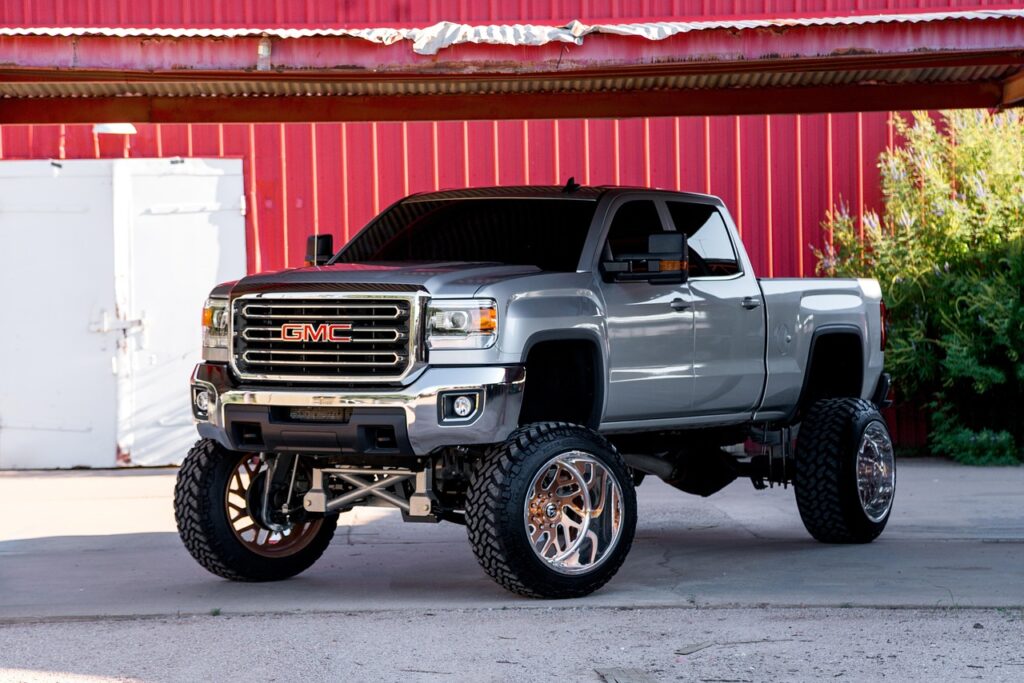
On paper, a lift kit sounds straightforward: raise the body, fit taller tires, enjoy more clearance. In reality, lifting a modern truck changes the angles of control arms, tie rods, and driveshafts, which can overload bushings, ball joints, and steering components that were never designed to operate at those extremes. In one detailed breakdown, Jan walks through how common truck modifications, including budget lifts, can accelerate wear on steering and suspension parts when geometry is pushed beyond factory limits, turning what should be a cosmetic upgrade into a steady stream of repairs linked to those modifications.
Mechanics are now sharing photos that show what this looks like underneath. They posted images of a suspension system with a coil spring visibly crushed under constant load, a sign that the lift and added weight have pushed the spring far past its working range. The compressed coil in those pictures is not just a cosmetic concern, it hints at a truck that bottoms out more easily, rides harshly, and transfers extra stress into struts, shocks, and even the frame. Once that happens, owners can find themselves chasing clunks, vibrations, and uneven tire wear that never quite go away.
The warranty trap: when the bill lands on the owner
Many buyers assume that as long as the truck is under warranty, any failure will be covered, lifted or not. The reality is more complicated. Guidance from off-road specialists makes it clear that installing a lift kit does not automatically void a factory warranty, but damage that can be traced back to the modification is fair game for denial. As one detailed explainer puts it, the key takeaways are that installing a lift kit will not cancel coverage across the board, yet any system affected by the change, especially if the installation is poor, can see its warranty impacted.
That nuance matters when a lifted truck shows up at a dealer with a failed differential, broken CV axle, or steering rack leak. Service departments are increasingly comfortable pointing to aftermarket parts as the culprit and sending the owner back to the shop that did the work. For drivers who financed a new pickup and then spent thousands more on a lift, the shock comes when they realize those repairs are now out of pocket, even though the odometer suggests the truck is barely broken in. The upgrade that was supposed to personalize the truck instead becomes the reason the manufacturer steps away from the repair bill.
Real-world fallout: ruined drivability and “don’t buy” warnings
Beyond the fine print, owners are living with the daily consequences of aggressive lifts that were not matched to the truck. In one case involving a premium GMC AT4X, a dealer described how a cheap aftermarket lift kit turned a high-end off-road package into something they would not recommend to customers. The Deal Breaker for that truck was a Terrible Turning Radius that made parking lots and tight streets a chore, and the dealer noted that beyond the suspension components, the drivability of this truck has been ruined, with common complaints about wandering and poor on-road manners tied directly to the cheap lift.
Independent reviewers are echoing that frustration in broader truck rankings. In one widely shared video, Aug walks through 5 Trucks Mechanics Say “DON’T BUY!” and highlights how certain models become so destructive to own that drivers are dumping them by the thousands, with engines that tick, transmissions that fail, oil that disappears, and repair shops cashing in when these trucks come in. While those warnings focus on factory flaws, they underline a key point for lifted rigs: when a platform already has weak spots, stacking a poorly engineered lift on top can turn a troublesome truck into one that spends more time in the shop than on the road.
Safety systems, stability, and the hidden risks of going higher
Modern pickups are not just frames and leaf springs, they are rolling computers tuned around a specific ride height and weight distribution. Raising that center of gravity makes a truck more susceptible to rollovers during sharp turns or abrupt lane changes, and safety experts warn that this elevated center can significantly increase the risk of a crash. Analyses of crash liability note that when a lift pushes a truck outside its designed parameters, it can also interfere with Driver Assistance Systems (ADAS), leaving features like lane keeping and automatic emergency braking less effective after modifications.
Off-road specialists are trying to get ahead of those problems by stressing how stability control depends on proper suspension geometry. One set of 2026 safety tips urges owners to Support Stability Control With Proper Suspension Geometry, warning that modern trucks rely heavily on these systems to maintain traction and avoid rollovers, and that when control arms and sensors operate outside their designed range, the electronics can no longer do their job. Those warnings are aimed squarely at lifted rigs that skipped the engineering work in favor of a quick visual upgrade, leaving stability control to operate outside its designed range.
Overloading, road manners, and the cost of chasing a trend
Even without a lift, truck makers warn that overloading is a direct path to broken parts. Guidance for buyers of heavy-duty pickups spells it out bluntly: Overloading = Danger. When drivers exceed the Gross Vehicle Weight Rating, or GVWR, the extra mass can overwhelm the suspension, brakes, and even the frame, especially because you can see the rear squat under all that weight while hidden components are pushed to the limit. That reminder about what happens when you exceed GVWR is aimed at stock trucks, but it becomes even more urgent when a lift kit has already altered how the suspension carries a load.
On the road, other drivers are noticing the side effects of this arms race in ride height. In one widely shared account, Drivers complained about an “illegal” new trend they are witnessing on highways, describing lifted trucks with oversized tires that throw rocks and debris, with one observer saying they are so sick of these setups that they worry about damage to their own vehicles. Catherine Wilkins reported how some of these trucks appear to be running tires that extend well past the fenders, which means they will be tossing stones everywhere and raising questions about whether those rigs comply with safety rules.
More from Wilder Media Group: