


Truck buyers are learning the hard way that the wrong engine choice can turn a dream rig into a long term headache. On paper, the latest turbocharged and electrified powertrains promise big towing numbers and better fuel economy, but owners keep reporting failures, recalls, and repair bills that wipe out any savings. The pattern is clear: when the engine is overcomplicated or underdeveloped, the whole truck becomes a liability.
Across brands, drivers are calling out specific engines that looked clever in the showroom and then fell apart in real world use. From twin turbos to hybrids and revived V8s, the complaints are piling up in forums, legal write ups, and reliability rundowns. The common thread is not brand loyalty, it is frustration with powertrains that cannot go the distance.
Why Engine Choice Matters More Than The Badge
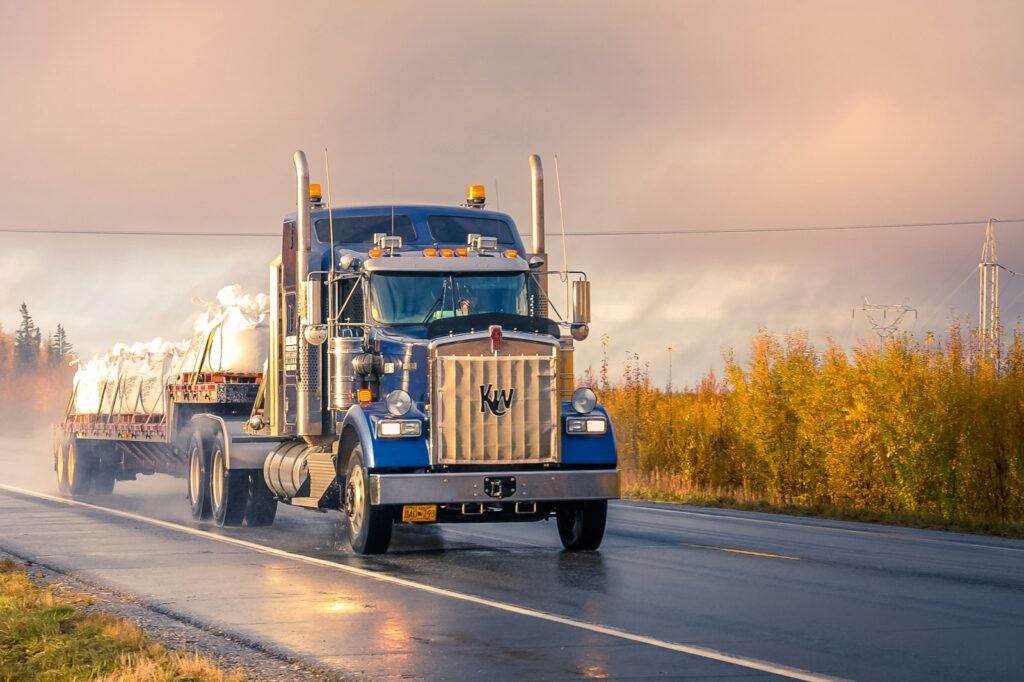
Most shoppers still walk onto a lot thinking about brand first and engine second, but the reliability gap between powertrains inside the same truck lineup is getting too big to ignore. One configuration can quietly rack up high mileage while another, built on the same frame, chews through timing components, transmissions, or battery packs. That is why owners are starting to talk less about which logo is on the grille and more about which engine code is on the build sheet.
Even loyalists are rethinking old assumptions. A longtime Sierra owner described how, However confident he once felt about simple V8s, the move toward complex turbo setups has made long term durability a real question. When problems show up at extremely low mileage, the badge on the tailgate does not soften the blow, and drivers start comparing specific engines across Ford, RAM, and Toyota instead of just staying in one camp.
Toyota’s 3.4 liter Twin Turbo V6: From Promise To Problem
Toyota built its reputation on bulletproof trucks, so owners expected the new twin turbo V6 to carry that torch with better fuel economy. Instead, the big talking point around the 3.4 liter setup in newer full size models has become anxiety about what happens after the warranty runs out. Drivers who traded in older V8 Tundras for the new engine are now watching early failures and wondering if they signed up for a science experiment.
That concern is not just internet noise. The company had to recall about 102,000 2022 to 2023 Tundra and related SUVs because of engine related issues tied to that 3.4 liter twin turbo V6. Owners who bought into the idea of modern efficiency are now watching for more fixes to roll out, and many are quietly saying they would have preferred a simpler, less stressed powerplant that did not need a recall to stay alive.
Ford F 150 Hybrid PowerBoost: Great On Paper, Tough In Reality
Ford pitched the F 150 Hybrid PowerBoost as the best of all worlds, a full size truck that could tow hard, sip fuel, and even power a jobsite. On paper, the idea of a 150 series pickup with a battery pack and electric assist sounded like a no brainer. In practice, owners are discovering that when you bolt hybrid hardware onto a work truck, the number of things that can sideline it multiplies fast.
Reports on the 2021 to 2025 Ford F 150 Hybrid describe a truck that can be brilliant when everything works and brutally expensive when it does not. Owners have flagged issues that range from drivability glitches to problems that can create a rollaway risk, and the advice from seasoned buyers is blunt: if you want this powertrain, plan a healthy repair fund and be ready for more shop time than a traditional gas only setup.
RAM 1500: When A Good Truck Gets Dragged Down By Its Powertrain
The modern RAM 1500 rides well, looks sharp, and has one of the nicest interiors in the half ton game, but its powertrains keep dragging its reputation back to earth. Owners who love the way the truck drives are also the ones posting about engines that stall, transmissions that hunt for gears, and warning lights that show up long before the first set of tires wears out. The gap between how refined the truck feels and how often it needs attention is what stings.
A legal overview of Common RAM 1500 Problems for 2021 to 2025 trucks spells out how deep the issues run. Transmission Issues are described as one of the most frequent complaints, and the write up notes that One of the recurring engine problems can even cause the engine to shut down. For a truck that many people buy to tow, haul, or commute long distances, the idea that the powertrain might simply quit is exactly the kind of long term risk buyers are trying to avoid.
The HEMI Comeback And Owner Jitters
When word spread that RAM was bringing the 5.7 liter HEMI back for 2026, plenty of fans cheered, but not everyone was convinced it was a pure win. Some drivers see the return of a big V8 as a retreat from newer turbo sixes, while others worry that the latest version might not match the durability of older HEMI engines they remember fondly. The excitement is real, but so is the nervous energy around what this means for reliability.
In one discussion about RAM 5.7 engine reliability, one owner flatly called the situation very disappointing and said he had planned to get a new truck but was now hearing that the return of the HEMI might be the worst decision the company could make. Others in the same thread praised older 5.7 trucks that were still running like new, while warning against pairing the engine with eTorque, which they felt did not save much and added complexity. That split reaction captures the bigger story: even when a familiar engine comes back, buyers are wary of how it is executed this time.
Jeep Gladiator: Cool Concept, Rough Execution
The Jeep Gladiator is the kind of truck that turns heads, with open air doors off fun and serious off road hardware. The problem is that a lifestyle pickup still has to survive daily driving, winter salt, and years of hard use, and that is where owners are running into trouble. The engine and body do not always seem ready for the long haul that truck buyers expect.
Owner Reports say the Jeep Gladiator produces a harsh ride and suffers from corrosion on body panels, and reliability ratings have reflected that mixed performance. A broader rundown of unreliable pickups in 2026 also flags the Gladiator as a truck that looks tempting but can punish buyers who expect it to behave like a traditional half ton, with the Jan list warning shoppers not to ignore these early warning signs.
When Mechanics Say “Do Not Buy”
Truck owners can argue about brands all day, but when independent mechanics start waving red flags, people listen. The folks who see engines torn down on a lift have a different perspective than someone who just test drives a truck for fifteen minutes. They see which designs chew through timing chains, which transmissions burn up, and which engines come back again and again for the same failure.
In one widely shared video on Aug problem trucks, a veteran tech rattles off engines that he says are so destructive owners are dumping them by the thousands. He talks about engines that tick, transmissions that fail, oil that disappears, and repair shops that cash in while drivers watch their savings evaporate. The message is blunt and lines up with what many owners are already feeling: some modern truck engines are built in a way that makes long term ownership a gamble instead of a safe bet.
Old School V8s, Titans, And The Value Of Proven Powertrains
Not every engine story is doom and gloom. Some powertrains keep showing up in owner comments as the ones that just work, even if they are not the newest or flashiest. That contrast is what makes drivers so frustrated with fragile modern setups, because they know there are examples of trucks that rack up miles without drama.
In a discussion about trucks people might regret buying in 2026, one owner mentioned having 4 Titans, including a Pro4X, that were never in the shop for anything other than oil changes and routine maintenance. A separate breakdown of the Top Used Trucks to Avoid Buying in 2024 points to the 2006 Nissan Titan and notes that the first generation Nissan Titan and its early years had their own issues, but the broader owner experience with later trucks shows how much value there is in a powertrain that has been refined over time instead of rushed to market.
GM, Cylinder Deactivation, And The Silverado “Holy Grail”
General Motors has spent years chasing fuel economy with cylinder deactivation systems, and many owners have learned to fear the acronyms that come with them. The idea is simple on paper, shut off some cylinders under light load to save fuel, but the real world results have included lifter failures, rough running, and expensive repairs. That is why some buyers now treat the absence of these systems as a selling point.
One 2026 Chevy Silverado owner described scanning his VIN and finding what he called a holy grail discovery, because GM had officially removed the cylinder deactivation system from his truck. He talked about how drivers Imagine driving a brand new truck while constantly listening for that dreaded tick, and how much peace of mind comes from knowing the system is gone. It is a reminder that sometimes the smartest long term engine choice is the one with fewer moving pieces, not more.
Ford Super Duty: The Case For Sticking With A Proven Setup
While half ton trucks experiment with hybrids and small turbo engines, heavy duty buyers tend to be more conservative, and Ford seems to understand that. For its latest three quarter ton and one ton models, the company has chosen to keep a familiar powertrain layout instead of chasing every new trend. That decision says a lot about how much risk real work truck owners are willing to tolerate.
A breakdown of Ford Superduty powertrain plans for 2026 notes that the trucks are keeping the same proven architecture that has been delivering best in class torque and towing. Rather than rolling out a brand new engine that might need years of fixes, Ford is leaning on a setup that fleets already know and trust. For buyers who depend on their trucks to earn a living, that kind of stability can matter more than a small bump in fuel economy or a flashy new badge on the tailgate.
More from Wilder Media Group: