
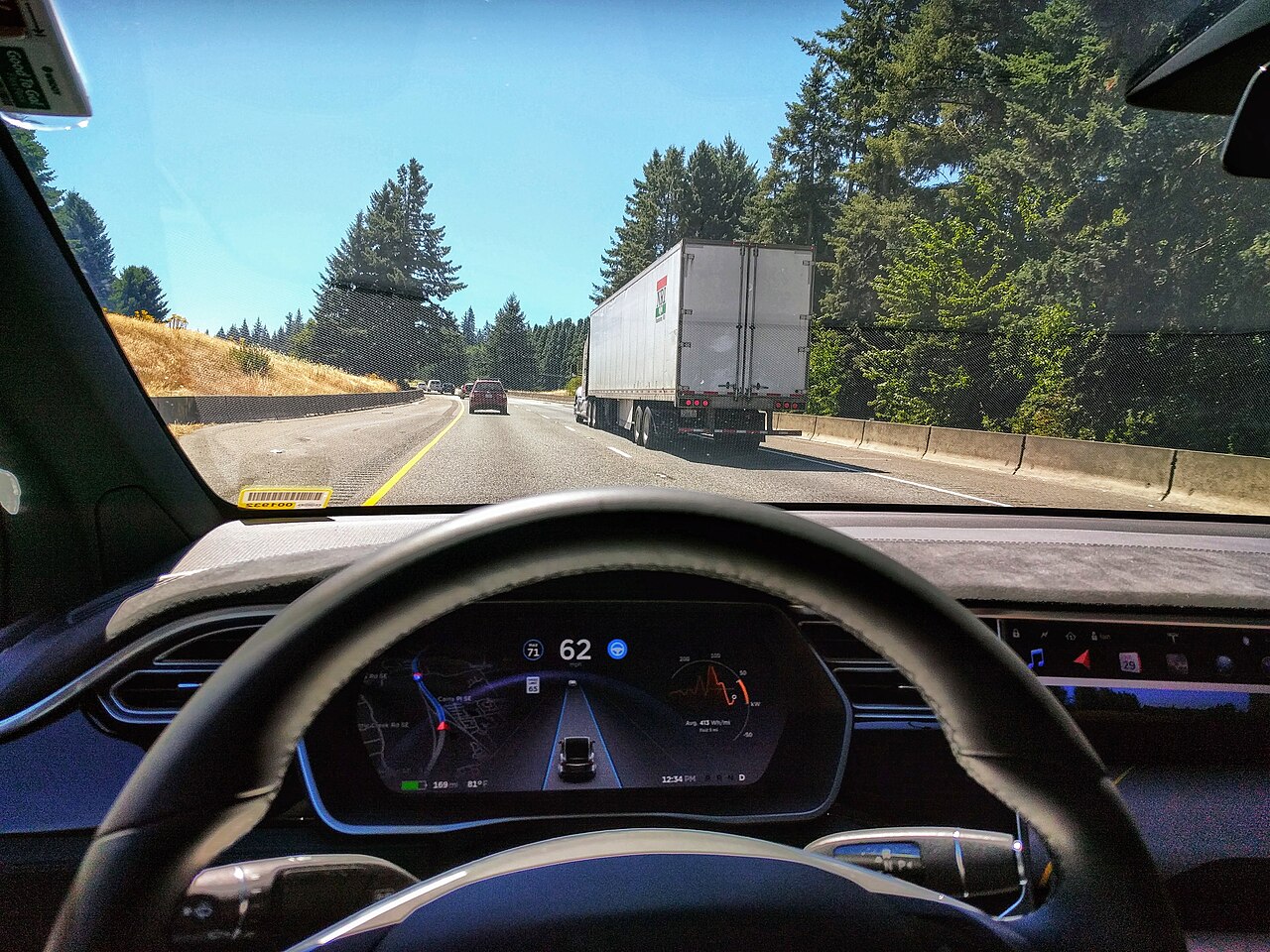

You’ve probably ignored that familiar clicking for years, but it does more than confirm a signal is on. That rhythmic click helps prevent forgotten signals, clarifies intent for other drivers, and—whether mechanical or simulated—acts as a simple safety cue you rely on every time you change lanes or turn.
They’ll explore how the sound started with mechanical flashers, why modern cars sometimes simulate it through speakers, and why that choice matters for real-world safety. Keep going to find out what that small noise says about technology, habit, and staying safer on the road.
The Real Reason Your Turn Signal Clicks Is Crucial for Safety
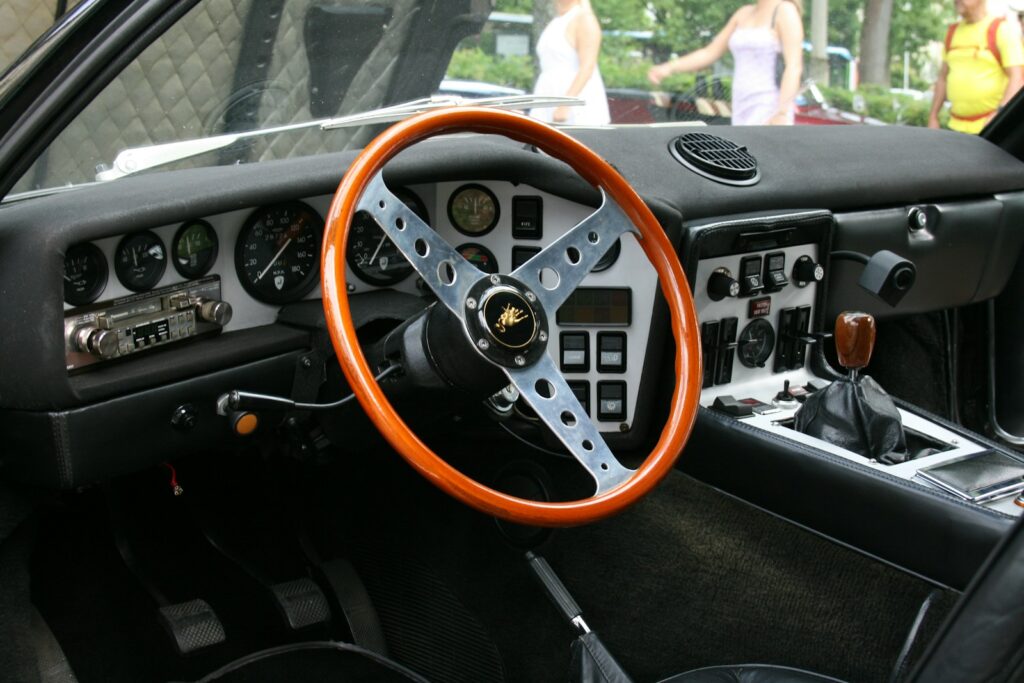
The clicking sound does more than announce a lane change; it helps drivers confirm a signal is active, avoid leaving it on, and detect early electrical or bulb problems. These functions reduce confusion for other road users and give the driver immediate, eyes-forward feedback.
How the Audible Click Keeps Drivers Alert
The click gives immediate auditory confirmation that the indicator circuit is cycling. Drivers can keep their eyes on the road while the rhythmic click confirms the blinkers are working, reducing glances down at the dash or mirror.
That steady feedback becomes part of driving habit; when the click stops or changes, drivers notice the difference faster than a small dashboard light.
Modern cars sometimes simulate the sound through speakers if the flasher mechanism is electronic, because drivers remain conditioned to expect that cue. This preserved click helps maintain situational awareness during turns and lane changes without adding visual distraction.
Role in Preventing Missed or Forgotten Signals
The rhythm of the click reminds drivers that a turn signal is still on, which prevents leaving a blinker engaged after completing a maneuver. That audible reminder reduces confusing or misleading signals to other drivers, especially at intersections and in heavy traffic.
When a driver hears continuous clicking after a turn, it prompts them to cancel the signal immediately, preventing unintended lane changes or erratic movements by nearby vehicles.
Using the click as a built-in checklist—activate, hear click, complete maneuver, cancel—improves road predictability. It also helps learners and distracted drivers build consistent signaling habits that lower the chance of collisions.
Turn Signal Clicking as an Early Warning for Malfunctions
An absent or irregular click can reveal a problem before dashboard warnings appear. Rapid clicking, commonly called a hyperflash, often indicates a burned-out bulb or incorrect bulb resistance.
No click or a very faint click may point to a failed flasher relay, blown fuse, or wiring issue. Drivers who notice changes in the turn signal noise can check bulbs and fuses quickly, avoiding driving with a nonfunctional indicator.
Addressing abnormal click patterns early prevents miscommunication on the road and often avoids more expensive electrical repairs. Regularly comparing the expected turn signal click to the actual sound gives a simple, effective diagnostic habit.
From Thermal Flashers to Simulated Sounds: The Technology Behind the Click
This section explains how the original mechanical designs created the familiar click and why many modern cars recreate that sound electronically. It covers the bimetallic heating mechanism, the shift to electronic control, and how body control modules can simulate clicks even with silent hardware.
Thermal Flasher Relays and Bimetallic Springs Explained
Early turn-signal systems used a thermal flasher relay that relied on a bimetallic spring. When current flowed to the lamps, the strip heated, bent, and broke contact; when it cooled it reconnected, producing both the flash and the audible click.
The mechanism is simple and self-timing: heating rate, lamp current, and ambient temperature set the flash rate. That’s why burned-out bulbs or extra load changes the rhythm. Drivers heard the click because metal parts physically snapped together and apart each cycle.
Thermal flashers are robust and require no electronics, but they respond slowly to changing electrical conditions. They also wear out as the bimetallic element fatigues, which is why most manufacturers moved away from pure thermal units by the late 20th century.
Electronic Flashers and Modern Solid State Relays
Electronic flashers replace the heating element with a timing circuit or microcontroller that pulses current to the lights. Those circuits can drive an electromagnetic relay or a solid state relay to switch the lamp load.
Solid state relays (SSRs) eliminate moving contacts, so the physical click disappears. SSRs switch faster, handle wider temperature ranges, and avoid contact wear. They also make consistent flash timing easier, independent of bulb current.
Some designs still use an electromechanical relay driven by a chip, which preserves the click while adding electronic timing. Others use silent solid state relays and rely on software or speaker playback to preserve driver familiarity.
Body Control Modules and Simulated Turn Signal Sounds
Modern vehicles often move turn-signal logic into the Body Control Module (BCM). The BCM monitors inputs, controls lamp outputs, and manages diagnostics like bulb-out detection. It generates precise timing and can alter flash rate for faults.
When the hardware is silent (solid state switching), the BCM can produce an artificial click through the vehicle’s audio system or a small speaker. That simulated sound mimics the historical cadence drivers expect and provides in-cab feedback without mechanical parts.
BCMs also enable features like automatic lane-change flashes and synchronized hazard patterns. They log errors, control LED-compatible pulse-width modulation, and ensure the audible click—real or simulated—matches the visual indicator for consistent driver awareness.
Links: thermal flasher history and mechanism explained in this detailed article on how turn signals work.
More from Steel Horse Rides: