
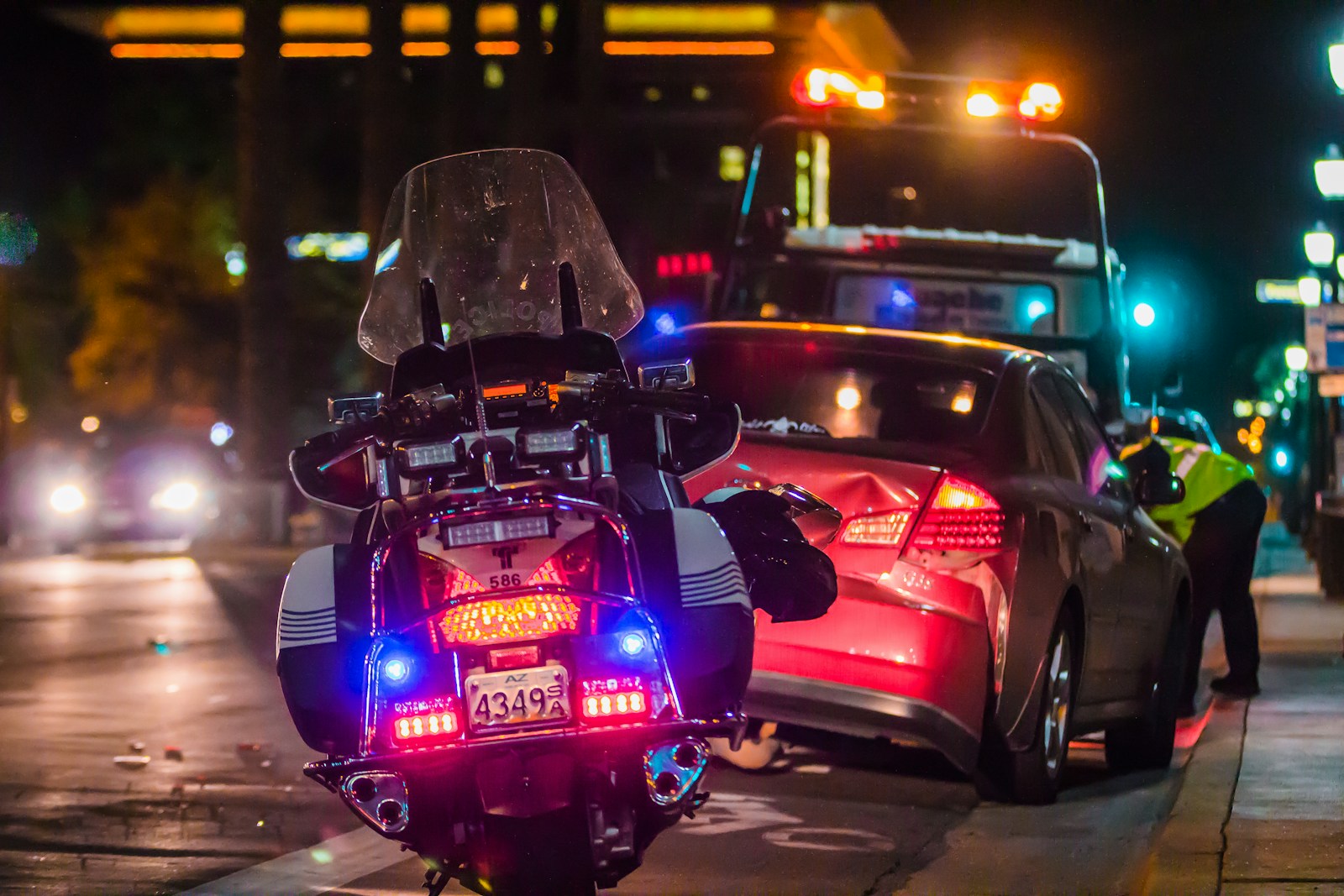

You might have felt the shock of finding your car gone after a traffic stop — no warning, no second chance. Under the new law, officers can tow a vehicle at a first reckless-driving offense, so you could lose your car immediately and face fines and storage fees before you even leave the scene.
This piece will explain how that towing rule works, why some people say they weren’t warned, and how others in the community have reacted to sudden tows. Expect short personal accounts and clear details so you know what this change could mean for you.
How the ‘First-Offense’ Towing Law Works
You can expect immediate vehicle removal, a required fine, and separate towing and storage costs that you’ll need to pay to get your car back. The law removes prior restrictions and changes who can be towed and when.
Immediate Consequences for Drivers
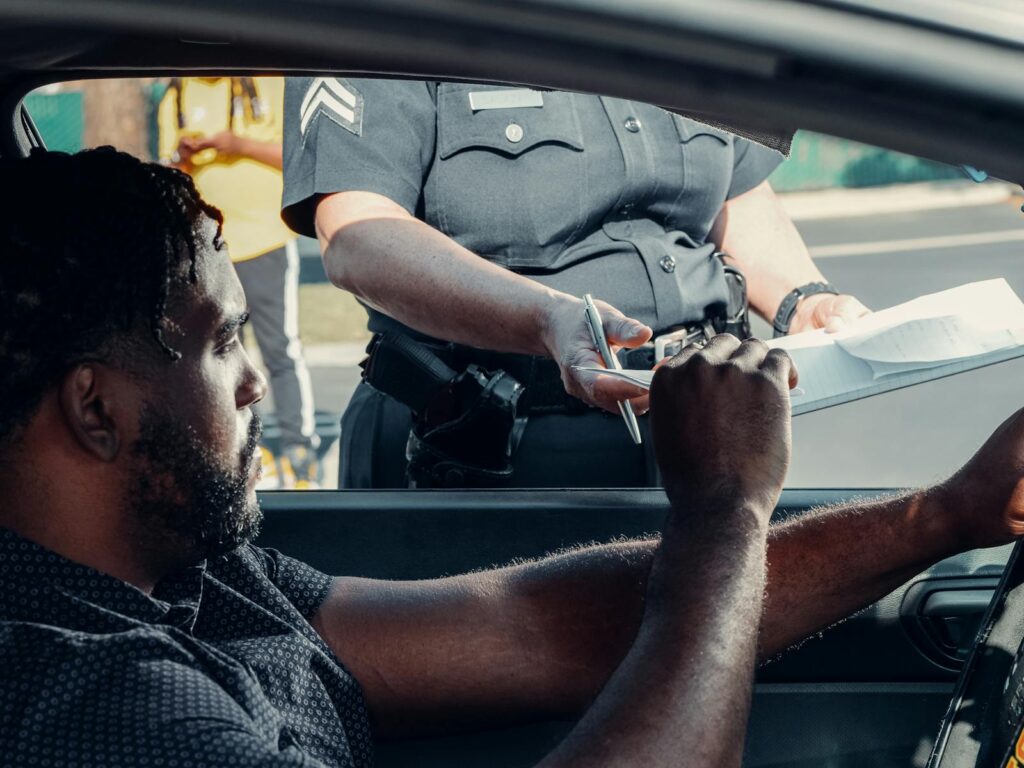
If you’re stopped and cited for reckless driving in Milwaukee, officers can order your vehicle towed on the spot. That means you may be left without your car and must arrange alternate transportation home at the scene.
You will receive a reckless driving citation (a $923 fine under city practice) and a tow record. The Milwaukee Police Department enforces the tow immediately, so your vehicle may be taken to an impound lot before you can contest the ticket in court.
Document checks and officer statements typically occur during the stop. If the car is towed, expect to sign paperwork and be given instructions on where the vehicle was taken and how to retrieve it.
Key Changes From Previous Laws
Previously, towing usually required a second-or-subsequent reckless driving citation plus unpaid fines, and officers could only tow the driver’s own vehicle. The new law removes those conditions.
Now, officers can tow a vehicle on a first offense regardless of vehicle ownership or prior unpaid tickets. That expands enforcement power and lets the Milwaukee Police Department remove more dangerous drivers from the road immediately.
The shift aims to increase deterrence and public safety by making towing a more immediate penalty instead of a back-end sanction applied only to repeat offenders.
Who the Law Applies To
The law applies to drivers cited for reckless driving under state and local definitions—this includes excessive speed, weaving through traffic, and other behaviors officers determine as reckless. It does not require that the driver own the vehicle.
You can be towed if you’re a first-time offender and are driving someone else’s car, renting a vehicle, or driving with a suspended license. Minors and uninsured drivers have also been towed under the new enforcement pattern.
Officers still exercise discretion during stops, but the statutory authority now allows towing in a wider set of circumstances than before. If you think the tow was improper, you must follow impound appeal and retrieval procedures.
Towing and Storage Fees Breakdown
When your car is towed, you pay two separate types of charges: the city’s towing fee and daily storage fees charged by the impound lot. Typical combined costs can run into several hundred dollars beyond the $923 reckless driving fine.
- Tow fee: one-time charge to remove and transport the vehicle.
- Storage fee: charged per day until you reclaim the car.
- Additional fees: administrative hold fees or release processing may apply.
You must produce identification and proof of ownership (or authorization from the owner) to retrieve the vehicle. Unpaid towing and storage fees can keep your car in the lot indefinitely and may require extra legal steps to recover it.
For specific amounts and release procedures, check Milwaukee Police Department impound instructions or the listed impound lot’s billing policy. For a local news overview of how often vehicles have been towed since the law changed, see this report on 47 vehicles towed in Milwaukee under the new law.
Community Reactions and Personal Stories
People in Milwaukee report a mix of anger, relief, and confusion after vehicles were towed under the new law. Some drivers say they received no warning and lost access to their car immediately, while advocates praise the law for sending a stronger message about reckless driving.
Experiences of First-Offense Drivers
You hear from drivers who say the tow came without a clear warning or chance to correct behavior. A 17-year-old cited for driving 44 mph over the limit had no prior record and left the scene without their car; they faced the $923 fine plus towing and storage fees.
Another driver — uninsured and in someone else’s vehicle — described officers ordering the vehicle to be towed on the spot after a reckless-driving citation.
Drivers frequently tell you they weren’t offered alternatives like a citation-only response or a verbal warning.
Several report logistical and financial strain: arranging rides home, paying substantial fees, and, in some cases, not reclaiming the vehicle.
These firsthand accounts highlight how the law changes the immediate practical consequences of a single mistake.
Abbie Strong-Justman’s Advocacy Journey
You learn that Abbie Strong-Justman pushed the change after her husband, Aaron, was killed by a reckless driver. She spoke at the state Capitol in 2023, meeting lawmakers and testifying about the crash that left two children fatherless.
Strong-Justman frames the policy as accountability that might prevent future tragedies. She says towing gives families a tangible consequence to reckless behavior, not just a ticket.
Her advocacy combined personal testimony with public outreach; she worked with community groups and local media to build momentum for the law.
Her story resonates with neighbors who lived through similar losses and motivates some officials to support tougher enforcement.
Role of State Representative Bob Donovan
You find that State Representative Bob Donovan led the effort to expand the towing provisions after the original law underperformed. He told reporters he expected broader use and wanted officers to have clear authority to remove vehicles immediately.
Donovan pushed language that removed requirements tying towing to unpaid fines or vehicle ownership. That change closed enforcement loopholes and let officers tow cars regardless of prior fines.
He speaks publicly about protecting city streets and encouraging police to act when they observe reckless driving.
Donovan’s legislative action directly shaped how Milwaukee police implement the new towing practice.
More from Steel Horse Rides: