
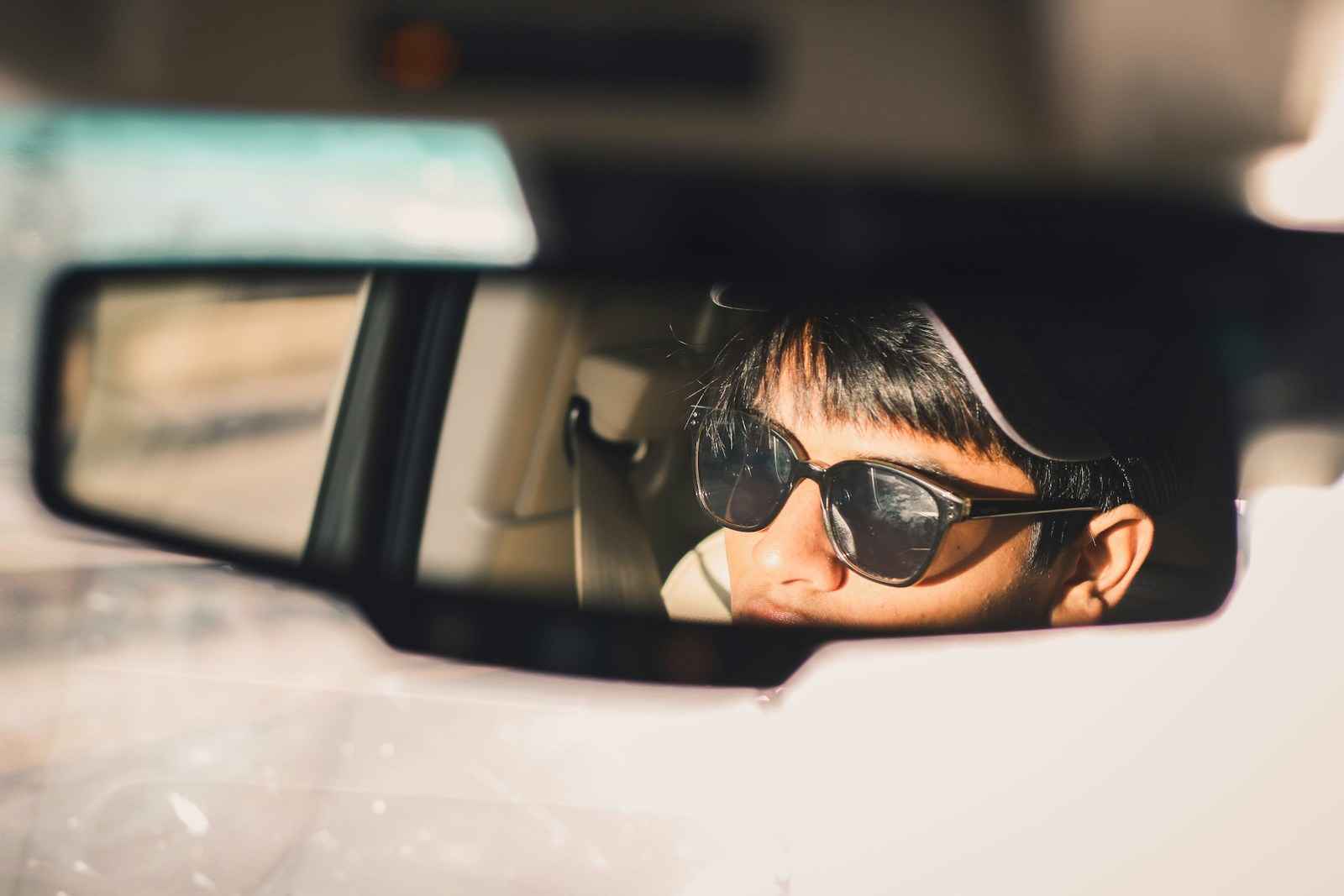

Every March, the clocks spring forward and millions of drivers find themselves squinting into a low sun that was not there the week before. The shift is only an hour, but it is enough to rearrange the entire commute: mornings that were bright become dim again, and evening journeys that felt safe suddenly come with a blinding glare just above the dashboard.
Road safety organisations across the UK have repeated the same advice ahead of the March 2026 clock change: keep a proper pair of sunglasses in the car. It sounds almost too simple to matter, but the data behind the recommendation is hard to ignore.
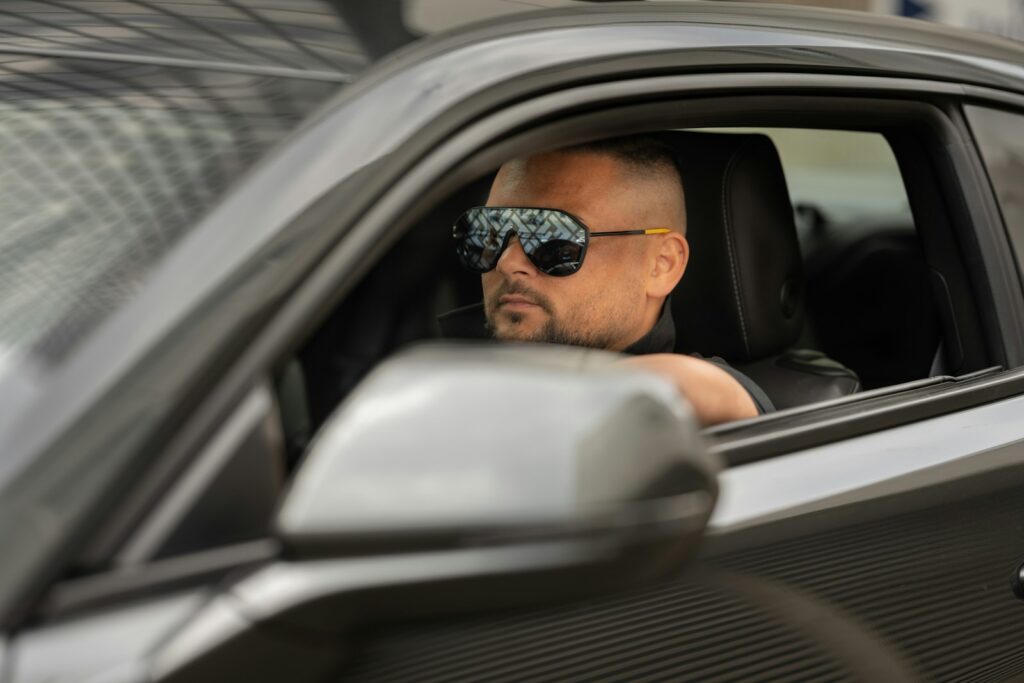
How the clock change reshuffles risk on the roads
When clocks move forward at 1:00 a.m. on the last Sunday of March, the lost hour of sleep is only part of the problem. According to the Royal Society for the Prevention of Accidents (RoSPA), the abrupt change in light conditions catches drivers at their most vulnerable: tired, slightly disoriented, and facing a sun angle they have not driven into for months.
Research from the University of Surrey’s Sleep Research Centre suggests most people need two to three days to fully adjust their circadian rhythm after a one-hour shift. During that window, reaction times slow and concentration dips, particularly on early morning drives when the body still thinks it should be asleep.
Layer that fatigue on top of a sun sitting just above the horizon during rush hour, and the result is predictable. UK Department for Transport road casualty data lists “dazzling sun” as a contributory factor in around 3,000 reported collisions each year in Great Britain. Many of those incidents cluster in the weeks after each clock change, when drivers have not yet adapted to the new light pattern.
The one item safety experts keep recommending
The RAC, AA, and RoSPA have all issued seasonal reminders urging drivers to store sunglasses within arm’s reach before the clocks change. The logic is straightforward: when low sun floods the windscreen, a driver can be effectively blinded for two to three seconds. At 30 mph, that is roughly 40 metres of road covered with almost no visibility.
“Sun glare is one of those hazards people underestimate because it feels like a nuisance rather than a danger,” said a RAC spokesperson in guidance published for motorists. “But the collision statistics tell a different story. A good pair of sunglasses is as important as checking your tyres before a long journey.”
The advice is not limited to the UK. The American Automobile Association (AAA) has flagged sun glare as a significant factor in US crashes during the weeks following daylight saving time transitions, particularly on east-west commuter routes where the sun sits directly in drivers’ line of sight.
What kind of sunglasses actually help behind the wheel?
Not every pair is suited to driving. Optometrists and road safety bodies generally recommend lenses that meet the following criteria:
- UV400 protection. This blocks 99 to 100 percent of UVA and UVB rays. Any reputable pair sold in the UK should carry a CE or UKCA mark confirming this.
- Category 2 or 3 tint. Lens tint categories run from 0 (clear) to 4 (very dark). Category 2 suits variable conditions; category 3 handles bright sun. Category 4 lenses are too dark for driving and are not recommended for use behind the wheel.
- Polarised lenses (with a caveat). Polarisation cuts reflected glare from wet roads and bonnets, which is a real benefit in spring rain. However, polarised lenses can make some LCD screens, including dashboard displays and certain head-up displays, harder to read. Drivers should test their sunglasses with their own car’s instruments before relying on them.
- A frame that does not block peripheral vision. Wraparound styles can reduce side glare, but oversized fashion frames with thick arms may create blind spots. A snug, medium-coverage frame is the safest compromise.
Cheap sunglasses without proper UV filtering can actually make things worse. The tinted lens causes the pupil to dilate, letting in more unfiltered UV light than if the driver wore nothing at all. Spending a little more on a certified pair is worth it.
How glare and fatigue combine after the clocks change
The danger is not just optical. When a driver is already running on less sleep, the instinct to squint or look away from glare becomes more pronounced, and the ability to recover focus afterwards is slower. A 2020 study published in Current Biology found that even mild sleep disruption reduced visual processing speed by up to 14 percent, a margin that matters when a cyclist appears in a patch of shadow just beyond a wall of reflected sunlight.
Commuters on east-west routes are hit hardest. In the mornings, the sun sits directly ahead for eastbound drivers; in the evenings, it does the same for those heading west. After the spring clock change, these peak-glare windows shift to align more closely with rush hour traffic, increasing exposure for the largest number of drivers at once.
Sunglasses will not fix fatigue, but they reduce one major source of visual strain. That frees up cognitive resources for the tasks that actually prevent crashes: scanning mirrors, reading road signs, and anticipating what other road users are about to do.
Simple habits that make sunglasses work harder
Keeping a dedicated pair in the car is the most important step. A case clipped to the sun visor or stored in the centre console means they are accessible without fumbling. Swapping them in and out of a handbag or jacket pocket is how they end up at home on the morning you need them most.
Clean glass matters just as much as clean lenses. A film of dust or grease on the inside of the windscreen scatters light and amplifies glare, especially when the sun hits at a shallow angle. Before the clocks change, it is worth:
- Wiping the inside of the windscreen with a microfibre cloth and glass cleaner.
- Topping up washer fluid so the outside can be cleared quickly on the move.
- Checking that wiper blades are not smearing, which creates streaks that catch the light.
Adjusting the sun visor before setting off, rather than wrestling with it mid-junction, is another small habit that pays off. Some drivers also lower their dashboard brightness in the morning to reduce reflections on the inside of the screen.
Why this small step matters more than it seems
Road safety campaigns tend to focus on speed, alcohol, and seatbelts, and rightly so. But glare is a contributory factor that hides in plain sight. It does not carry the same stigma as drink-driving, so it rarely makes headlines until a coroner’s report mentions it after a fatal collision.
The fix costs less than a tank of fuel. A certified pair of driving sunglasses, stored where they can be grabbed in seconds, addresses a hazard that the Department for Transport links to thousands of crashes every year. As the clocks spring forward in March 2026, that is one piece of advice worth acting on before Sunday morning
More from Wilder Media Group: