
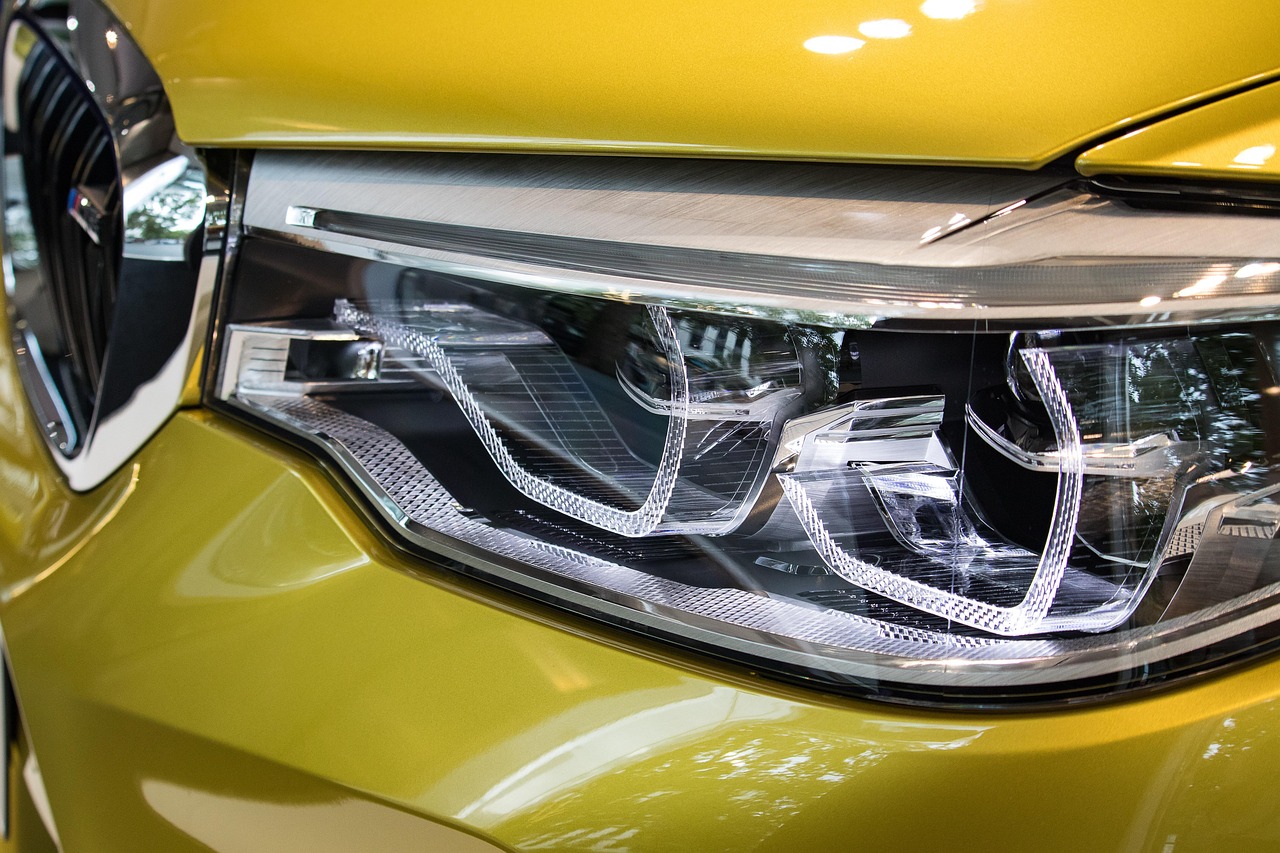

Night driving is starting to feel like staring into a row of stadium floodlights, and drivers are saying it is not just annoying but dangerous. Ultra-bright LED headlamps promise better visibility for the person behind the wheel, yet more people are reporting that the glare is leaving them dazzled, disoriented, and sometimes swerving. As complaints pile up on both sides of the Atlantic, pressure is building on regulators to catch up with the technology and put some sensible limits in place.
The core tension is simple: modern headlights are technically legal, often cutting edge, and marketed as safety upgrades, but the lived experience on real roads tells a different story. From social media campaigns to formal government reviews, the message from drivers is getting louder than the beams themselves, and lawmakers are being pushed to decide how bright is too bright.
Glare on the ground: how drivers describe the problem
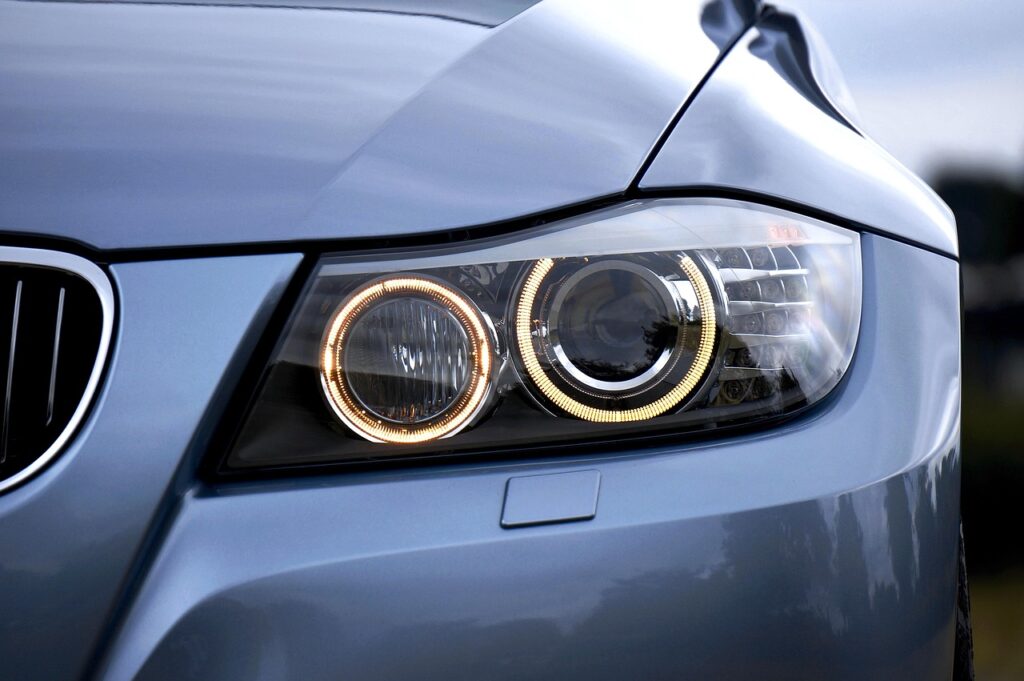
Ask regular commuters about night driving and the same phrases keep coming up: “blinded,” “dazzled,” “white-out.” People in compact cars talk about feeling pinned between the high stance of SUVs and the piercing blue-white of LED projectors, with their mirrors lighting up like searchlights. Online communities have turned that frustration into a running conversation, where posts describe eyes watering on dark rural roads and drivers missing turns because an oncoming beam wiped out everything else in their field of view.
One widely shared thread framed it bluntly as Bright Headlights Crisis, capturing how many people feel that glare has quietly become a mainstream safety issue. Posters there dig into how rules were written for older halogen units and never really anticipated the punchy output and sharp cutoff patterns of LEDs. The tone is half dark humor, half policy critique, but the underlying point is serious: drivers are adapting their behavior, slowing down or avoiding night trips altogether, because they no longer trust that they will be able to see past the next oncoming set of lights.
What the numbers say about “too bright”
Beyond anecdotes, surveys are starting to put hard numbers on just how widespread the frustration has become. In the United Kingdom, one study of 2,000 motorists found that 89% thought some headlights are simply too bright, a figure that is hard to dismiss as a niche complaint. According to that survey, drivers linked the problem directly to modern LED units and to the taller ride height of newer vehicles, which can send light straight into the eyes of people in smaller cars. Following that research, campaigners have argued that the technology is outpacing the rules that are supposed to keep everyone comfortable and safe.
Another piece of research, cited in a separate discussion of glare, echoed that 89% figure and tied it to concerns about crashes and near misses. A social media post summarizing the findings for the RAC audience described how a recent study by the RAC found that almost nine in ten UK drivers feel some vehicle headlights are excessively bright and are worried about the impact of bright headlights on road safety. When nearly everyone in a sample says the same thing, it suggests the issue is not just a few unlucky encounters but a structural shift in how cars are lighting the road.
Why LEDs feel harsher than old-school bulbs
Part of the shock factor comes down to physics and design. LED units pack a lot of light into a compact source, and when they are paired with aggressive projector lenses, the beam can look like a solid bar of white cutting through the dark. That is great for the driver using them, but for someone coming the other way, the concentrated output can feel harsher than the softer, more diffuse glow of older halogens. The color temperature also tends to be cooler, closer to daylight, which the human eye can perceive as more intense even at similar measured brightness.
Regulators have technically allowed this shift. In a formal interpretation, officials explained that under FMVSS No. 108, LEDs are permitted as a light source in integral beam headlamps as long as they meet the same performance requirements as traditional bulbs. That Discussion also reiterated that low and high beam headlamps must be steady burning, which reflects how the standard was written in an era before complex matrix systems. The result is a rulebook that treats LEDs as a drop-in replacement, even though their real-world glare profile can feel very different.
America’s slow pivot to smarter beams
While drivers complain about being dazzled, engineers have been working on a fix that sounds almost too clever: headlights that constantly reshape the beam to avoid shining directly into other road users’ eyes. In other markets, adaptive driving beams have been on the road for years, automatically dimming small sections of the light pattern around oncoming cars while keeping the rest of the road fully lit. For a long time, America lagged behind that curve, in part because its rules required a simple split between low and high beams rather than a dynamic pattern.
That started to change when the National Highway Traffic Safety Administration moved to allow adaptive driving beam headlights in new vehicles, describing the technology as a way to improve safety for drivers and other road users. Earlier, a separate analysis of how the United States fell behind noted that in America, the National Highway Traffic Safety Administration only finalized rules for adaptable high beams after about a decade of work. Auto industry sources in that report pointed out that other regions had already integrated such systems into their standards, which left US drivers stuck with cruder on or off high beams while the rest of the world experimented with more nuanced solutions.
Standard 108 and the call for “less brightness, more logic”
At the heart of the US debate is a dry-sounding document with very real consequences: Federal Motor Vehicle Safety Standard 108. This standard sets the technical requirements for lamps and reflective devices, including how bright headlights can be and how their beams are shaped. Critics argue that while it was updated to accommodate new technologies in some areas, it never put a clear ceiling on the maximum allowable brightness of modern headlamps, especially once LEDs entered the picture.
One detailed critique framed the fix under the banner of Less Brightness, More, and suggested that the first step should be to update Standard 108 with a firm cap on output. The same analysis argued that regulators focused heavily on the geometry of the beam pattern while leaving overall intensity relatively unconstrained, which made it easier for very bright systems to slip through as long as they technically met the lab tests. For drivers who feel like they are being hit with portable suns, that nuance is cold comfort.
Regulators start to revisit the rulebook
Regulatory agencies are not ignoring the complaints. In the United States, officials have been working through petitions that challenge how adaptive beams and other advanced lighting systems are treated under existing rules. A recent notice explained that the government was responding to requests to reconsider the earlier final rule that amended Federal Motor Vehicl safety standards for lamps, reflective devices, and associated equipment, specifically around adaptive systems. That kind of bureaucratic language hides a real fight over how quickly new tech should be allowed on the road and how strictly it should be tuned to protect oncoming traffic.
Across the Atlantic, the UK is moving in parallel. A short video update on social media noted that Government-commissioned research is underway, looking at whether car headlights should be dimmed in the UK. Later reporting added that it is understood the government will propose amendments to international vehicle lighting rules overseen by the United Nations, weighing safety against costs and even pollution. The UK government has gone further by launching a formal probe into modern LED headlights amid rising complaints over glare and poor nighttime visibility, a sign that political leaders now see headlight brightness as a mainstream policy issue rather than a niche gripe.
Local laws, quick fixes, and $100 tickets
While national regulators wrestle with standards, local lawmakers are taking more immediate swings at the problem. Some states are tightening rules on how and when drivers can use their high beams, and what colors and intensities are allowed on public roads. The idea is to curb the worst offenders, such as aftermarket kits that throw out a harsh blue or purple light, without waiting years for federal standards to be rewritten.
In one example, a new state-level “light” law warns that Drivers risk $100 penalties if they use the wrong color or misuse their lights. Another local explainer, written by Sarah Moore, walks through how drivers in Michigan are allowed to flash their high beams and what counts as a legal warning versus harassment. Every driver knows how difficult it can be to see the road when a lifted pickup blasts its brights in the mirror, and these local rules are trying to give police clearer tools to deal with that kind of behavior.
Are aftermarket LED upgrades actually legal?
One big gray area sits on the shelves of auto parts stores and in online marketplaces: plug-in LED replacement bulbs. They promise a quick upgrade for older cars, often advertising huge lumen gains and a crisp white color. The catch is that many of these kits were never tested in the specific housings they end up in, which can turn a carefully engineered halogen reflector into a scattergun of glare. That is where legality and safety start to diverge.
Guidance aimed at consumers spells it out plainly: Legality of LED headlights being considered do not advertise that they are certified or approved by the DOT for on road or street usage, they are not legal for that purpose. That nuance is often buried in fine print, leaving drivers to assume that if a product is widely sold, it must be allowed. In practice, swapping in uncertified LEDs can put a car out of compliance and make the glare problem worse for everyone else on the road.
How other regions and carmakers got ahead
Globally, the story of headlight tech is also a story of regulatory timing. In some markets, carmakers rolled out composite and adaptive systems decades before they reached US showrooms, in part because local rules were more flexible. A short explainer on how the US fell behind notes that in Europe, composite headlights were on the road roughly 30 years before Ford lobbied for them in the United States, highlighting how industry pressure and regulatory caution can slow adoption. The same pattern played out with matrix LEDs, which became common on German and Japanese models abroad while American versions of the same cars stuck with simpler setups.
That gap matters because many of the worst glare complaints involve vehicles that mix cutting edge hardware with older regulatory assumptions. In the UK, for example, a recent update reported that Nearly all drivers say headlights are too bright, and researchers there have pointed out that LED lights used correctly can improve visibility but that headlight regulations need to change. That tension between what the technology can do and what the rules currently require is exactly where the next wave of reforms is likely to land.
What safer night driving could look like
For now, drivers are left to improvise. Some tilt their mirrors down to avoid being dazzled, others slow to a crawl on unlit roads, and a few resort to flashing their own high beams in protest, even though that can escalate the danger. The frustration is understandable, but the long term fix will not come from individual hacks. It will come from a mix of smarter hardware, clearer standards, and better enforcement of the rules that already exist.
More from Wilder Media Group: