


Construction zones just got stricter, and you could face a new fine for holding a phone while driving through them. If you use a handheld phone in marked work or school zones, you now risk a fine and a ticketable offense—so put the device down when you approach orange cones and crews.
This article explains what the law changes mean for your daily drive, how enforcement works, and why the rule aims to protect both workers and people in the community. Expect clear steps you can take right now to avoid fines and drive safer through active work zones.
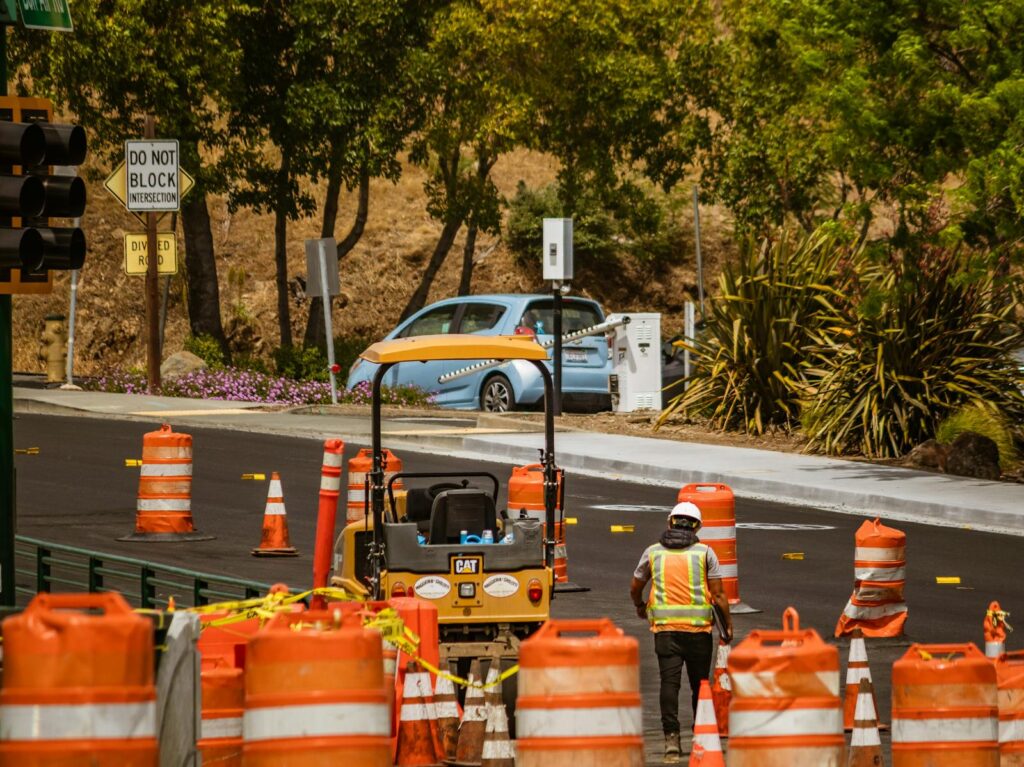
Understanding the New Phone-Use Law in Construction Zones
This law limits handheld phone use in marked construction areas, sets allowed hands-free options, defines who and where it applies, and sets fines for violations.
What House Bill 2263 Enforces
House Bill 2263 makes it illegal to hold a cellphone while driving through active construction zones in Oklahoma. The bill, authored by Rep. Nicole Miller, extends beyond texting to ban any handheld use — calling, browsing, or video — when you’re behind the wheel in those zones.You may still use voice-operated systems, Bluetooth, Apple CarPlay, or Android Auto as long as the device is mounted or fully hands-free. Officers enforce the rule only when zones are active and properly marked; temporary work areas with signs qualify.
The statute focuses on reducing distraction where road workers and changed traffic patterns increase risk. It does not create a blanket statewide handheld ban outside active zones.
Who and Where the Law Applies
The law applies to any driver operating a motor vehicle in an active, marked construction zone anywhere in Oklahoma. That includes Tulsa drivers and visitors passing through state highways, municipal projects, and private contractors’ work areas when official signs indicate an active zone.
“Active” typically means workers present, lane shifts, or posted reduced speeds. You must obey when signs, cones, or flaggers mark the area. Law enforcement will target zones with visible work activity rather than inactive or purely future-project signs.
Certain vehicle classes or emergency responses may have exceptions; check local enforcement guidance. Cities cannot weaken the law but may coordinate signage and enforcement with state agencies.
Permitted and Prohibited Phone Use
You may use hands-free features: voice commands, Bluetooth calling, and apps through a mounted system like Apple CarPlay or Android Auto. You may also make emergency calls to 911 or contact emergency services if needed.
Holding your phone for dialing, texting, reading navigation, or any manual interaction is prohibited while driving through an active zone. Passengers may use devices, but you remain responsible for any handheld use if you handle the phone.
If you need to physically use your phone, pull safely out of the active zone or stop in a designated area off the roadway. Using watches or other wearable devices in a way that requires manual interaction may also fall under the ban.
Penalties and Fines for Violations
Violators face a fine — commonly reported at $100 for a first offense under the law — without adding points to your driving record in most cases. Repeat offenses can lead to higher fines and more aggressive enforcement, depending on local ordinances.
Enforcement usually follows observed handheld use in an active zone; officers may issue citations on the spot. Privacy protections generally prevent warrantless phone searches; police need probable cause or a warrant to access phone contents.
If you dispute a ticket, the citation will outline court procedures and any potential for reduced fines through traffic school or mitigation in your jurisdiction. Check local police or municipal websites for exact fine amounts and appeal steps.
Why This Law Matters for Drivers and the Community
This change affects how you use your phone near work zones, school areas, and other high-risk spots. It changes enforcement, potential fines, and what behavior officials will prioritize from drivers in Tulsa and elsewhere.
Reducing Distracted Driving in High-Risk Areas
You face greater risk when you handle a phone in construction or school zones because reaction time matters more where workers or children are present. The law specifically bans holding or using a handheld device in marked work and school zones, so putting your phone away or using hands-free options reduces the chance you’ll miss lane reductions, flaggers, or a stopped bus.
Enforcement shifts from warnings to monetary penalties after the grace period, which makes compliance more likely. That translates into fewer sudden lane changes and clearer driver attention where speed differentials and pedestrian presence are highest. For Tulsa drivers, aligning city rules with state law narrows confusion about where handheld use is allowed.
Protecting Privacy and Digital Rights
You can still use hands-free features and mounted navigation, but the ban on handheld use limits what personal data you share in transit. When officers ticket for phone handling, they generally focus on the act of holding or manipulating a device, not the device’s contents. That reduces the chance an interaction will lead to broader digital searches during routine stops.
However, automated enforcement or camera-based systems raise questions about image capture and how long data is kept. If your area adopts automated tickets in addition to manual enforcement, check local policies for retention periods and who can access footage. Knowing these rules helps you protect your information while staying compliant.
Impact on Crash Rates and Public Safety
Evidence from states that strengthened handheld bans shows measurable drops in certain crash types near schools and work zones. For you, that means a lower probability of rear-end collisions and sideswipes caused by inattention when lanes shift or workers step into traffic. Expect incremental safety gains rather than instant elimination of crashes.
Municipal alignment—like Tulsa updating fines and enforcement—helps first responders and planners allocate resources more predictably. Reduced distraction also eases traffic flow during peak construction activity, which can shorten delays and lower secondary crash risks. Your consistent compliance contributes directly to safer streets for workers, students, and other drivers.
More from Steel Horse Rides: