

A single night is all it takes. A rat climbs a tire, slips into the engine bay and spends a few hours gnawing through wiring that controls everything from airbags to fuel injection. By morning the car won’t start, the dashboard is lit up with warnings, and the owner is facing a repair bill that can run into the thousands. As of early 2026, mechanics, insurers and attorneys across the country describe rodent damage to vehicle wiring not as a fluke but as a recurring and increasingly expensive problem, one that newer cars may actually be making worse.
The issue has drawn class-action lawsuits, forced insurers to clarify policy language and pushed drivers into a growing market of deterrent products. Here is what is driving the damage, what it costs and what owners can realistically do about it.
Why rodents target modern car wiring
Rats and mice have incisors that never stop growing. According to the Internet Center for Wildlife Damage Management, a rat’s front teeth can grow roughly four to five inches per year if left unworn, which means the animal must gnaw on hard surfaces constantly to keep them functional. Wiring insulation, plastic housings and rubber hoses all serve that purpose.
What has changed in recent years is the material itself. To reduce petroleum use, many automakers shifted to wire coatings that incorporate soy, rice husks or other plant-based compounds. Michael H. Parsons, a visiting research scholar at Fordham University who studies urban rat ecology, told Kelley Blue Book that soy-based insulation can attract rodents because it doubles as both a chewing surface and a potential food source. The result: a well-intentioned sustainability improvement that has made engine bays more appealing to the very animals most likely to destroy them.
Toyota, Honda, Subaru and Kia are among the brands named in consumer complaints, though no single manufacturer is immune. A search of NHTSA’s complaint database turns up hundreds of rodent-related wiring reports across makes and model years, suggesting the problem is industry-wide rather than limited to one supplier or design.
From warning lights to totaled cars: the real cost
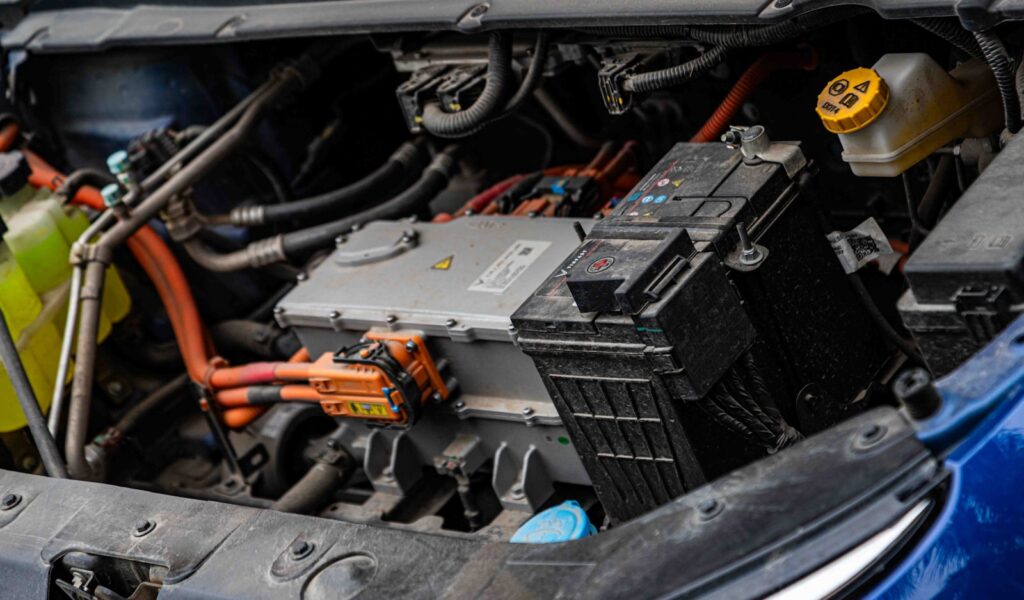
For most owners, the first clue is electrical. A car parked over a long weekend comes back with an illuminated check-engine light, erratic ABS warnings or an airbag fault code that seems to appear from nowhere. Technicians at a Michigan dealership described the pattern to the Detroit Free Press: vehicles arriving with “mystery ailments” that, on closer inspection, traced back to nests, droppings and chewed harnesses under the hood.
Minor damage, a few gnawed wires that can be spliced and re-taped, might cost $200 to $800 at an independent shop. But when rodents shred an entire wiring harness or reach the cabin through the firewall, the bill escalates fast. Consumer reports and repair-shop estimates compiled by Christian Brothers Automotive show that replacing a full engine harness in a sensor-heavy modern vehicle can exceed $6,000 in parts and labor. In extreme cases, insurers have deemed rodent-damaged cars a total loss when the wiring repair cost approached the vehicle’s market value.
The expense is amplified in cars loaded with advanced driver-assistance systems. Adaptive cruise control, lane-keeping assist and automatic emergency braking all depend on wiring that runs from sensors in the bumper and windshield back to control modules. A single chewed connection in that chain can disable safety features the driver may not realize are offline until they are needed.
Lawsuits, insurance fights and who pays
Frustrated owners have taken the issue to court. In one of the most prominent cases, a class-action lawsuit filed against Toyota alleged that soy-based wire insulation effectively baited rodents into damaging vehicles and that the automaker should bear responsibility. Toyota responded with a statement, reported by ABC affiliate WPVI, calling rodent damage “an industry-wide issue” not specific to any single brand or model. The case was ultimately dismissed, with the court finding that the automaker had no duty to rodent-proof its wiring.
Attorney Brian Kabateck, whose Los Angeles firm has represented plaintiffs in similar suits, has argued that using materials attractive to rodents amounts to a design defect. “If you build a car with wiring that smells like food to a rat, you’ve created a problem that didn’t need to exist,” Kabateck told reporters. So far, however, no U.S. court has held an automaker liable on those grounds.
On the insurance side, the answer depends entirely on the policy. Comprehensive coverage, the optional portion that handles events like theft, vandalism and natural disasters, typically pays for rodent damage minus the deductible. Liability-only policies do not. Drivers who carry only the legal minimum often discover the gap only after a breakdown. The Insurance Information Institute recommends that vehicle owners review their comprehensive coverage limits and deductibles, particularly if they park outdoors or in areas with known rodent activity.
How rodents get in and what they destroy
A rat can squeeze through an opening the size of a quarter. Mice need even less, roughly the diameter of a dime. Technicians quoted by the Detroit Free Press explained that rodents climb tires, enter through wheel wells and exploit gaps around steering columns and wiring pass-throughs in the firewall. A vehicle that sits for just a few days in a driveway or garage can become a nesting site.
Once inside, the damage extends well beyond wiring. Rodents shred hood insulation and cabin air filters for nesting material, gnaw through coolant hoses and brake lines, and contaminate air intakes with urine and droppings. Christian Brothers Automotive warns that nests built near exhaust manifolds or catalytic converters pose a fire risk, while chewed airbag wiring can silently disable a system that the dashboard may not flag until the next ignition cycle.
Electric vehicles add another layer of concern. EVs carry high-voltage battery cables alongside conventional 12-volt wiring, and their quieter operation may make parked vehicles feel like safer shelter to rodents. No large-scale study has yet quantified whether EVs suffer more or less rodent damage than combustion vehicles, but EV-specific forums and service bulletins from brands like Tesla and Rivian show the problem is not limited to gas-powered cars.
Prevention: what actually works
No single product eliminates the risk, but a layered approach significantly reduces it. Pest-control professionals and automotive technicians generally agree on a few fundamentals:
Environment first. Keep garages clean and free of food sources. Pet food bags, birdseed and open trash cans near a parking spot are invitations. Terminix recommends sealing garage entry points, setting snap traps along walls and removing clutter that provides cover.
Regular inspection. Pop the hood every week or two, especially after the car has been parked for several days. Look for droppings, acorn shells, shredded fabric or any material that does not belong. Catching activity early can prevent a $200 problem from becoming a $6,000 one.
Physical deterrents. Honda began selling capsaicin-infused rodent-resistant tape (part number 4019-2317) through its dealers after complaints spiked. The tape wraps around wiring and uses the active ingredient in hot peppers to discourage chewing. Aftermarket versions are available from automotive parts retailers. Wire-loom covers and mesh screens over air intakes add additional barriers.
Lights and sound. Some owners install LED strips or battery-powered lights under the hood, reasoning that rodents prefer dark, undisturbed spaces. Ultrasonic emitters marketed as rodent deterrents are widely sold, though peer-reviewed evidence of their effectiveness is limited. The University of Arizona Cooperative Extension notes that ultrasonic devices may offer short-term disruption but rarely provide lasting control on their own.
Move the car. Vehicles that sit in one spot for days or weeks are far more likely to attract nesting rodents. Even repositioning the car within a driveway every few days can discourage animals from settling in.
None of these steps is foolproof, and drivers in areas with heavy rodent populations may still face damage despite their best efforts. But the combination of a clean environment, routine checks and targeted deterrents remains the most practical defense available, and it costs far less than a single harness replacement.
“`
More from Wilder Media Group: