
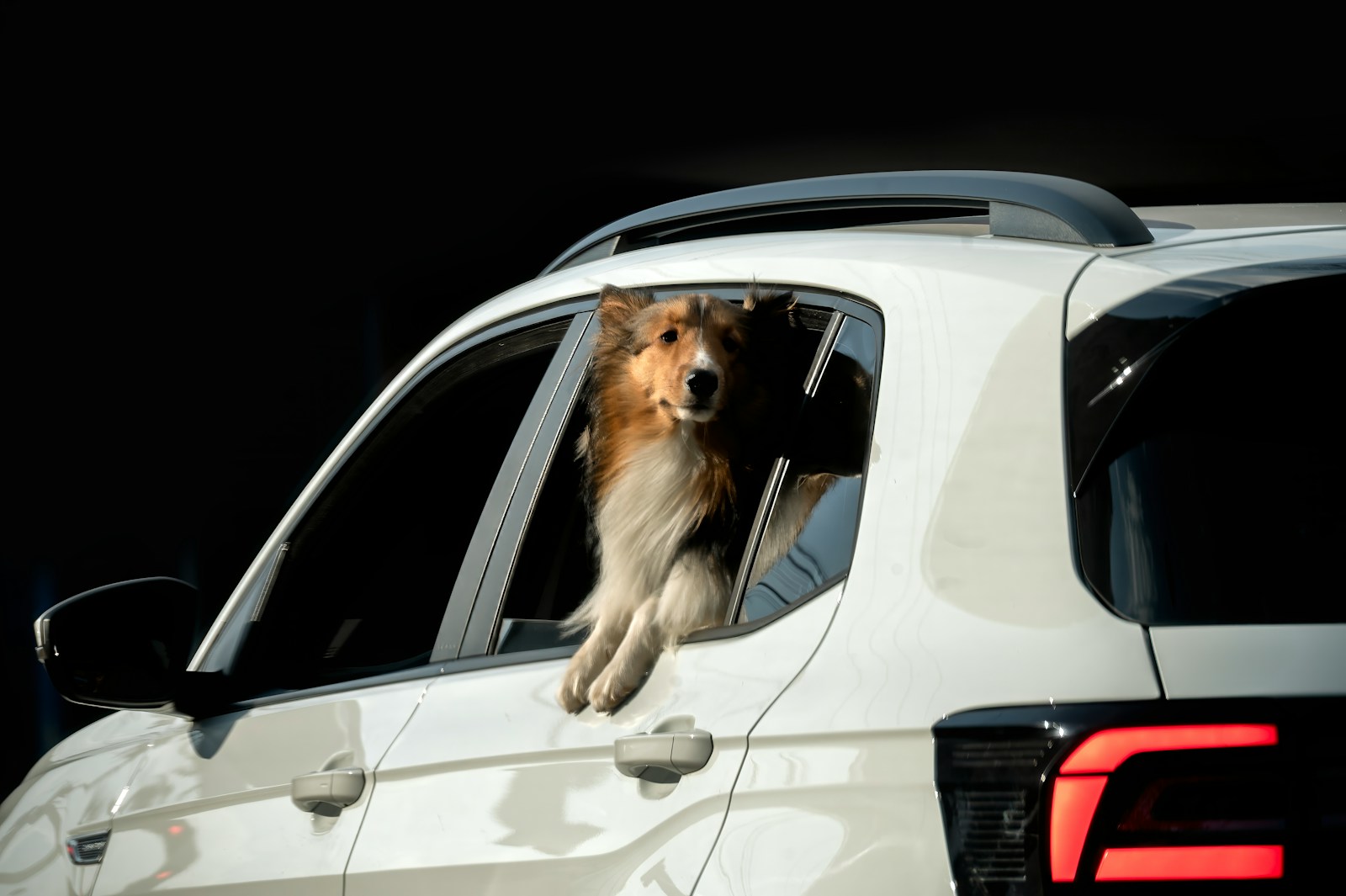

According to a AAA survey, roughly 56 percent of dog owners have driven with their pet in the car at least once a month, and nearly one in five admitted to using a hand or arm to steady the animal during a stop. Most of those trips end without incident. But mechanics, insurers, and veterinary organizations are increasingly warning that the cumulative toll of an unrestrained dog in a vehicle goes well beyond muddy paw prints, sometimes running into thousands of dollars in electrical, cosmetic, and safety-related repairs.
The risk is not hypothetical. Chewed wiring harnesses, clawed leather, scratched paint, and triggered dashboard warning lights are showing up in repair shops often enough that the topic has moved from niche pet forums into mainstream automotive and insurance guidance.
How a bored dog becomes a four-figure repair bill
A widely shared case from a Toyota service technician, reported by The Sun’s motors desk, described four chewed cables found beneath a passenger seat. The damage had caused intermittent electrical faults that the owner initially assumed were a factory defect. The technician estimated that dog-related wiring repairs in similar cases can run up to $1,300, particularly when airbag circuits or seat-occupancy sensors are involved, because those systems require extensive disassembly to access and test.
That figure is not as unusual as it sounds. Modern vehicles route dozens of wire looms under seats and through door sills, areas a dog left loose in the cabin can reach easily. Once a harness is compromised, technicians often have to pull trim panels, seats, and carpet to trace every affected circuit. The labor, not the replacement wire, is what inflates the bill. A single chewed airbag connector, for example, can trigger a persistent warning light that will not clear until the entire circuit is verified intact.
Scratches, drool, and the slow grind on resale value
Even a dog that never touches a wire can do significant cosmetic damage over time. A cost breakdown published by Vertu Motors, one of the UK’s largest dealership groups, estimated that pet-related cosmetic repairs can total more than £1,800 (roughly $2,300 at recent exchange rates). Exterior scratches from claws were priced at about £80 each, and the report noted that multiple scratches around door edges and quarter panels are common on cars belonging to dog owners.
Inside the cabin, the damage accumulates more quietly. Claws catch and tear leather seats, pull threads from fabric upholstery, and scuff plastic door cards. Dried drool, left on painted surfaces or glass, can etch into clear coat in direct sunlight, sometimes requiring machine polishing or spot repainting to correct, according to detailing professionals at the International Detailing Association.
Then there is the resale hit. Embedded pet hair, lingering odor, and visible claw marks are among the first things dealership appraisers notice during a trade-in inspection. Kelley Blue Book’s vehicle condition guidelines factor interior wear heavily into valuations, and a cabin that smells like a wet dog or shows obvious animal damage will typically be graded down at least one condition tier.
When pet damage crosses into safety territory
Cosmetic problems are frustrating. Safety problems are dangerous. The American Veterinary Medical Association advises that pets should always be secured in a crash-tested crate or harness attached to the vehicle’s restraint system, ideally in the back seat or cargo area. An unrestrained animal can block pedals, interfere with the gear selector, or distract the driver at a critical moment.
In a collision, the physics get worse. Progressive Insurance notes that an unrestrained pet becomes a projectile, with force proportional to its weight multiplied by the speed of impact. A 60-pound dog in a 35 mph crash exerts roughly 2,700 pounds of force, enough to injure or kill a human passenger.
The CDC’s guidance on traveling with animals reinforces the restraint message and adds another warning: never leave a pet in a parked car, even briefly. Interior temperatures can spike to lethal levels within minutes on a warm day, a scenario that often ends with a broken window, an emergency vet bill, and potential animal cruelty charges depending on the state.
In the UK, there is a regulatory dimension as well. Garage owners have warned that pet-related damage, such as chewed seatbelt webbing or dashboard warning lights caused by gnawed wiring, can contribute to MOT inspection failures (the UK’s annual roadworthiness test, similar to state vehicle inspections in the U.S.). While U.S. inspection requirements vary by state, the underlying point holds: compromised restraints and malfunctioning warning systems are safety defects regardless of what caused them.
Simple gear that prevents expensive repairs
Prevention costs a fraction of what repair does. The core toolkit recommended by insurers and veterinary organizations comes down to three things: a secure restraint, a physical barrier, and washable covers.
Restraints: Progressive recommends using sturdy carriers or crates that can be secured with a seatbelt, or crash-tested harnesses that clip directly into the vehicle’s latch system. The Center for Pet Safety, a nonprofit research organization, maintains a list of crash-tested products that have passed independent testing, a useful starting point since many pet harnesses sold online have never been tested at all.
Barriers and covers: A hammock-style seat cover that hooks over the front and rear headrests can shield an entire back seat from claws, fur, and drool. Direct Auto’s pet safety guide suggests pairing covers with a boot liner for SUVs and a folding ramp for older or large dogs, which reduces the frantic scrambling that causes most exterior scratches around the tailgate and rear bumper.
Routine checks: After any trip with a pet, a quick look under the seats and along door sills for chew marks or displaced wiring takes less than a minute and can catch damage before it cascades into an electrical fault.
More from Wilder Media Group: