
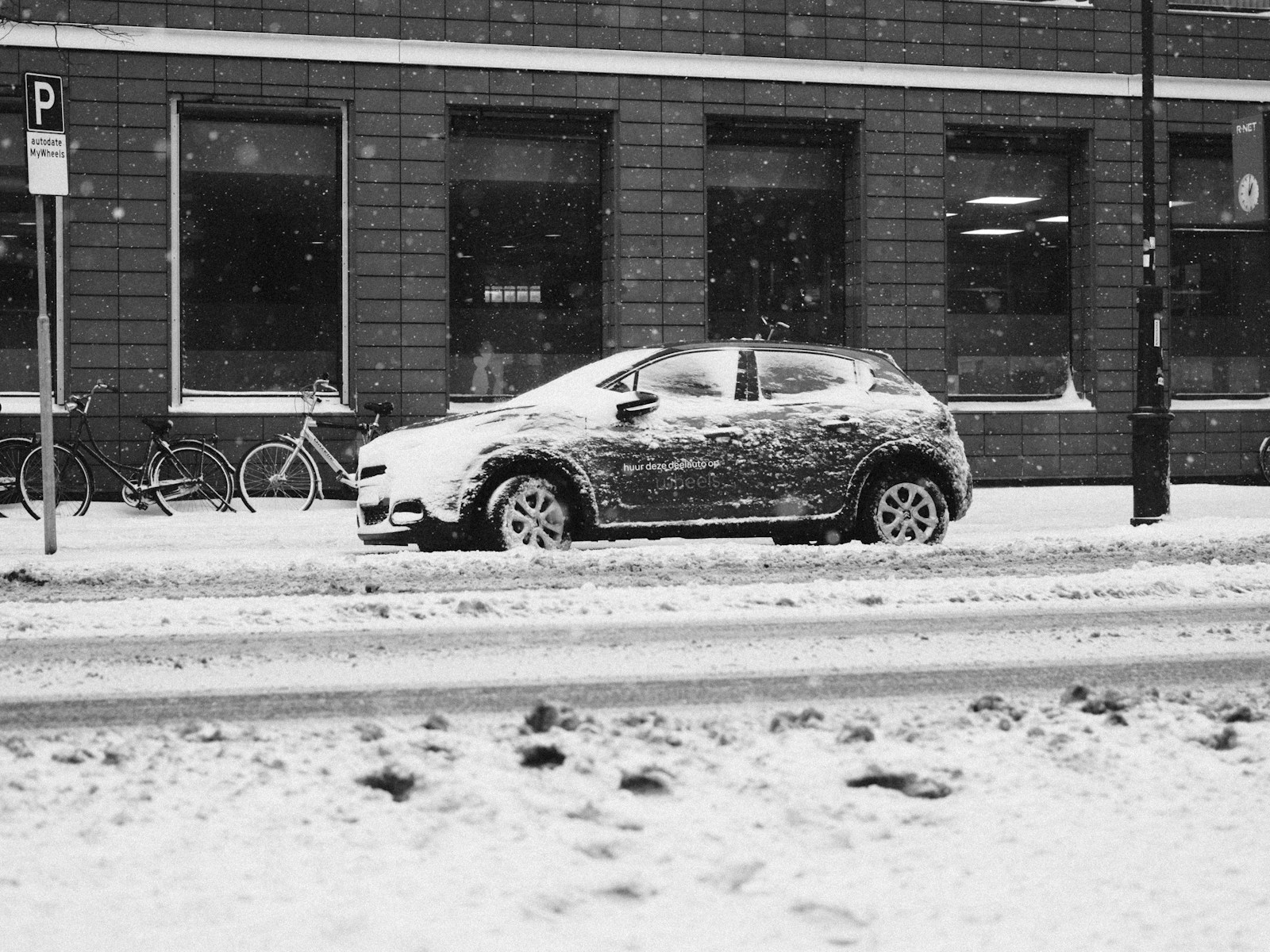

The first working Monday of the year is shaping up to be less back-to-business and more breakdown bingo, with roadside patrols bracing for a spike in dead batteries, non-starts and stranded commuters. As drivers pile back onto the roads after the Christmas lull, motoring organisations are warning that the combination of idle cars, cold weather and a full-throttle return to routine could leave thousands stuck at the kerb. That so-called “Manic Monday” traffic rush is arriving just as winter travel chaos and stormy skies are already testing people’s patience.
For anyone who has left the car untouched for days while hunkering down at home, the risk is simple: the vehicle might not be as ready for the new work year as its owner is. A little planning before that first commute could be the difference between a smooth start and an awkward call to the boss from the hard shoulder.
Why “Manic Monday” sends breakdown numbers soaring
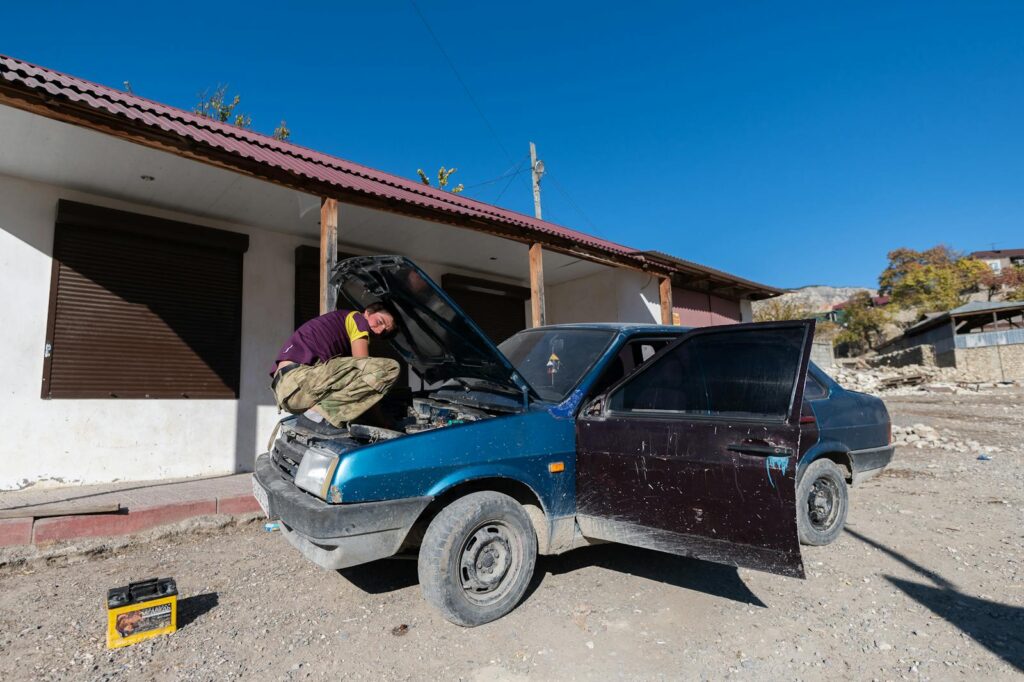
Roadside teams are quietly circling the first working Monday on their calendars, because experience tells them it is when the phones light up. Patrol data shows that the first working Monday of the year consistently produces a surge in callouts, with one major assistance provider warning that hundreds of thousands of incidents each year are linked to the same root cause. In recent guidance, experts highlighted that Battery issues have long been the number one reason for RAC breakdowns, and that pattern is expected to repeat as workers head back to the office. After days of short trips or no trips at all, alternators have had little chance to recharge tired batteries, so that first twist of the key on “Manic Monday” can easily be the last straw.
The warning is not just about national averages; it is playing out locally as well. In Kent, for example, officials have urged Motorists to prepare their vehicles ahead of the predicted spike, pointing out that the same pattern of idle cars and cold mornings applies across the county. Similar alerts have gone out in Worcester, where patrols are seeing Cars left unused over Christmas struggle to start, particularly when flat batteries meet low temperatures. Multiplied across thousands of driveways, that adds up to a grid of frustrated drivers and busy tow trucks.
The AA’s warning and what drivers keep getting wrong
Against that backdrop, the AA has been blunt: Drivers should prepare themselves for car breakdowns on the first working Monday of the year, because the organisation expects a sharp rise in vehicles that simply will not start. Earlier guidance described how Jan 5 has been dubbed one of the worst days for non-starts, with call centres fielding a wave of people who walk out to their car, turn the key and get nothing. A separate briefing framed the First Monday back at work as a likely trigger for another wave of breakdowns, again driven largely by vehicles not starting after a long festive lay-off.
The advice from patrols is surprisingly simple, yet often ignored. Ahead of Manic Monday, the AA has urged motorists to check their battery health and watch for slow cranking, which can be an early sign that cold weather is finishing off an already weak unit. Tyres should be inspected to ensure tread is above the 1.6 mm legal limit, and pressures should be corrected after the temperature drop. Fluids, including oil and coolant, need a quick look, particularly on older cars that may have sat through the holidays without a top-up. These basic checks are the sort of thing drivers promise themselves they will do “next weekend”, but skipping them is exactly how a routine commute turns into a breakdown statistic.
Holiday hangovers, winter storms and how to stay moving
The timing of “Manic Monday” also collides with a wider winter travel crunch, which means help might take longer to arrive if something does go wrong. Over the Presidents Day weekend, from February 14 to 16, travellers are already being warned to expect heavy disruption from a winter storm that could snarl roads and delay flights, with carriers such as Spirit Airlines preparing for knock-on effects across major hubs. Guidance for that period has stressed the need for flexible plans, extra time at airports and a backup route home, and the same mindset helps drivers facing the first big commute after Christmas. As one survival guide for that weekend makes clear, winter storm disruption does not respect calendars, so anyone relying on their car should assume the weather will have a say.
There are also quieter factors that feed into the breakdown spike. During lockdowns, many owners learned the hard way that short, infrequent trips can flatten a battery faster than expected, and maintenance tips from that period still apply now. Simple habits such as taking the car for a longer run once a week, using a smart charger on vehicles that sit for long stretches and avoiding leaving interior lights on can all reduce the chances of a “click and nothing” moment on the driveway. For drivers in Kent, Worcester or any other patch of the country, the pattern is the same: a little attention before the First Monday back at work is far easier than waiting at the roadside while everyone else crawls past in the Manic Monday rush.
More from Wilder Media Group: