


Electric vehicles are increasingly popular due to their efficiency and environmental benefits. As consumers consider switching to electric cars, maintenance requirements become a key factor in their decision.
Electric cars generally require less maintenance than traditional gas-powered vehicles, making them a practical choice for minimizing upkeep costs over time. This article highlights electric vehicles known for their low maintenance needs, helping buyers identify models that offer reliability with fewer service demands.
Tesla Model 3
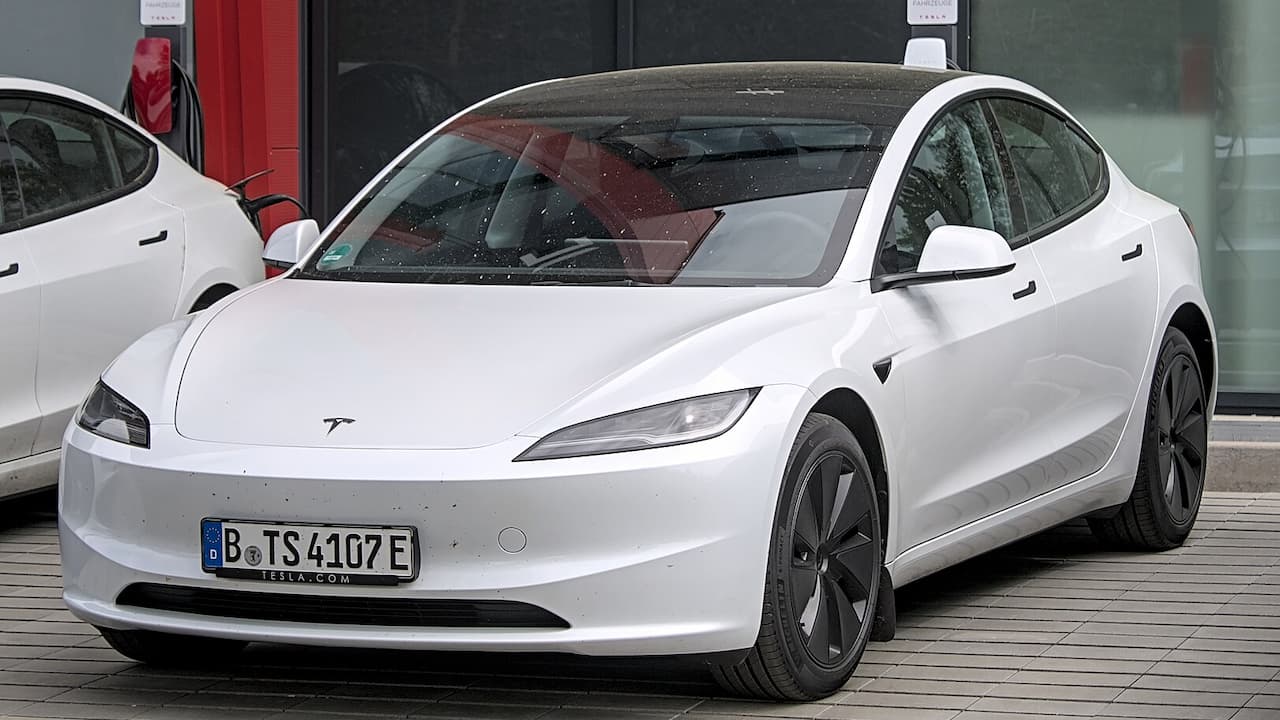
The Tesla Model 3 requires significantly less maintenance than traditional combustion engine vehicles. It does not need oil changes, transmission fluid, or spark plug replacements.
Brake fluid checks are recommended every two years, and tire wear is often the most common maintenance item.
Owners report low repair costs and minimal issues even after tens of thousands of miles. Annual maintenance expenses typically range between $250 and $500.
Nissan Leaf
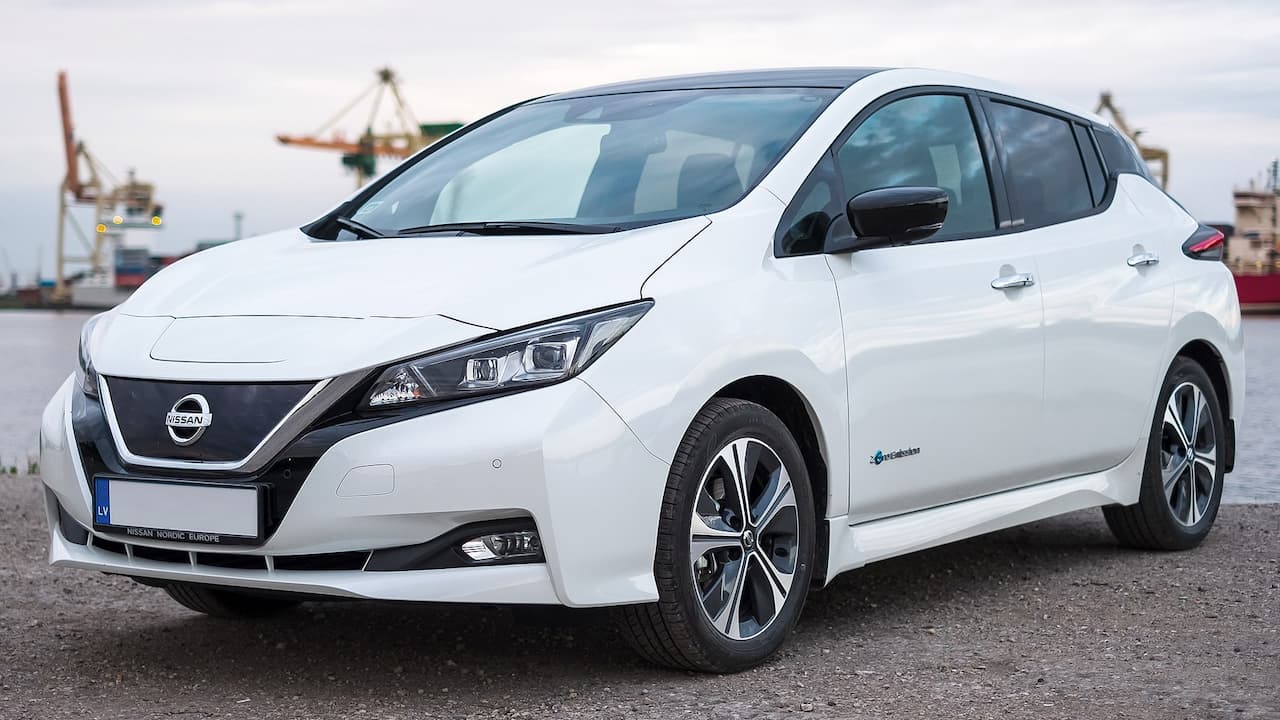
The Nissan Leaf is known for its minimal maintenance requirements compared to traditional vehicles. It primarily needs routine checks like tire rotations, brake fluid changes, and cabin air filter replacements.
The electric motor and battery reduce the need for oil changes or complex engine repairs. Scheduled maintenance follows the guidelines in the owner’s manual and is supported by specialized EV technicians.
Chevrolet Bolt EV
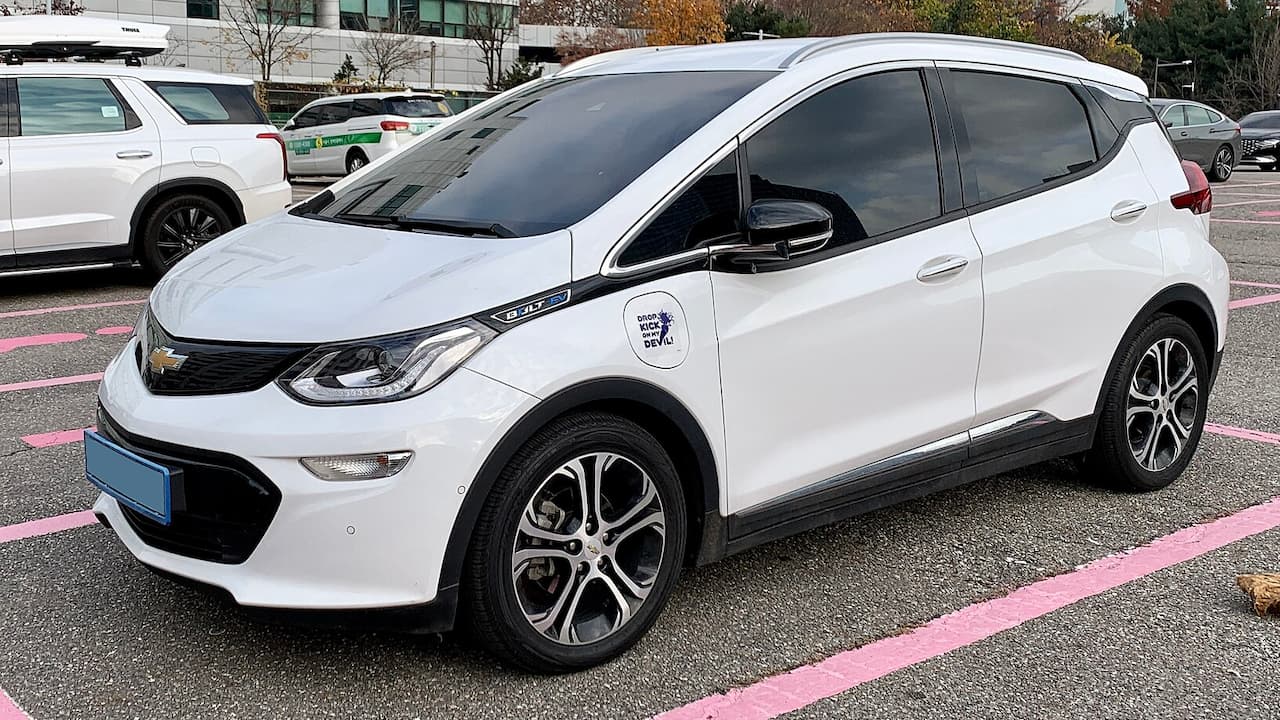
The Chevrolet Bolt EV requires minimal maintenance, especially during the first 150,000 miles. Routine services primarily include tire rotations, cabin air filter replacement, and fluid checks.
There are no oil changes needed, and the fuel cost is nearly zero since it runs on electricity. Occasional inspections of the 12-volt battery and coolant system are recommended.
Owners typically experience low maintenance costs, making the Bolt EV a practical option for those seeking reliability and reduced upkeep.
Hyundai Kona Electric
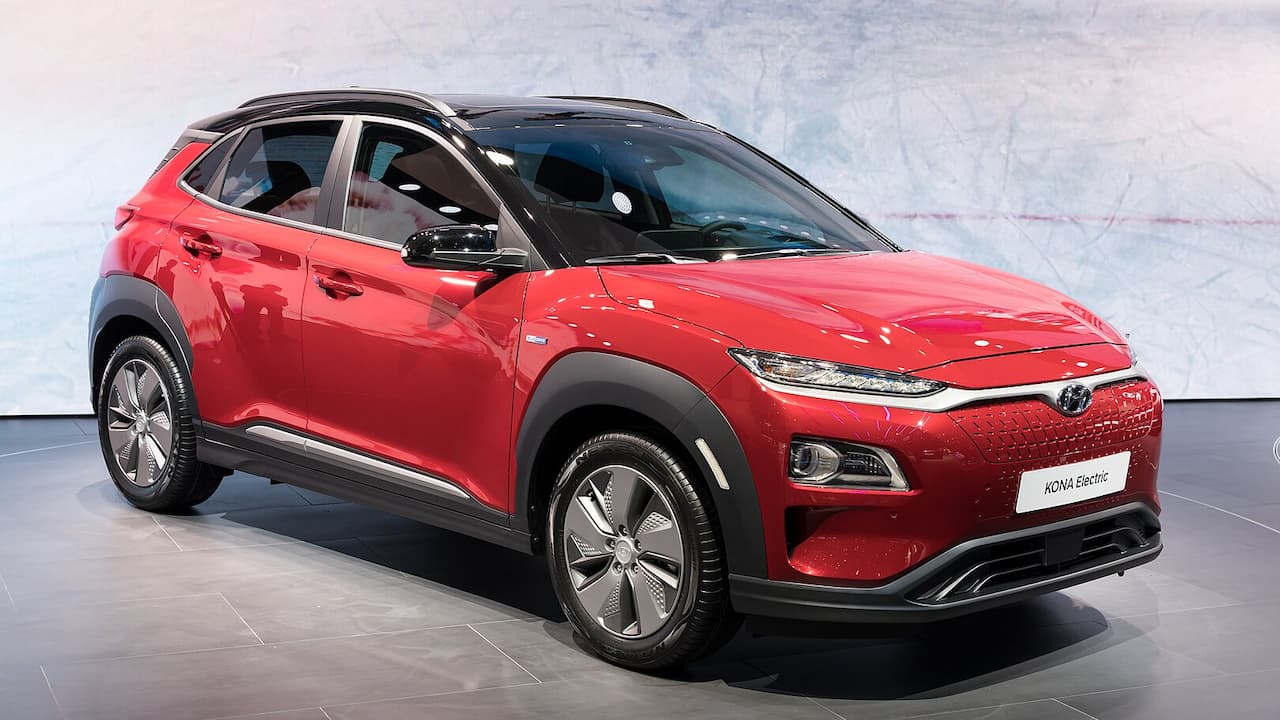
The Hyundai Kona Electric is a compact SUV known for its reliable electric drivetrain and an EPA estimated range of 261 miles. It requires less frequent maintenance compared to traditional vehicles, with typical service intervals set at every two years.
While it still needs regular checks, such as tire and brake inspections, its electric system reduces the need for oil changes and other conventional upkeep. Some dealers may recommend annual service for additional peace of mind.
Kia EV6
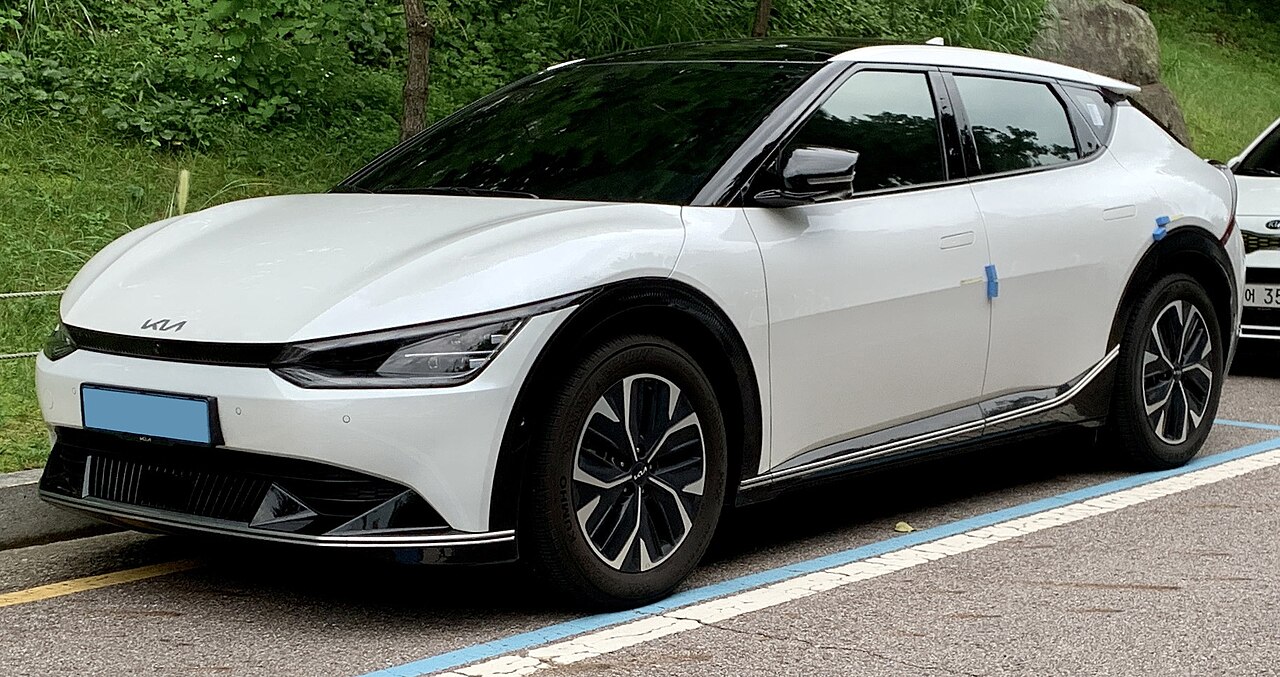
The Kia EV6 requires minimal maintenance compared to traditional vehicles. Regular tasks include changing the cabin air filter and performing annual check-ups.
Its drivetrain features sealed gear reduction units that generally do not need service, unlike conventional transfer cases or differentials. Tire rotations, brake inspections, and fluid level checks remain important for optimal performance.
Ford Mustang Mach-E
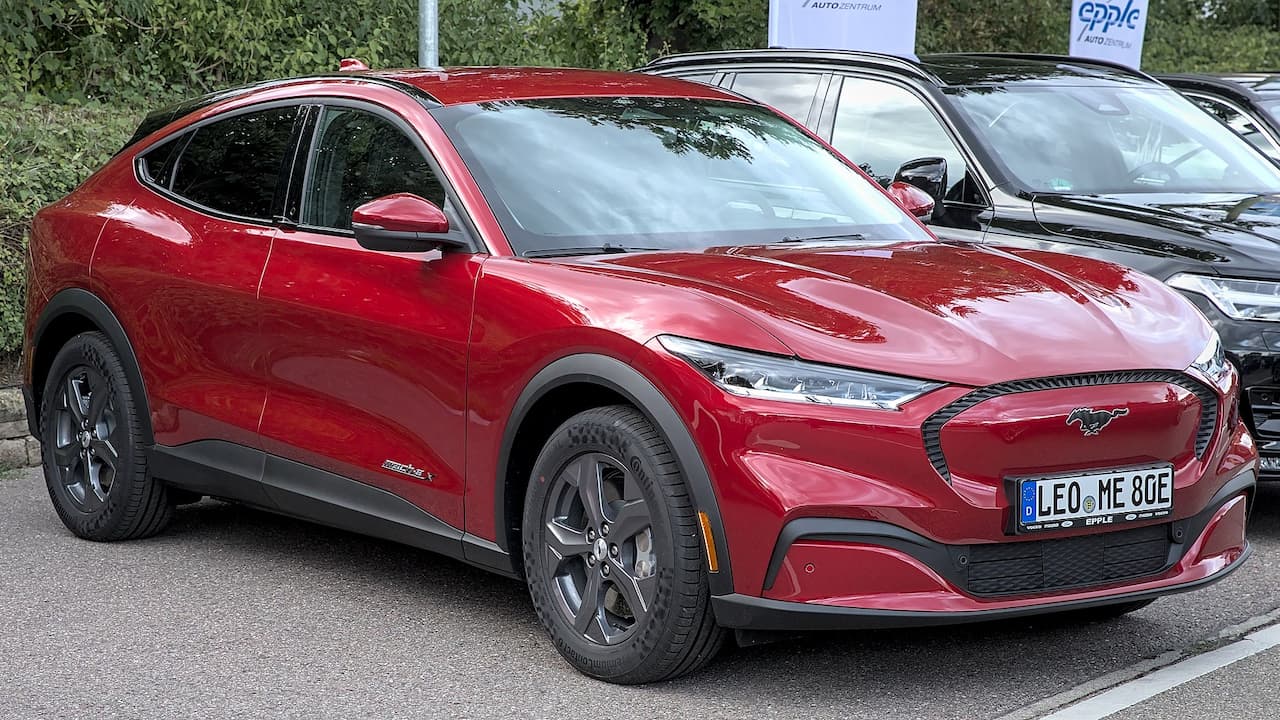
The Ford Mustang Mach-E requires minimal maintenance compared to traditional vehicles. Basic inspections, including tire checks and visual system reviews, are recommended every 10,000 miles.
At 40,000 miles and every 20,000 miles thereafter, more thorough service is suggested. The electric drivetrain reduces the need for oil changes and many mechanical repairs common in gas vehicles.
Hyundai Ioniq 5
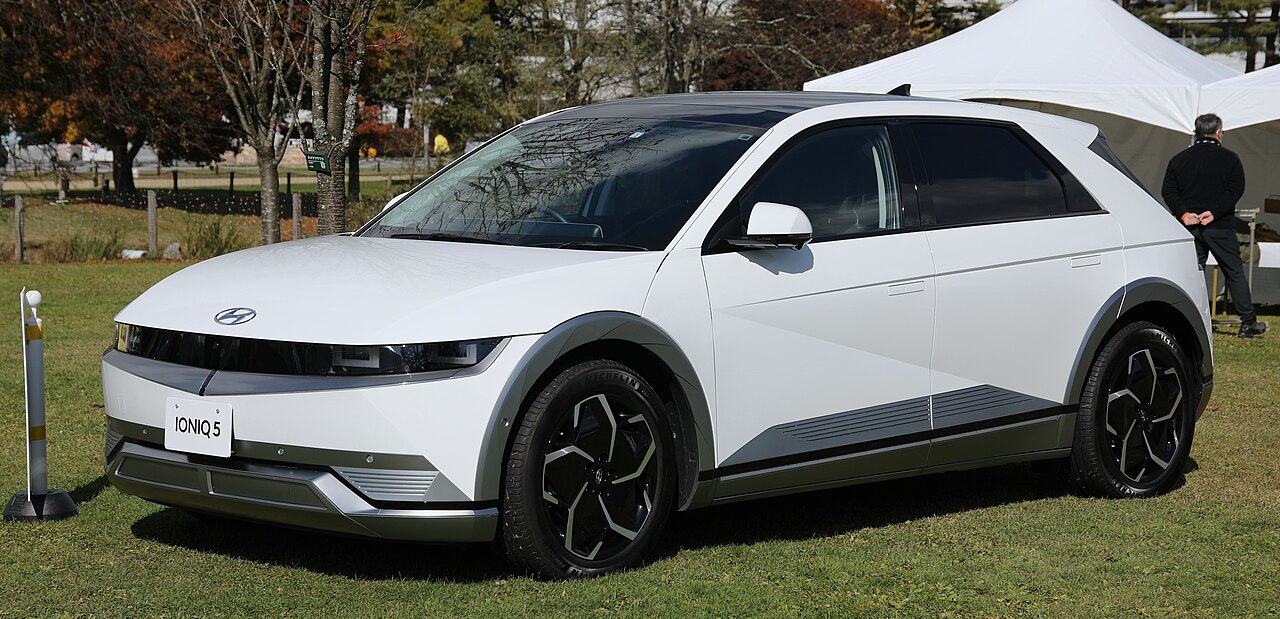
The Hyundai Ioniq 5 is an electric SUV known for its efficiency and low maintenance needs. It offers an EPA-estimated range of 303 miles and up to 320 horsepower.
Routine maintenance focuses on basic checks like coolant system service and high-voltage battery inspection every 60,000 miles.
Though it has fewer moving parts than traditional cars, some users report higher costs for specialized services, which typically require a Hyundai dealer.
Volkswagen ID.4
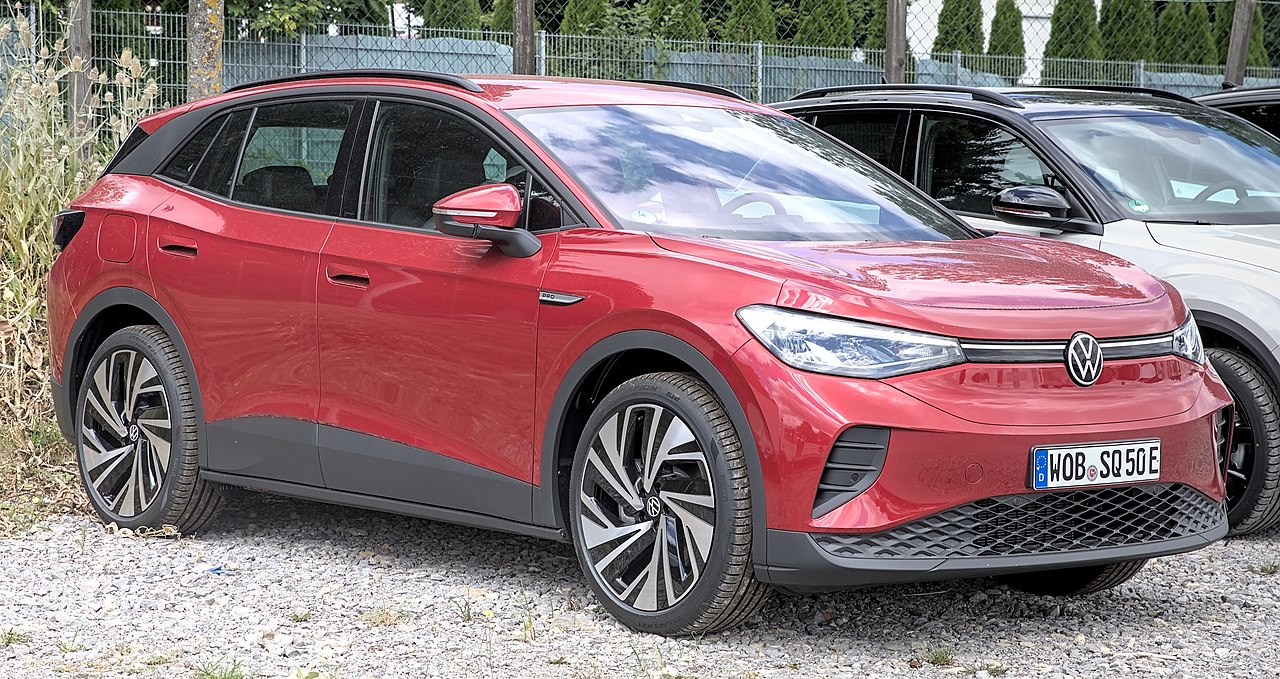
The Volkswagen ID.4 requires minimal maintenance compared to traditional vehicles. Regular checks include coolant level inspections every 20,000 miles.
Brake fluid replacement is recommended every 20,000 miles, while the transmission fluid typically changes at 40,000 miles. Routine upkeep also involves tire changes, wiper replacements, and fluid top-ups like windshield washer fluid.
Its simple maintenance schedule reduces long-term service costs and supports reliable daily use.
BMW i3
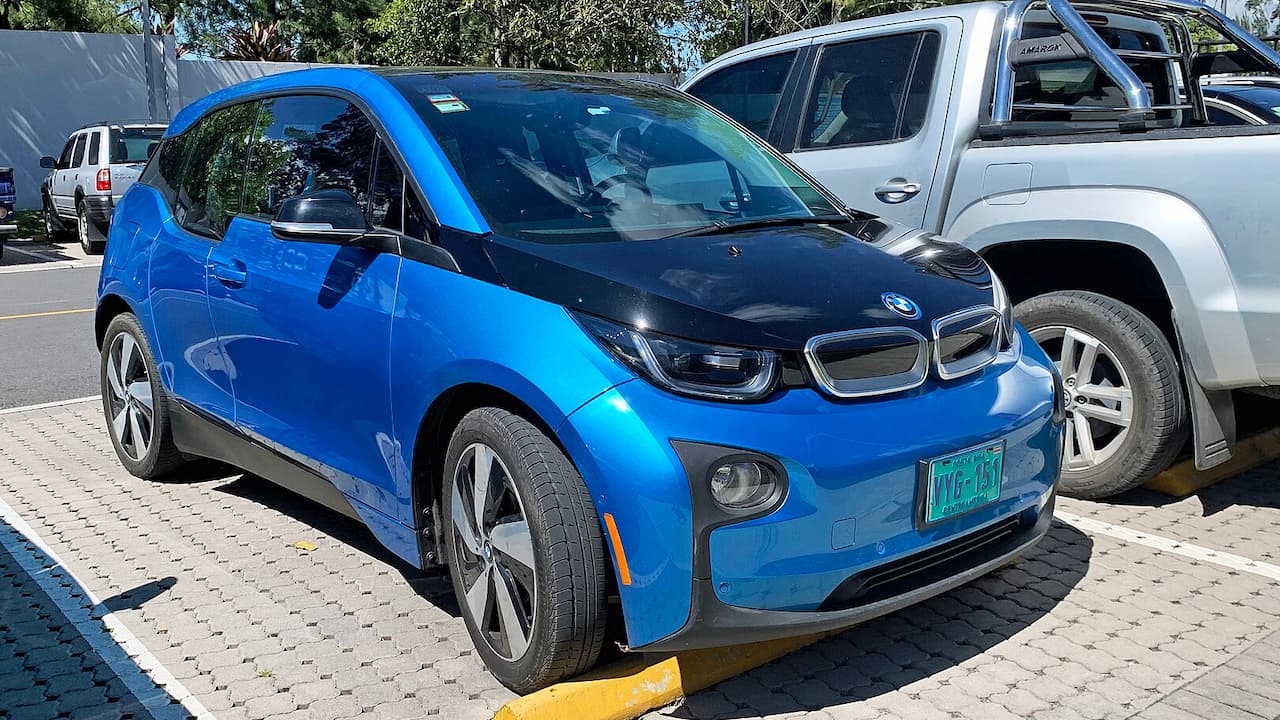
The BMW i3 requires minimal maintenance compared to traditional vehicles. It mainly needs brake fluid and cabin ventilation filter changes every two years or about 20,000 miles.
Other routine checks, like basic mechanical inspections, help ensure reliability but are generally straightforward. The electric powertrain reduces the need for frequent service, making the i3 a low-maintenance option among electric cars.
Audi e-tron
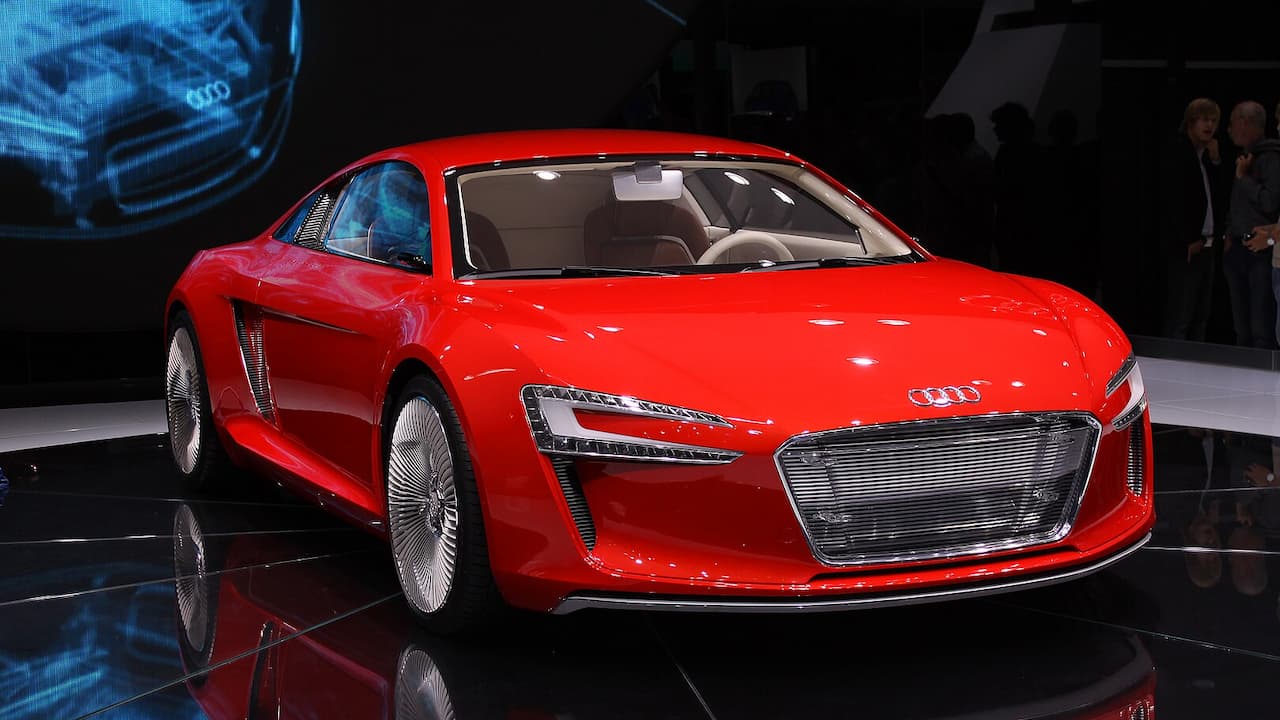
The Audi e-tron is a fully electric luxury SUV designed with durability in mind. It requires minimal maintenance compared to traditional vehicles, with no regular oil changes needed.
Annual minor maintenance includes checks on tires and brakes, along with fluid replacements every 20,000 miles. Its electric motor system reduces wear on components, helping keep maintenance costs lower over time.
Jaguar I-PACE
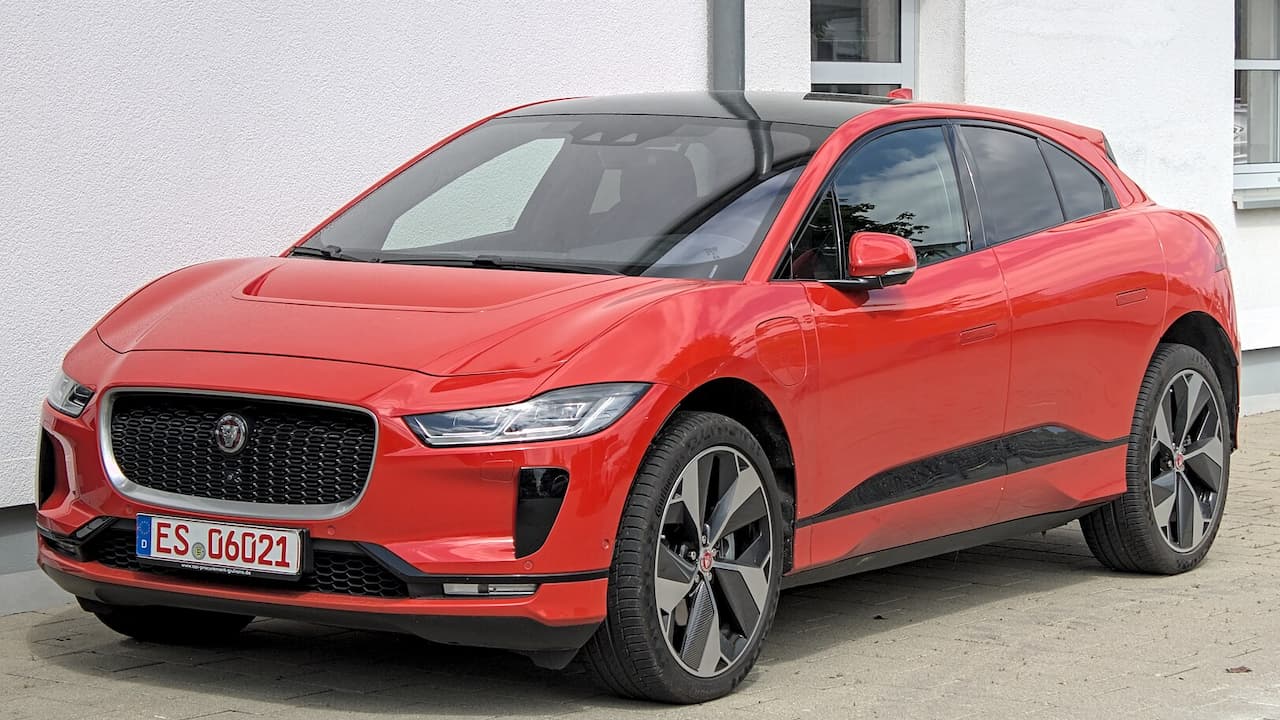
The Jaguar I-PACE is an all-electric SUV known for its dual-motor powertrain, delivering 394 horsepower and 512 lb-ft of torque. It accelerates from 0 to 60 mph in about 4.5 seconds.
Maintenance for the I-PACE is generally lower than traditional vehicles due to fewer moving parts. Routine services include brake hose renewal at 63,000 miles or six years, with flexible maintenance intervals.
The 90 kWh battery comes with an 8-year or 100,000-mile warranty, reducing concerns over long-term battery health.
Polestar 2
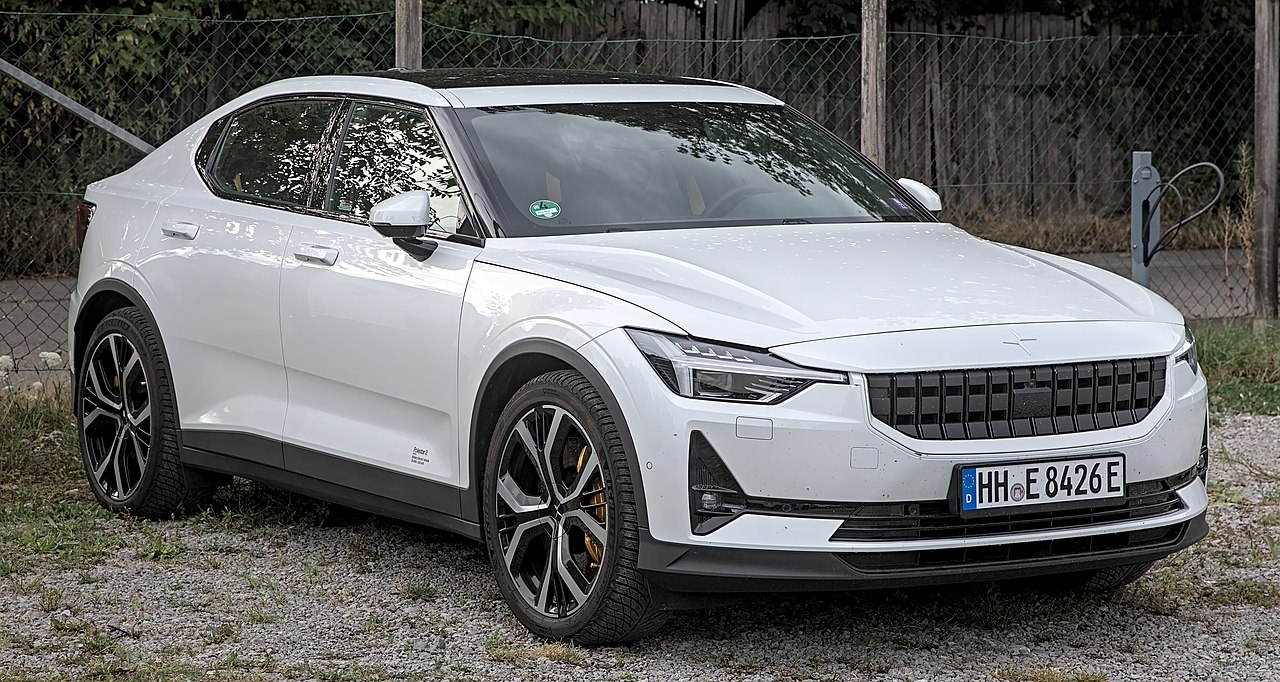
The Polestar 2 is an electric vehicle designed for low maintenance. It generally requires service only every two years or 30,000 kilometers.
The car’s onboard diagnostics alert drivers to any additional service needs. Routine maintenance includes tire rotation, brake fluid replacement, and cabin air filter changes.
Its 79.0-kWh battery supports a 254-mile range, reducing frequent service visits related to the powertrain compared to combustion vehicles.
Mercedes-Benz EQC
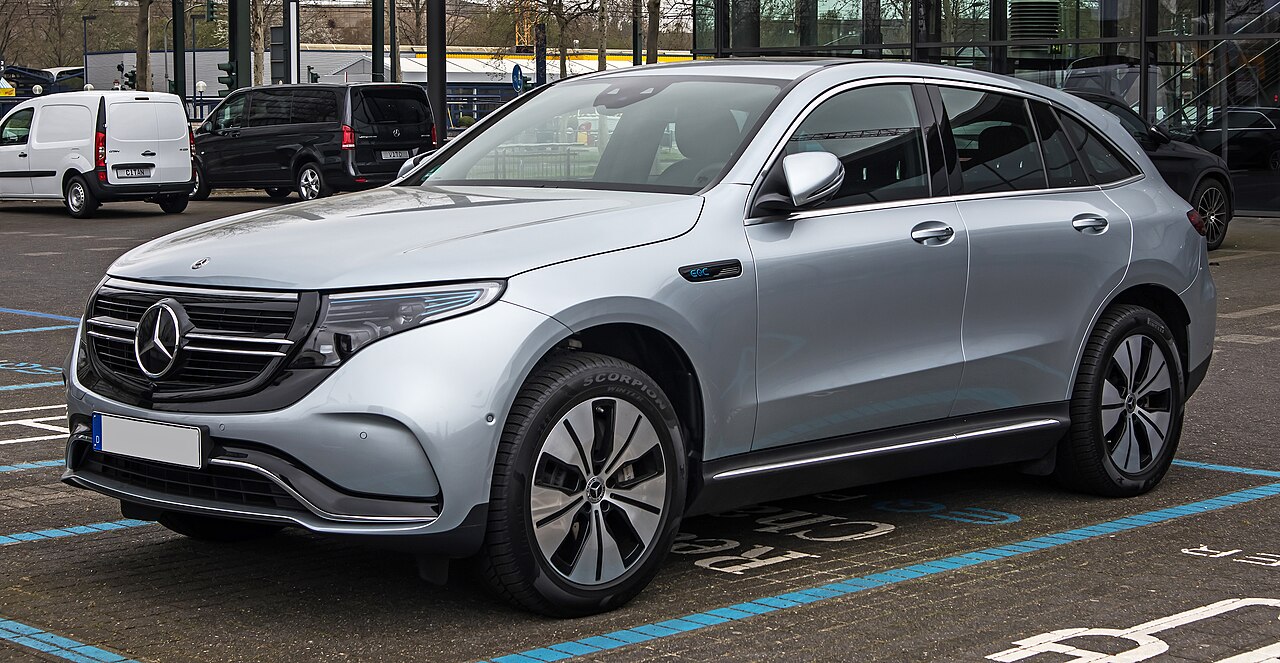
The Mercedes-Benz EQC features an all-electric drive system that reduces maintenance needs by eliminating many traditional engine components. It requires routine checks like brake lining inspection and filter changes, but lacks typical combustion engine upkeep.
Its range and charging speed are average compared to newer EVs, partly due to using a modified internal combustion platform. This limits cargo space and interior room but maintains dependable performance with fewer moving parts to service.
Rivian R1T
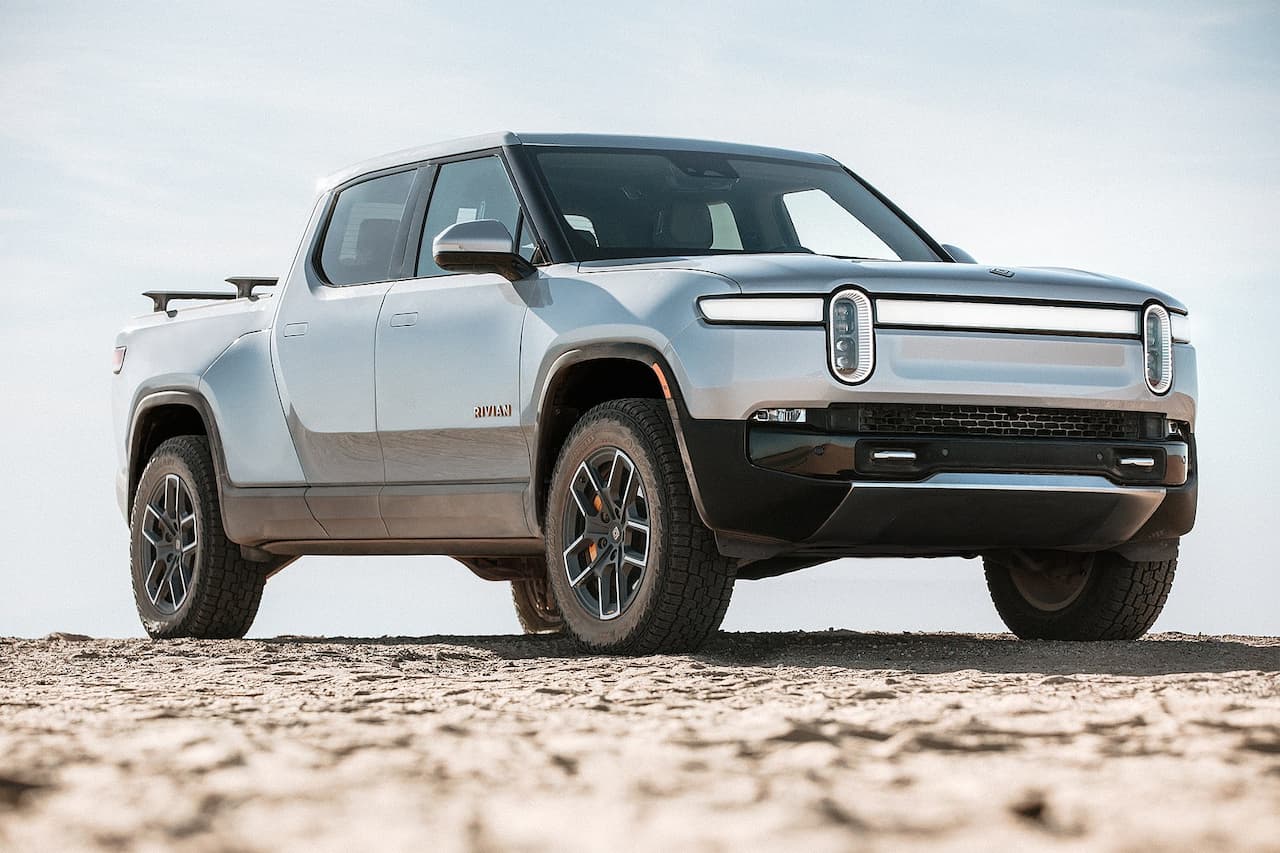
The Rivian R1T requires minimal routine maintenance compared to traditional vehicles. Owners typically perform tire rotations, windshield washer refills, and air filter changes.
It does not need oil changes, smog checks, or regular brake jobs. Maintenance centers focus on inspections and software updates.
This reduces average upkeep costs and time spent on servicing. The R1T suits those wanting an electric truck with simpler maintenance.
Lucid Air

The Lucid Air offers advanced electric performance with minimal routine maintenance. It does not require oil changes, spark plug replacements, or timing belt services.
Brake wear is reduced due to regenerative braking, extending brake life. Coolant maintenance is only necessary if a leak or an issue arises.
Its electric powertrain simplifies upkeep compared to traditional vehicles, contributing to lower maintenance demands over time.