
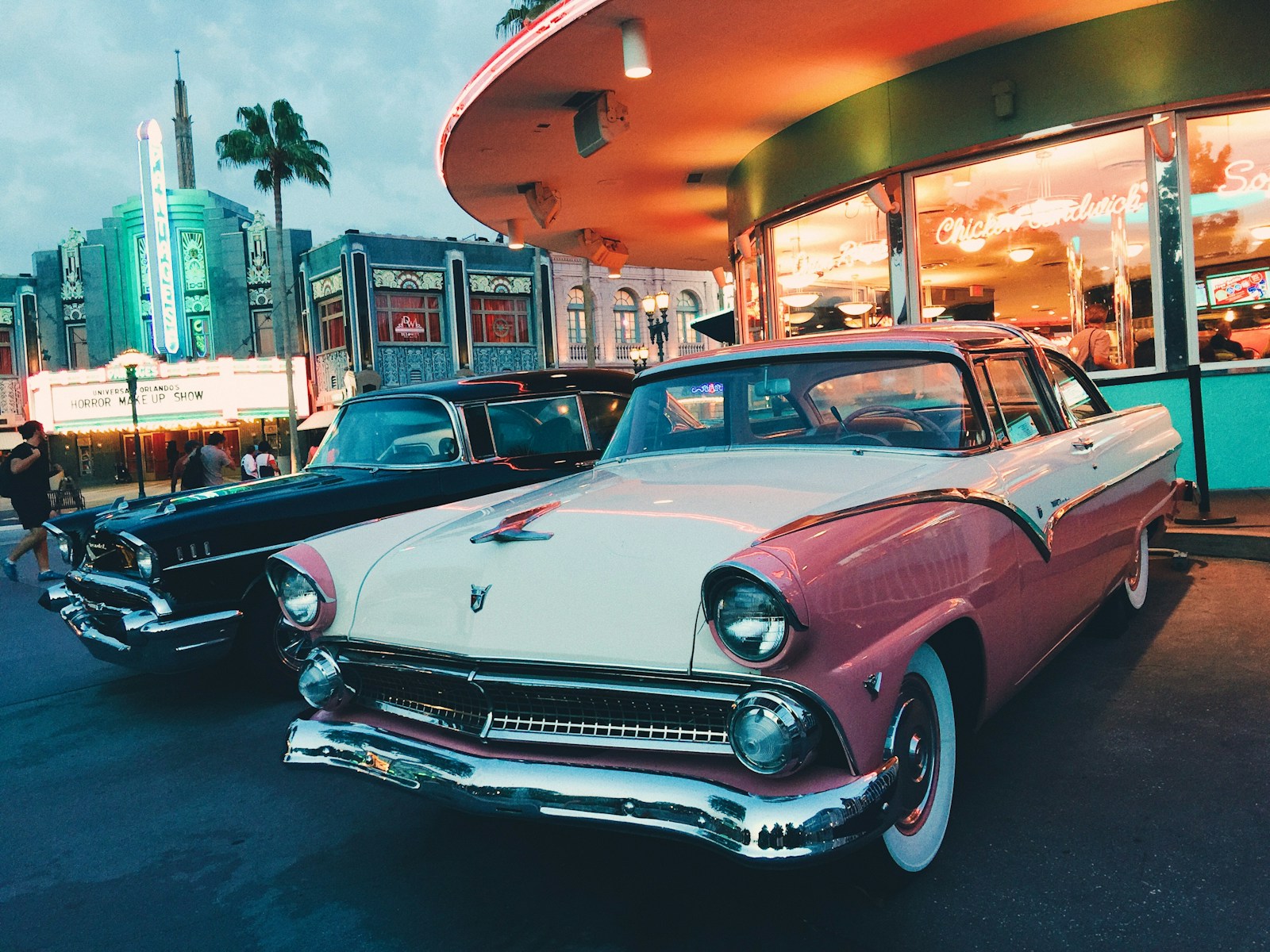

Electric power is quietly turning yesterday’s icons into tomorrow’s daily drivers. Instead of watching beloved machines age into museum pieces, you can now keep them on the road with batteries and motors that slip in where carburetors and fuel tanks once lived. The result is a strange but compelling mix of patina and pixels, where a 1960s silhouette hides a very 2026 kind of drivetrain.
Why classic metal suddenly has a future
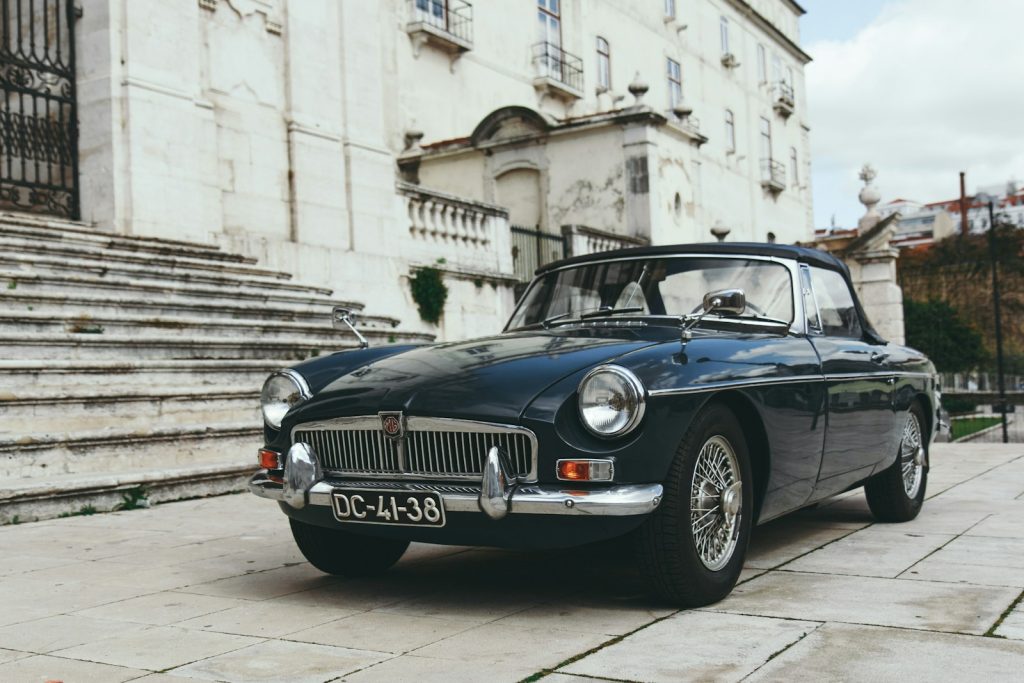
If you own an older car, you are running straight into the same wall facing every internal combustion fan: regulation. As the ban on new internal combustion engine, or ICE vehicle sales looms, governments are tightening emissions rules and cities are rolling out low‑emission zones that make it harder to use a smoky weekend toy. Instead of giving up, a growing crowd of owners is deciding that if the rules demand clean drivetrains, they will simply give their classics one.
That shift is turning nostalgia into a surprisingly modern trend. You see it in the way Classic cars meet the electric revolution, with everything from humble city runabouts to glamorous grand tourers being stripped of engines and reborn with batteries. Instead of treating old cars as fragile collectibles, you are invited to treat them as platforms, ready for quiet torque, instant throttle response and the kind of reliability that makes a 50‑year‑old shell feel like a viable commuter again.
Inside the electric makeover
The magic trick with a good conversion is that from the driver’s seat, almost nothing looks different. Builders hide battery packs under the bonnet or in the boot, tuck controllers where the gearbox once sat and keep the original dials, sometimes adding a discreet digital range display that only an eagle‑eyed passenger will spot. One high‑end project described how the display has been discreetly modernised to show range without spoiling the period feel, right down to the choice of leather in the automotive industry that keeps the cabin smelling like it always did.
Underneath that familiar skin, though, the character changes. Instead of a temperamental carburetor and a cold‑start ritual, you get a key twist or start button and instant torque. Owners who have gone through the process say that Converting these classic cars makes them more environmentally friendly and extends their life and usefulness on modern roads for a long time to come. You still get the thin pillars, the chrome, the analog steering feel, but you lose the fuel smell, the oil spots on the driveway and the nagging worry about the next mechanical failure.
Second lives for batteries and bodywork
There is another quiet revolution happening inside these builds: the batteries themselves are often on their second career. Instead of sending worn but still capable packs to recycling, companies are experimenting with using WHY MOMENT ENERGY WORKS style thinking, where firms like Moment Energy source and repurpose EV batteries that no longer meet strict range requirements but still have plenty of life left. Those modules can be reconfigured into compact packs that fit neatly into classic chassis, turning what would have been waste into useful storage.
The same circular logic is starting to show up in big‑name partnerships. Automakers are working with recyclers to keep packs in use, with Alan Low, Battery Circular Economy Manager at Nissan Energy Services, describing how his team and Ecobat are exploring mobile power charging systems and other second‑life uses. Another agreement between Nissan and Ecobat aims to Give Used EV Batteries a Second Life Beyond the Car and stretch the lifecycle of its products by 2050. Classic conversions slot neatly into that ecosystem, soaking up packs that might otherwise sit in warehouses.
From London workshops to royal driveways
If this all sounds theoretical, you only need to look at what is happening in London. At its headquarters in central London, London Electric Cars has been switching petrol‑guzzling engines in Rover Mi and other everyday classics for electric motors, arguing that by doing this they are saving cars from the landfill. The founder’s pitch is simple: you keep the shape and the story, but you get a drivetrain that can handle school runs and congestion charges without drama.
That idea has filtered all the way up to the most rarefied garages. One specialist notes that “We have bolt‑in conversion kits for Minis, Porsche 911s, Porsche 912s, Land Rovers, VW Beetles, the common cars that we convert,” and those kits are finding their way into the fleets of the royal, rich and famous. When high‑profile owners quietly swap engines for batteries, it normalises the idea that a cherished car can evolve instead of being frozen in time.
How it feels on the road
Once you are behind the wheel, the biggest surprise is how usable an electrified classic becomes. With a modern motor and a sensible battery pack, EV classic cars equals a second life as a daily driver, turning what used to be a Sunday‑only toy into something you can happily take to work. Instant torque makes city traffic less of a chore, regenerative braking takes the edge off old drum brakes and the lack of vibration means you notice the steering and suspension in a way you probably never did when the engine was shaking the dashboard.
High‑end builders are proving that this can be done without losing the soul that made you fall for the car in the first place. The Everrati version of the Pagoda shows how This Sixties Mercedes roadster can be reimagined so that this exquisite convertible glides by in near silence, yet still looks every bit the style icon. They have also converted early Land Rover Series and Porsche models, proving that off‑roaders and sports cars can both handle the transition if the engineering is careful enough.
The cost, the trade‑offs and the tech curve
None of this comes cheap, and you should go in with clear eyes. One specialist is blunt that Cost can vary depending on the customer’s requirements for range and power, as well as the make and model of car, and that a small car with a modest setup might cost over £150k. That price tag explains why early adopters tend to be wealthy enthusiasts and why some owners still prefer to keep a petrol engine and accept the running costs and restrictions that come with it.
There are also technical compromises. Some models are harder to convert than others, with reports that Aston Martins are apparently challenging because their light and nimble nature is not done as well by electric yet, while Bent models are easier because they are built to drive smoothly. Engineers are working on smarter power electronics to make the most of second‑life packs, with researchers arguing that As we push toward a cleaner and more resilient energy future, second‑life batteries offer one of the most exciting opportunities, but it takes innovation that meets real‑world complexity head on.
Heritage, emotion and what you actually keep
For a lot of owners, the real question is not technical at all, it is emotional. Classic cars, such as historic Classic Mercedes Benz models, represent the height of automotive engineering, design and craftsmanship, and some purists argue that removing the engine kills the very thing that makes them special. Others counter that what really matters is the shape, the cabin, the way the car moves through space, and that you can preserve all of that through electric classic car conversion while still being able to drive into city centres without a guilty conscience.
Owners themselves are split, and you can hear it in the way they talk. One report notes that But for most classic car fans, the quirks are part of the charm, and the fact that vintage cars do not come with modern conveniences is exactly why they love them. Yet companies that specialise in these builds argue in their own Conclusion that for those who value both heritage and practicality, conversion is the ultimate answer, especially if you want to keep driving your car instead of watching it gather dust.
Why this is more than a fad
Look a little further out and the pattern becomes clearer. As the Study aims to recycle 98% of EV battery material for classic cars, researchers are already planning how to close the loop on materials that go into these conversions. At the same time, builders are pitching you on the idea that if you are looking for a modern way to enjoy your classic Land Rover, then converting it to electric power lets you keep the character without any of the hassle of constant maintenance.
Put simply, you are watching two second‑life stories collide: old cars that refuse to die and EV batteries that still have plenty to give. As more cities clamp down on tailpipes and more packs reach the end of their first use, the idea of pairing them up stops looking like a niche hobby and starts to feel like common sense. If you care about the shape in your driveway and the air in your neighbourhood, electric power is not killing the classic car, it is giving it a shot at a long, busy future on real roads instead of in storage.
More from Wilder Media Group: