

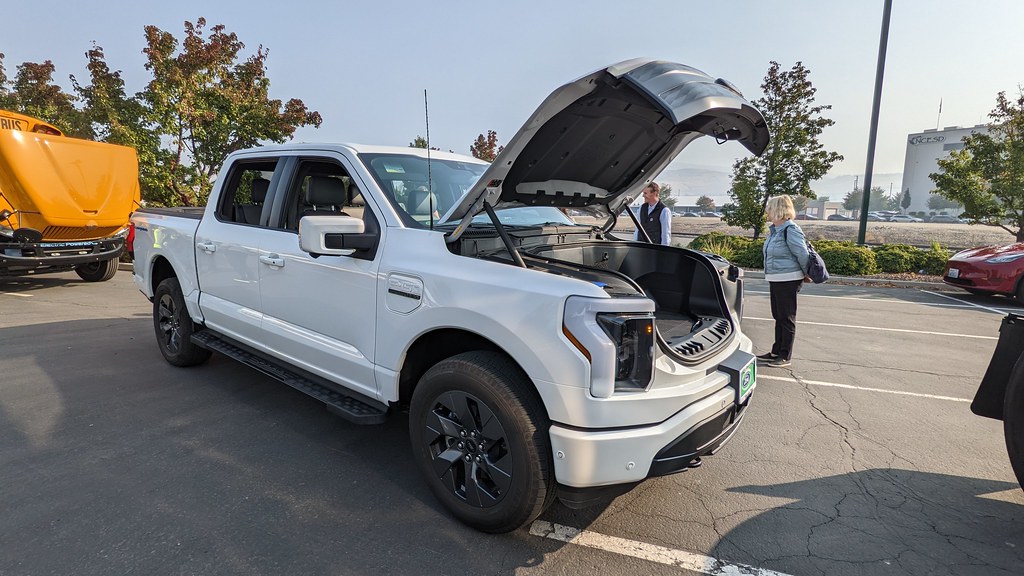
Electric trucks are facing significant challenges in gaining traction among traditional pickup truck enthusiasts, as manufacturers struggle to match the performance and range of their gasoline counterparts. Despite numerous models hitting the market, such as the 2022 Ford F-150 Lightning and the 2023 Rivian R1T, consumer hesitation remains prevalent. This trend matters because the pickup truck segment is one of the most lucrative in the automotive industry, generating billions in sales annually.
Consumer Preferences and Market Trends
According to a recent survey by J.D. Power, only 18% of pickup truck owners expressed interest in switching to an electric model, citing concerns about range anxiety and charging infrastructure as primary obstacles. Pickup trucks have long been associated with power, performance, and rugged reliability, qualities that many consumers feel electric models have yet to fully deliver. The average range of electric trucks like the F-150 Lightning is around 300 miles, while traditional gas-powered pickups can often exceed 500 miles on a single tank.
Performance and Capability Concerns
The performance of electric trucks is a critical factor that influences consumer decisions. For instance, the 2023 Chevrolet Silverado EV boasts an impressive 664 horsepower, but it still struggles to match the towing capacity of the 2022 Ram 1500, which can tow up to 12,750 pounds with a conventional engine. Many pickup enthusiasts prioritize towing and hauling capabilities, and current electric models often fall short in this department, creating apprehension among prospective buyers.
Charging Infrastructure Challenges
Another significant barrier to electric truck adoption is the lack of widespread charging infrastructure. While companies like Tesla have made strides with their Supercharger network, many rural areas still lack adequate charging options. According to a report from the U.S. Department of Energy, there are currently around 55,000 public charging stations in the United States, compared to over 168,000 gas stations. This disparity raises concerns for potential buyers who may need to travel long distances for work or recreation.
Price Comparisons and Economic Factors
The price of electric trucks also plays a crucial role in consumer hesitance. The starting price for the 2022 Ford F-150 Lightning is approximately $40,000, while the gas-powered version typically starts around $30,000. Furthermore, with inflation and rising interest rates, many consumers are more budget-conscious than ever, making them less willing to invest in a higher-priced vehicle, even with potential long-term savings on fuel and maintenance costs.
Manufacturer Responses and Future Plans
Automakers are aware of these challenges and are actively working to address them. Ford has announced plans to invest over $50 billion in electric vehicle technology through 2026, aiming to enhance the capabilities and appeal of their electric truck lineup. Meanwhile, Rivian has committed to expanding its charging network to alleviate range anxiety for its early adopters. However, industry experts argue that overcoming consumer skepticism will require more than just improved technology; it will necessitate a cultural shift in how trucks are perceived.
Environmental Considerations
As electric vehicles gain popularity for their environmental benefits, many consumers remain ambivalent. While electric trucks produce zero tailpipe emissions, the environmental impact of battery production and disposal is a pressing concern. A study by the Union of Concerned Scientists indicates that while electric vehicles are cleaner over their lifetime, the production of lithium-ion batteries can generate significant carbon emissions. This complexity may deter environmentally conscious consumers from making the switch.
Conclusion: The Road Ahead
As electric trucks continue to enter the market, manufacturers face the urgent task of convincing traditional pickup fans to embrace this new technology. With consumer interest lagging at 18%, addressing performance, pricing, and infrastructure challenges is critical for the electric truck segment’s growth. The automotive industry is at a crossroads, and how it navigates these challenges will shape the future of both electric and conventional pickups.
As the debate continues, potential buyers are encouraged to stay informed about the latest developments in electric trucks. Those considering a new truck should weigh the benefits and drawbacks of electric models against their specific needs and preferences. The transition to electric vehicles is inevitable, but it’s essential for consumers to remain vigilant and proactive in understanding their options.