
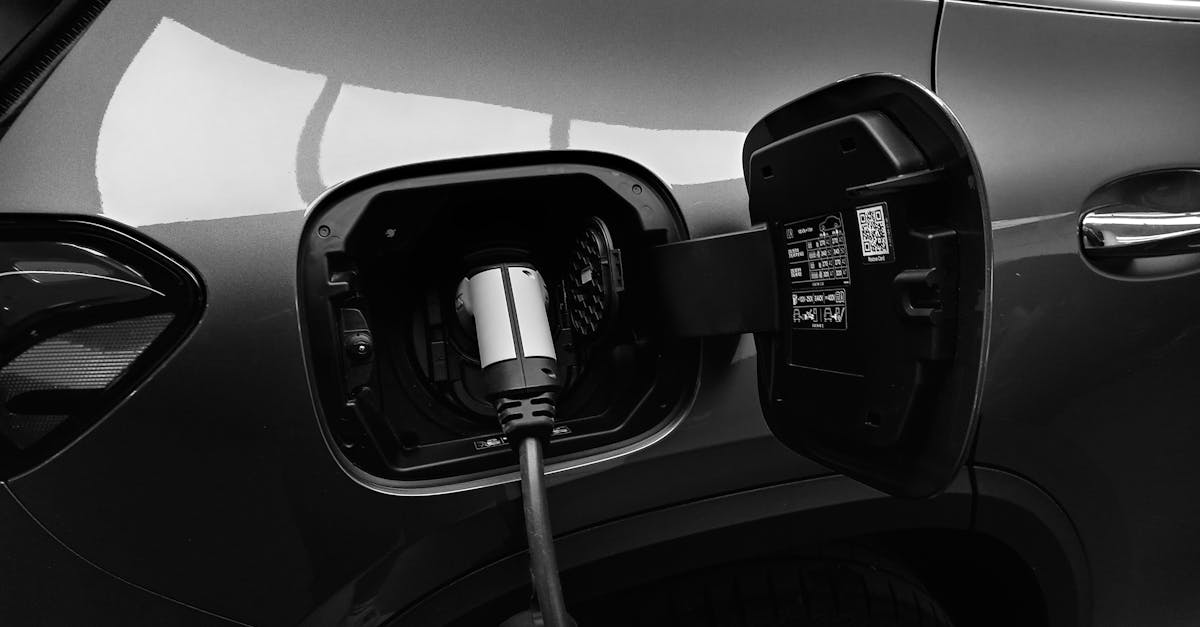


The cost of charging electric vehicles (EVs) has seen a significant increase over the past year, raising questions about whether they remain a more economical choice compared to traditional gasoline-powered cars. As electricity prices rise due to various factors, including inflation and supply chain issues, potential EV buyers must consider whether the benefits of electric vehicles still outweigh their costs compared to gasoline vehicles.
Rising Charging Costs
In 2023, the average price for charging an electric vehicle surged to approximately $0.50 per kilowatt-hour (kWh), up from $0.40 per kWh in 2022. This increase translates to a rise in the average cost of charging an EV to around $15 for a full charge, depending on the vehicle’s battery size. For example, the 2022 Tesla Model 3, which has a battery capacity of about 75 kWh, would cost around $15 to fully charge, providing a range of approximately 350 miles.
In contrast, the average price of gasoline in the United States has hovered around $3.50 per gallon in recent months. Considering that a gasoline vehicle like the 2022 Toyota Camry achieves about 30 miles per gallon, filling up the tank would cost about $50 for a full tank, which offers a range of around 400 miles. Therefore, while charging costs have risen, the cost-per-mile comparison remains a crucial factor for consumers weighing their options.
Calculating Cost Per Mile
To determine which option is cheaper, let’s break down the costs per mile for both electric and gasoline vehicles. For the Tesla Model 3, with an average cost of $15 for a full charge and a range of 350 miles, the cost per mile comes to approximately $0.043. In comparison, the Toyota Camry, costing $50 for a full tank with a range of 400 miles, results in a cost per mile of $0.125.
This analysis shows that even with rising charging costs, the Tesla Model 3 remains significantly cheaper on a per-mile basis compared to the Toyota Camry. This cost advantage is one of the key reasons many consumers still consider switching to electric vehicles, despite the higher upfront investment associated with EVs.
Factors Contributing to Rising Costs
Several factors have contributed to the rise in EV charging costs. Firstly, as demand for electricity increases, utility companies have raised rates to accommodate higher consumption, particularly during peak hours. Additionally, the cost of raw materials needed for battery production, such as lithium and cobalt, has surged, indirectly affecting the overall pricing of electric vehicle charging.
Furthermore, many public charging stations have begun to implement higher fees, especially for fast charging options. Charging networks like Electrify America have adjusted their pricing models; for instance, rates can now vary significantly based on the time of day and charging speed, which adds complexity to cost calculations for EV owners.
Regional Variations
Geographically, charging costs can differ widely across the United States. States with abundant renewable energy sources, such as California and Washington, often have lower electricity rates. In contrast, states reliant on fossil fuels, like West Virginia and Kentucky, may see higher charging costs. For example, in California, the average electricity rate is about $0.25 per kWh, while in West Virginia, it can reach up to $0.13 per kWh, impacting the overall cost of operating electric vehicles.
Future Trends in Charging and Gas Prices
Looking ahead, experts predict that while EV charging costs may continue to fluctuate, the long-term trend favors electric vehicles as technology advances. Battery prices are expected to decline over the next decade, which could help reduce the cost of both EVs and charging. Additionally, the expansion of charging infrastructure and investments in renewable energy sources may stabilize electricity costs in the future.
Gas prices, on the other hand, are likely to remain volatile due to geopolitical tensions, natural disasters, and changing regulations on fossil fuel production. The ongoing transition to cleaner energy sources is expected to put upward pressure on gasoline prices as demand shifts toward sustainable alternatives.
Conclusion: The Decision Ahead
As EV charging costs rise, consumers face critical decisions regarding their vehicle purchases. While electric vehicles still provide a lower cost-per-mile option than gasoline vehicles, rising charging prices and regional disparities complicate the financial landscape. For potential buyers, it is essential to consider not just the immediate costs but also the long-term savings and environmental benefits associated with electric vehicles.
With the automotive industry rapidly evolving, staying informed is crucial. Pros