

The electric vehicle (EV) pickup truck market is rapidly evolving, with major manufacturers like Ford and Rivian making significant strides, prompting questions about the sustainability and future of this segment. As automakers invest billions in electric models, consumers are left to ponder whether these vehicles will revolutionize the pickup truck landscape or simply serve as a fleeting trend. The stakes are high, as the pickup truck segment is one of the most profitable in the automotive industry, accounting for nearly 20% of new vehicle sales in the United States in 2022.
Industry Landscape
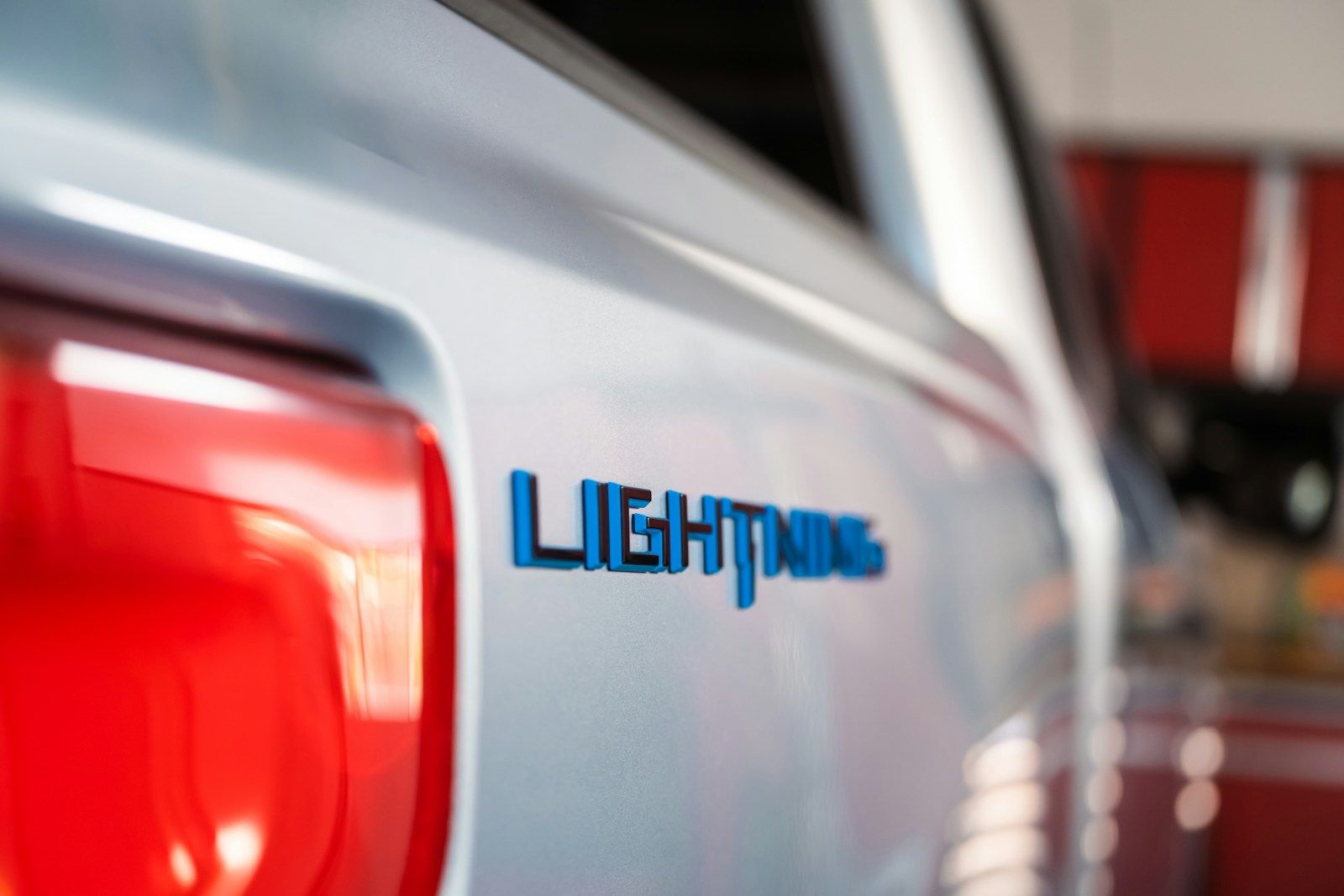
In 2022, Ford launched the all-electric F-150 Lightning, a model that has generated considerable buzz with over 200,000 reservations by the end of the year. Rivian’s R1T also made headlines as one of the first electric pickups to hit the market, receiving positive reviews for its performance and innovative features. With the average price of gas hovering around $3.50 per gallon, many consumers are looking for alternatives that promise lower operating costs and reduced environmental impact.
General Motors is not far behind, having unveiled the electric Chevrolet Silverado, slated for release in 2023. The competition is fierce, with established brands and startups alike racing to capture market share in the electric pickup segment. Analysts predict that the electric pickup market could grow to an estimated $20 billion by 2030, making it a critical focus for automakers.
Consumer Sentiment
Despite the excitement surrounding EV pickups, consumer sentiment remains mixed. A recent survey conducted by Automotive News found that 52% of truck owners are hesitant to switch to electric models due to concerns about range anxiety and charging infrastructure. Current EV pickups, like the Rivian R1T, offer a range of approximately 314 miles on a full charge, but many consumers still worry about the availability of charging stations, especially in rural areas.
In addition, the upfront cost of electric pickups is significantly higher than their gasoline counterparts. For instance, the starting price of the Ford F-150 Lightning is around $39,000, compared to the gasoline version, which starts at about $30,000. This price disparity can be a deterrent for many potential buyers, especially considering the additional costs of home charging equipment.
Environmental Impact
One of the primary motivations for transitioning to electric pickups is the potential environmental benefits. According to a study by the Union of Concerned Scientists, electric trucks can produce up to 60% fewer greenhouse gas emissions over their lifetime compared to traditional gasoline trucks, even when accounting for the emissions from electricity generation. This reduction is particularly crucial as the U.S. government aims to reduce carbon emissions by 50% by 2030.
Furthermore, many consumers are becoming increasingly environmentally conscious, with a 2023 report from Deloitte indicating that 70% of millennials and Gen Z consumers are willing to pay a premium for sustainable products. This shift in consumer attitudes could play a significant role in the adoption of electric pickups, making them more than just a passing fad.
Technological Advancements
Technological advancements are also driving the electric pickup trend. Battery technology has improved significantly in recent years, allowing for faster charging times and longer ranges. For example, the F-150 Lightning can achieve an 80% charge in about 40 minutes at a fast-charging station, making it more convenient for consumers who need to travel longer distances.
Additionally, features such as regenerative braking and advanced driver-assistance systems are becoming standard in electric trucks, enhancing their appeal to tech-savvy buyers. The integration of smartphone connectivity and infotainment systems has also made electric pickups more attractive, particularly to younger consumers who prioritize technology in their purchasing decisions.
Challenges Ahead
Despite the promising outlook for electric pickups, several challenges remain. One of the most significant issues is the availability of charging infrastructure. While urban areas are seeing an increase in charging stations, rural regions still lag behind, making it difficult for potential buyers in less populated areas to consider electric pickups as viable options.
Additionally, supply chain issues continue to affect the production of electric vehicles. The ongoing semiconductor shortage has delayed the rollout of several electric models, creating uncertainty in the market. As automakers strive to meet consumer demand, they must also navigate these logistical challenges to ensure timely delivery of their new electric pickups.