

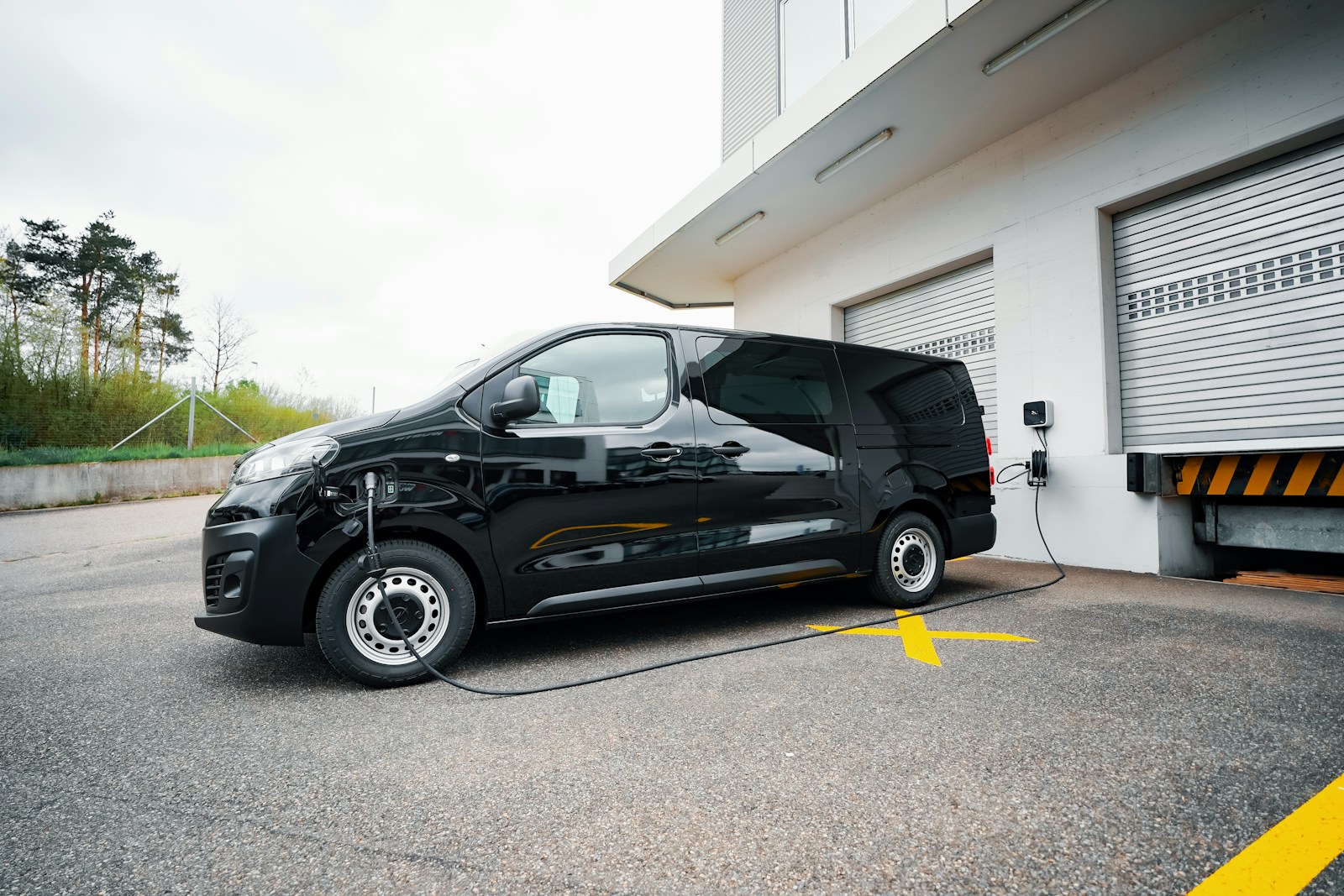
The battle for supremacy in the electric vehicle (EV) market is intensifying as major automakers unveil new models boasting longer ranges, improved battery technology, and competitive pricing. As of late 2023, consumers are faced with a rapidly evolving landscape that could determine the future of transportation, affecting everything from sales figures to environmental policies. This ongoing competition not only influences consumer choices but also has significant implications for auto manufacturers and the broader economy.
Current Leaders in EV Range
As of October 2023, the Tesla Model S Long Range holds the crown for the longest range among all electric vehicles, offering an impressive 405 miles on a single charge. Following closely behind is the Lucid Air Dream Edition, which boasts a range of 503 miles, setting a new benchmark for luxury EVs. Both models are pushing the envelope on what consumers can expect in terms of range, but they also come with price tags that can reach upwards of $100,000.
In the more affordable segment, the Hyundai Ioniq 5 offers a commendable range of 303 miles, while the Ford Mustang Mach-E, another strong contender, provides up to 312 miles, depending on the configuration. These vehicles are aimed at a broader audience, making the promise of longer ranges accessible to more consumers, and potentially driving sales in an increasingly competitive market.
Technological Advances Fueling Competition
Recent advancements in battery technology are at the heart of the ongoing range wars. Manufacturers are investing heavily in solid-state batteries, which promise to deliver greater energy density and faster charging times. For instance, Toyota plans to introduce solid-state batteries by 2025, which could enable ranges exceeding 600 miles for their upcoming models.
Moreover, companies like Tesla are continuously optimizing their battery management systems. The recent unveiling of Tesla’s 4680 battery cells has shown promise in improving vehicle efficiency, which may further extend the range of its upcoming models. These technological innovations could reshape the landscape, making it crucial for automakers to stay ahead of the curve.
Pricing Strategies and Consumer Preferences
As competition heats up, pricing strategies are also evolving. While luxury models like the Lucid Air and Tesla Model S cater to high-end consumers, brands like Nissan with its Ariya are targeting middle-income buyers with a starting price around $47,000 and a range of 300 miles. This diversification in pricing is designed to capture a larger share of the market and make electric vehicles more accessible.
According to recent reports from the Automotive News Data Center, EV sales in the United States rose by over 60% in 2022, with over 800,000 units sold. This surge underscores the increasing consumer interest in electric vehicles, driven by both environmental concerns and cost savings associated with fuel and maintenance.
Global Market Dynamics
Internationally, competition is equally fierce. Companies like BYD in China are rapidly expanding their offerings, producing models like the Han EV that can travel over 370 miles on a single charge. This has forced traditional automakers to innovate quickly or risk losing market share to emerging players. In Europe, manufacturers such as Volkswagen and BMW are ramping up their electric lineups, focusing on sustainable practices and local production to appeal to environmentally conscious consumers.
The global push for stricter emission regulations will also impact the dynamics of the EV market. Countries like Norway and the Netherlands have set ambitious targets to phase out internal combustion engines, further accelerating the shift towards electric vehicles. This regulatory pressure is prompting automakers worldwide to prioritize electric vehicle development, making range a critical factor in their strategies.
The Road Ahead
As the EV range wars continue to unfold, the next few years will be crucial in determining which manufacturers emerge as leaders in this sector. With consumer preferences shifting towards longer ranges and more reliable charging solutions, companies that can deliver on these demands will likely see significant gains in market share. As of now, Tesla, Lucid, Ford, and Hyundai are among the frontrunners, but the competition remains fierce.
For consumers, the evolving landscape means more choices and better technology at potentially lower prices. However, it also raises questions about the sustainability of these advancements and whether all manufacturers can keep pace with the rapid changes in the industry.
Get Involved
As the electric vehicle market continues to evolve, staying informed about the latest developments is essential. Whether you are considering purchasing an EV or simply want to understand the future of transportation, now is the time to engage with this important topic. Keep an eye on upcoming models, technological innovations, and market trends to make informed decisions in this rapidly