

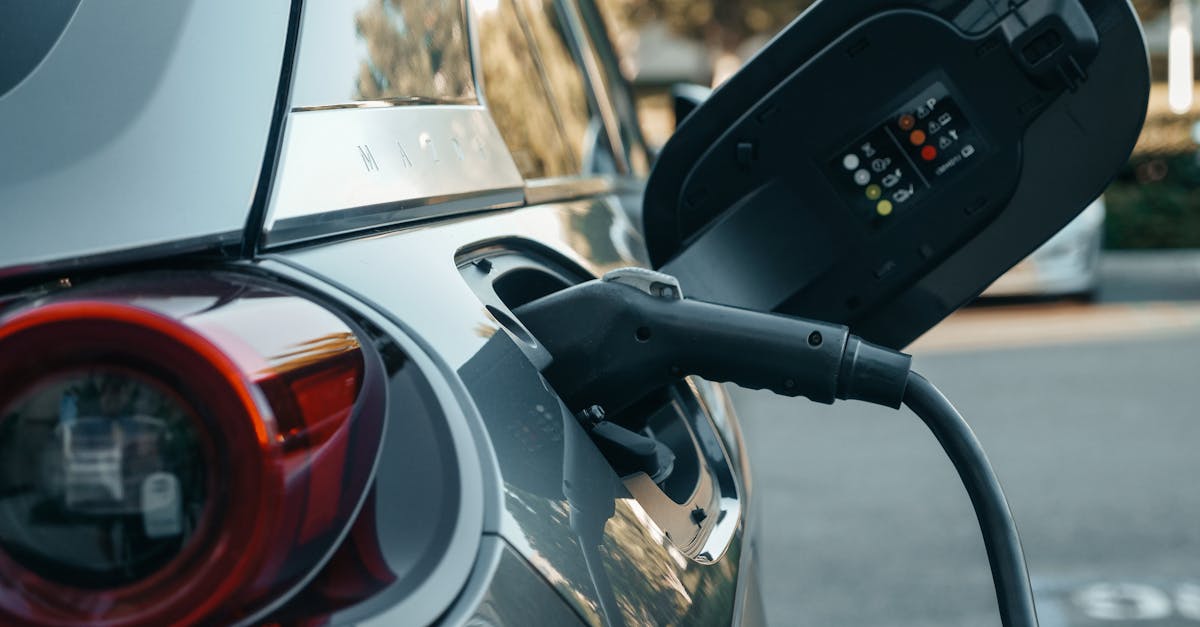
The electric vehicle (EV) landscape is evolving rapidly, with technology advancements outpacing many industry expectations. From battery efficiency to charging infrastructure, these innovations are making EVs more appealing to consumers. Here’s a look at some key areas where EV technology is improving faster than anticipated.
1. Solid-State Batteries
Solid-state batteries represent a significant leap in energy density and safety compared to traditional lithium-ion batteries. Currently in advanced testing phases, these batteries promise to provide longer ranges and shorter charging times, effectively addressing two of the biggest concerns for EV buyers. Companies are racing to commercialize this technology, and early results are promising.
Manufacturers like Toyota and QuantumScape are leading the charge, with expectations that solid-state batteries will be available in consumer vehicles within a few years. This shift could redefine the EV market, making electric vehicles as convenient as gas-powered ones.
2. Ultra-Fast Charging
Ultra-fast charging stations are being deployed at a rapid pace, significantly reducing the time it takes to recharge an EV. New technologies are enabling charging rates of up to 350 kW, which can replenish an EV’s battery to 80% in under 20 minutes. This is a game-changer for long-distance travel, allowing EVs to compete with traditional vehicles in terms of refueling time.
As charging networks expand and improve, the convenience factor for EV owners will rise. Companies like Ionity and Electrify America are at the forefront, working to create a seamless charging experience that enhances the overall viability of EVs.
3. Vehicle-to-Grid (V2G) Technology
V2G technology allows EVs to not only draw power from the grid but also supply it back when needed. This bi-directional energy flow can help balance grid demand and provide financial incentives for EV owners. As more cities seek to integrate renewable energy sources, V2G could play a pivotal role in stabilizing energy supply.
Recent pilot projects have shown that V2G can enhance grid resilience while offering EV owners potential revenue streams. As the technology matures and regulatory frameworks are established, expect widespread adoption in the coming years.
4. Advanced Driver Assistance Systems (ADAS)
ADAS is becoming standard in EVs, providing features like adaptive cruise control, lane-keeping assistance, and automatic emergency braking. These enhancements not only improve safety but also make driving electric vehicles more enjoyable. As software and hardware improve, the capabilities of these systems will continue to expand.
With companies like Tesla leading the way in software updates and sensor technology, the sophistication of ADAS is likely to outpace traditional automotive features. This trend will attract buyers looking for high-tech solutions in their next vehicle.
5. Lightweight Materials
The pursuit of increased efficiency has led to a surge in the use of lightweight materials in EV production. Innovations in composites and alloys are helping manufacturers reduce vehicle weight without compromising safety or structural integrity. This translates to better performance and longer range, two critical factors for potential buyers.
As the automotive industry moves toward greener practices, these materials will become more commonplace. Companies are investing in research to develop even lighter and more sustainable options, which will enhance the appeal of electric vehicles further.
6. Enhanced Thermal Management Systems
Efficient thermal management systems are essential for maintaining battery performance and longevity. Recent advancements have allowed for better temperature regulation, ensuring that EVs operate optimally in various climates. This improvement helps prevent overheating and enhances safety, particularly in high-performance models.
Manufacturers are incorporating advanced materials and innovative designs to improve cooling capabilities, leading to more reliable and efficient vehicles. As these systems evolve, expect to see better performance across the board, regardless of environmental conditions.
The rapid advancements in EV technology are reshaping the automotive landscape, making electric vehicles more practical and desirable than ever. As these innovations continue to develop, they promise to enhance the EV ownership experience, encouraging more drivers to make the switch to electric. The future of driving is electric, and it’s arriving faster than many anticipated.
More from Steel Horse Rides: