

Electric vehicles entered 2026 in a slump, with growth cooling just as the industry had banked on a rapid shift away from gasoline. Instead of doubling down on premium tech showcases, carmakers are racing to cut prices and retool lineups around smaller, simpler models that can reach mass‑market buyers. The new bet is clear: if EVs are going to recover, they will have to get cheaper, fast.
The ‘EV winter’ hits, and price becomes the pressure valve
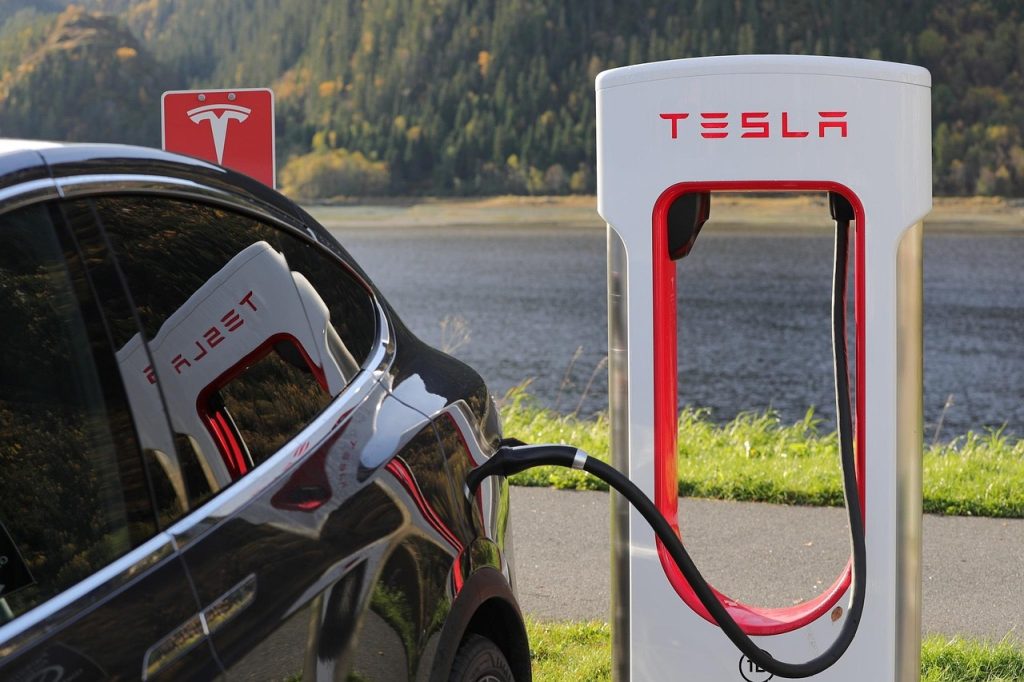
After years of exuberant forecasts, global manufacturers are confronting what some executives now describe as an “EV winter,” a period when demand is still rising but no longer fast enough to justify earlier expansion plans. Growth in global sales of electric vehicles is expected to slow as Growth in key markets cools, particularly in China, where policy support is being wound down and competition is brutal. That shift has already hit leaders like Tesla, with Tesla sales declining in 2025 just as several legacy automakers pull back on their most aggressive electric commitments.
Industrywide, EV sales are down from earlier expectations and carmakers are acknowledging that the first wave of affluent early adopters has largely been tapped. EV sales across the industry have softened enough that companies are now openly prioritizing affordability, with one major plan involving a roughly $30,000 electric pickup in 2027 to lure cost‑conscious truck buyers. Used hybrid and EV prices have also fallen more sharply than other vehicles, a sign that the reset is spreading across the market and that clean‑vehicle tax incentives are helping keep electric models more competitively priced in 2026.
Global forces push automakers toward smaller, cheaper EVs
The affordability pivot is not just a U.S. story, it is being shaped by global currents that are hard to ignore. In Europe, tariffs have not stopped the region from becoming the top destination for Chinese vehicles, underscoring how aggressively Chinese brands are exporting lower‑cost EVs. Despite European Union measures, The EU remains a crucial outlet for these cars, and BNEF data shows that Chinese manufacturers are still finding ways to compete on price. At home, China is experiencing what some analysts call an “EV crisis,” with big fish swallowing the small as weaker players are squeezed by discount wars that could drag on for several more years.
Those dynamics are feeding directly into product planning. Carmakers are bracing for impact as they cancel or delay some high‑end projects, including the US‑only Acura EV, and instead channel investment into compact crossovers and entry‑level models that can be built more cheaply. One example is The Kia EV3, described as a funkily styled small crossover that is slated to cost around $35,000, a price point designed to undercut many current electric SUVs. At the same time, some mainstream gasoline SUVs are expected to see significant markdowns, with the Ford Explorer highlighted as one of six models to watch and a 2026 Starting MSRP of $38,456 that could fall as incentives stack up.
Consumers demand value, and automakers finally listen
For all the talk of charging networks and software, the most powerful force reshaping the EV market may be household budgets. Based on a large survey, Americans are looking to buy EVs that are less costly than those on the market today and are increasingly skeptical of paying luxury‑car prices for commuter transportation. That sentiment is showing up in product lists: Top 5 Most Affordable Electric Cars You Can Buy in 2026 now include compact hatchbacks and sedans that undercut many hybrids, with Top picks emphasizing range‑per‑dollar rather than bleeding‑edge performance. The Cheapest Electric SUVs for 2026 similarly spotlight the 2026 Hyundai Kona Electric, with Hyundai Kona Electric singled out as the Cheapest Electric SUV and The Hyundai Kona Electr positioned as a gateway EV for budget‑minded families.
Manufacturers are responding with a wave of stripped‑back models and aggressive pricing strategies. Lists of the cheapest electric cars for 2026 now feature vehicles that sacrifice some luxury features but yield significant improvements in range and charging speed compared with earlier budget EVs. Carmakers are also experimenting with lower‑priced trims that keep battery sizes modest and options simple, a shift that aligns with the view that “Electric vehicles are becoming more mainstream” only when shoppers can walk into a showroom and see a model with $29,000 on the sticker, as highlighted in one $29,000 example. Behind the scenes, executives acknowledge that much of the early EV enthusiasm was built on premium margins that are now evaporating, a reality captured in analyses of how much of the early EV boom was driven by wealthier buyers.
The strategic gamble is that lower prices will revive demand before investor patience runs out. Analysts warn that an “EV winter” could last several years, but they also note that EV sales are still growing from a higher base, even if more slowly, and that companies like Jan and Now are recalibrating rather than abandoning their electric plans. Some automakers are already signaling that they see a path out of the slump, arguing that a new generation of cheaper models, including a future Now compact and a mass‑market pickup, could be enough to start reviving the ailing EV market. If that happens, the painful reset of early 2026 may be remembered less as a collapse than as the moment when electric cars finally had to compete on the same terms as every other vehicle: price, value and everyday usefulness.
More from Wilder Media Group: