
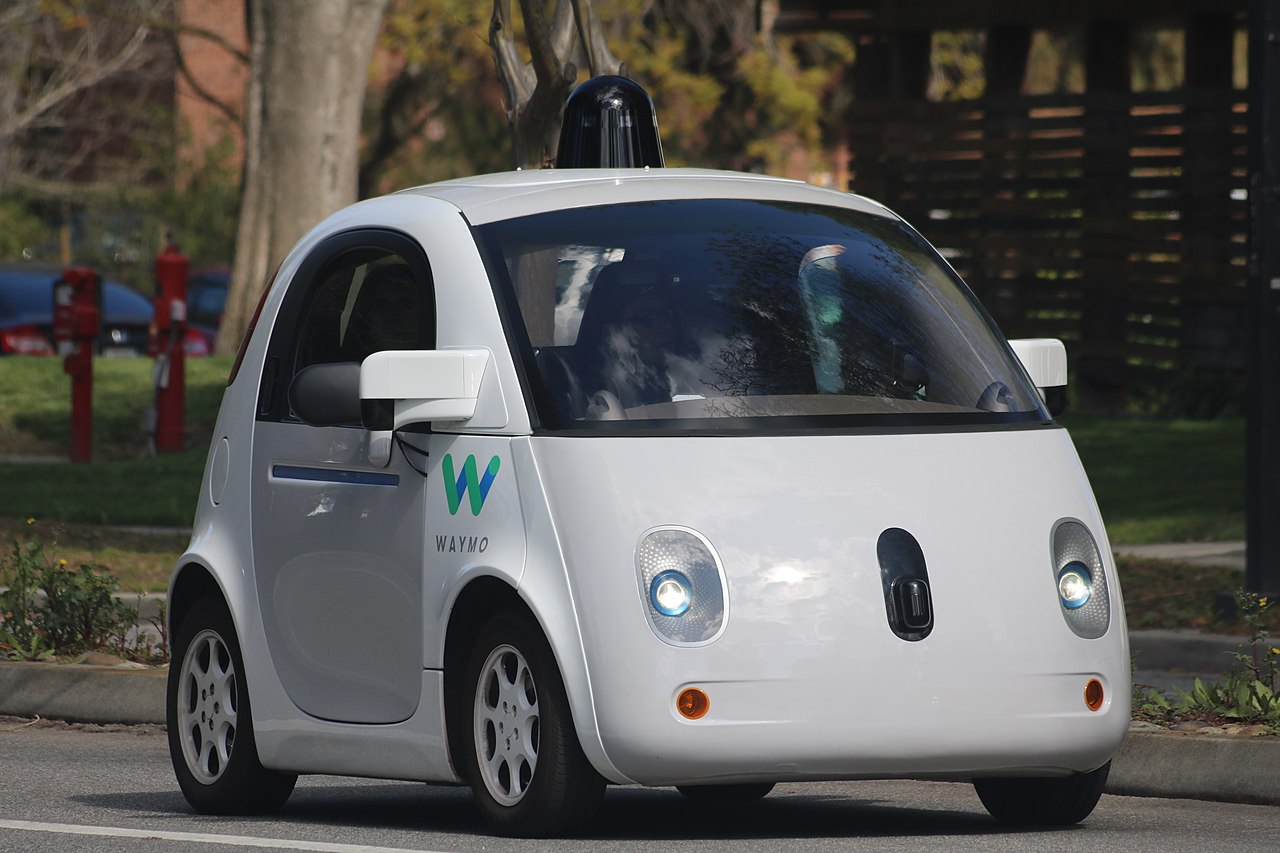

You’ll want to pay attention: officials are pausing self-driving taxi rollouts outside the biggest metro areas after videos and reports showed erratic behavior and permit gaps that regulators say pose safety and legal risks. This pause forces companies to confront testing shortcomings, paperwork requirements, and local safety concerns before expansion continues.
Cities and states increasingly demand clearer approvals and stricter oversight, and that scrutiny shapes whether autonomous fleets can scale beyond pilot zones. The article will unpack recent regulatory actions, how companies are responding, and what those moves mean for public safety and wider deployment.
Regulatory Setbacks for Self-Driving Taxi Expansion
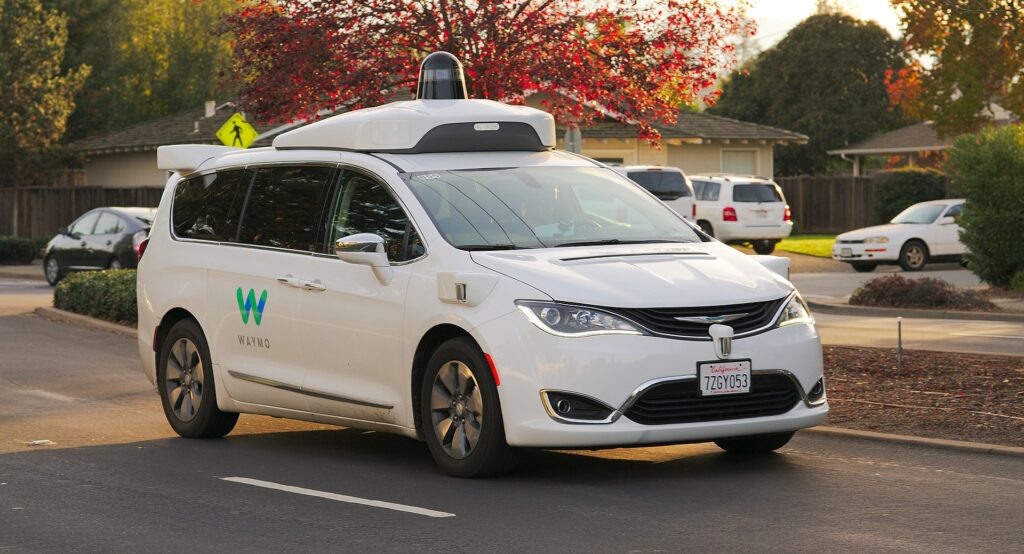
Regulators and local officials have pushed back against rapid robotaxi rollouts, citing gaps in permitting, local control, and safety oversight. These hurdles have slowed plans from several major operators and focused scrutiny on how autonomous services will operate outside dense urban cores.
State and Local Resistance to Robotaxi Rollouts
Local governments and county agencies increasingly assert control over where robotaxi services may operate. San Mateo County and San Francisco supervisors have raised zoning and public-safety questions that complicate launches, while California’s city-level officials have demanded more local consultation before driverless fleets expand.
Assemblymember Catherine Stefani publicly pressed regulators for transparent data on disengagements and near-misses, reflecting broader political pressure in the state. The California Public Utilities Commission (CPUC) faces competing demands: municipalities want veto power over curb access and pick-up/drop-off zones, while operators seek statewide consistency. That tension has directly slowed approvals in Los Angeles and other regions beyond the Bay Area.
Permit Hurdles Facing Waymo, Tesla, and Cruise
Waymo secured testing in New York City but saw a proposed statewide expansion withdrawn by New York’s governor after legislative and stakeholder pushback, showing how political resistance can blunt company plans. In California, the CPUC and other state agencies have required detailed safety cases, insurance proof, and operations plans that have delayed or narrowed permits.
Cruise scaled back after high-profile incidents and faced stricter local conditions before resuming limited operations. Tesla’s robotaxi ambitions have repeatedly encountered regulatory delays: permits and paperwork for expansions into Arizona and Nevada lagged, and California regulators have pressed Tesla for specifics on driverless operations and rider safety. Each company confronts a patchwork of municipal rules, state permitting requirements, and, in some cases, county-level restrictions that make multi-city rollouts harder than anticipated.
Safety Concerns Spark Federal and Local Investigations
Traffic safety regulators have opened probes into sudden braking, lane misuse, and intersection violations tied to robotaxi trials. The National Highway Traffic Safety Administration (NHTSA) has asked technical questions and widened defect investigations after videos and incident reports, putting federal scrutiny on companies deploying self-driving vehicles on public roads.
Local police and transport agencies have logged complaints about unpredictable maneuvers and inadequate incident reporting. That scrutiny leads to operational constraints: mandated human supervisors, reduced service areas, and additional telemetry-sharing requirements. Regulators emphasize transparent incident data and robust third-party testing before permitting expanded robotaxi service in new cities. For readers tracking deployments, federal and local probes now shape not just timelines but the fundamental safety standards operators must meet.
Industry Reactions and Public Safety Concerns
Regulators, city officials, companies, and the public are debating how incidents, patchwork rules, and technology limits should shape where autonomous taxis operate next. The conversation centers on immediate safety risks, who enforces rules, and whether companies can meet varied local requirements.
Incidents Prompting Scrutiny of Robotaxis
Several high-profile failures have driven renewed attention to robotaxis. Reported cases include vehicles blocking emergency responders, driving erratically in dense urban environments, and confusing pedestrians and cyclists. Those incidents have prompted local traffic holds and formal investigations in cities where services operate.
Industry figures, including proponents of aggressive deployment like proponents of Full Self-Driving concepts, face criticism for overstating readiness. Critics point to logs, dashcam footage, and regulator reports when arguing that current systems still need more validation in complex street scenes.
Advocates stress software updates and data-driven improvements, while safety groups and some municipal agencies call for stricter reporting and third-party audits. Public perception has shifted: surveys show persistent fear about autonomous taxis’ reliability, which companies must address to expand acceptance.
Differences in City Versus State Regulation
Cities often impose operational limits—curfews, geofenced zones, and requirements for remote or onboard human oversight—while states set broader vehicle and licensing standards. That split creates conflicts when a company cleared at the state level still faces bans or stricter rules from city councils.
Local regulators focus on immediate street-level concerns: pedestrian interaction, curb management, and neighborhood disruptions. State regulators emphasize certification, crash reporting thresholds, and interstate consistency. Companies say inconsistent rules raise compliance costs and complicate mapping and sensor calibration across jurisdictions.
Policymakers debate centralized federal guidance versus local control. Some industry groups ask for predictable statewide frameworks to scale services; cities argue for the right to protect residents from operational harms they directly experience. This tension shapes where autonomous driving fleets expand next.
Outlook for Expansion Into New Regions
Expansion plans hinge on demonstrating consistent safety metrics and meeting local operational requirements. Firms eye suburban and mid-size markets with simpler traffic patterns, while cautious regulators demand incident transparency and performance baselines before greenlighting service areas.
Companies that cannot quickly comply with city rules risk losing access to valuable testbeds. Regulators have moved to relax some reporting for commercially built robo-taxi fleets, arguing it helps competitiveness, but critics warn reduced data sharing could obscure problems; see reporting changes described by Scientific American.
Market entry will likely follow a phased approach: limited routes, daytime-only operations, and conditional permits tied to measurable safety improvements.
More from Steel Horse Rides: