
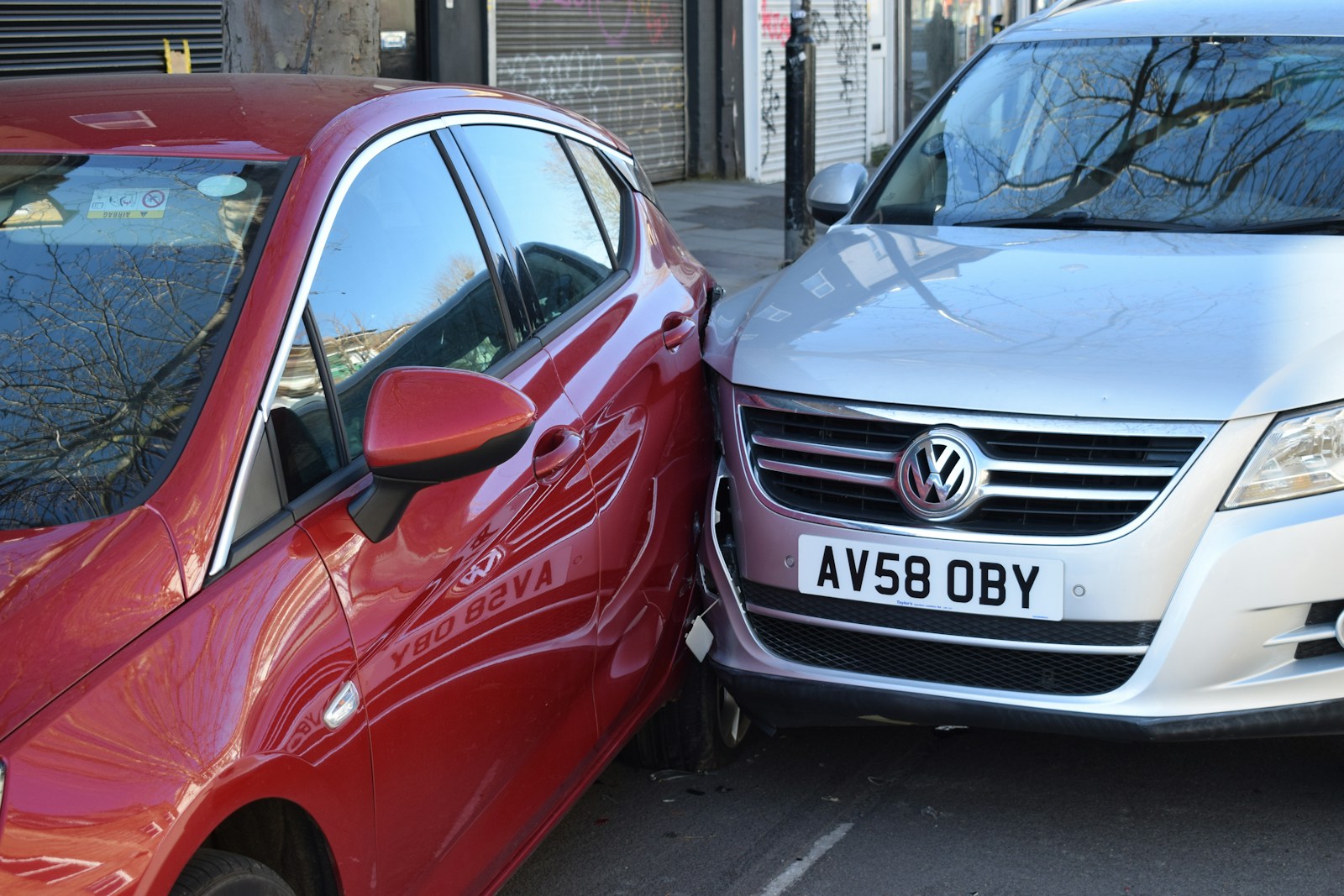

A 22-year-old driver pays £400 for car insurance through someone recommended in a WhatsApp group. The price is half what comparison sites quoted. The documents look real, complete with a policy number and an insurer’s logo. Three months later, the driver rear-ends another car, calls to file a claim and is told the policy was cancelled weeks ago. The insurer has no record of them. The police treat them as uninsured.
This is ghost broking, and it is one of the fastest-growing insurance frauds in the UK, with a rising footprint in the United States and Canada. Fraudsters posing as legitimate insurance intermediaries sell worthless or doctored policies, pocket the premiums and vanish, leaving drivers to face fines, vehicle seizures and personal liability for crash damages they believed were covered.
What ghost brokers actually do
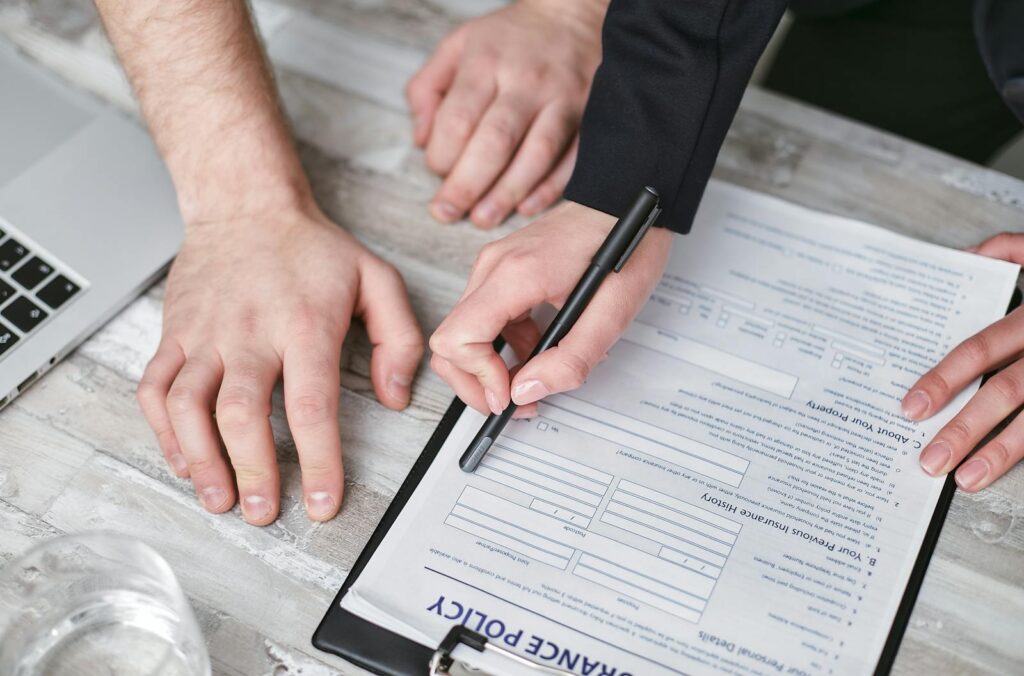
A ghost broker is someone who poses as a licensed insurance agent or broker but sells policies that are forged, altered or quietly cancelled after purchase. The National Insurance Crime Bureau (NICB) defines them as individuals who misrepresent themselves as agents and provide fabricated or manipulated documents that are passed to victims as genuine coverage.
In the UK, the City of London Police’s Insurance Fraud Enforcement Department (IFED) describes a common method: the fraudster takes out a real policy in the victim’s name using false personal details (a different age, occupation or postcode) to lower the premium, then hands over the documents and keeps the difference. In some cases, the broker later cancels the policy entirely and pockets the refund too. The victim drives for weeks or months believing they are insured.
Other ghost brokers skip real insurers altogether and fabricate documents from scratch, using logos and policy numbers that look authentic but do not correspond to any active coverage. As Allstate’s fraud guidance notes, some brokers intercept legitimate policy documents from the carrier, cancel the cover behind the customer’s back and keep the premium while the driver continues using what appears to be valid paperwork.
Who gets targeted and where the scam lives
Ghost brokers thrive on social media. They advertise in Facebook groups, on Instagram, through TikTok comments and in WhatsApp or Telegram chats, often targeting drivers in specific cities or age brackets. A Birmingham Mail investigation found that a growing number of UK motorists were being lured by bogus deals shared in private groups, with offers that promise steep discounts for paying by bank transfer or cash, two methods that are nearly impossible to trace or reverse.
Young drivers are disproportionately affected. A November 2024 survey by Aviva, one of the UK’s largest insurers, found that 30 percent of young drivers said they had purchased car insurance from someone operating illegally on social media who turned out to be a ghost broker. That figure is striking but not surprising: young drivers face the highest legitimate premiums, sometimes exceeding £2,000 a year in the UK, which makes a £500 quote from a “broker” on Instagram look like a lifeline rather than a trap.
The scam is not limited to Britain. The NICB has flagged ghost broking as a growing concern in the United States, particularly in states with high minimum coverage requirements and large uninsured-driver populations. In Canada, provincial regulators have issued similar warnings.
Red flags that signal a fake policy
Ghost brokers succeed because their paperwork often looks convincing at first glance. But fraud investigators point to consistent warning signs:
- Unsolicited contact. The broker reaches out via direct message, text or email rather than through a company website or referral from a licensed agency. Germania Insurance’s fraud guide warns that scammers often use fake addresses mimicking real agencies and send attachments with subtle errors in grammar, spelling or formatting.
- Pressure to pay fast. Offers are framed as exclusive or time-limited. A legitimate broker will never rush you into paying before you have verified their credentials.
- Payment by bank transfer, cash or cryptocurrency. Genuine insurers and brokers accept standard payment methods and provide receipts tied to a verifiable business.
- Price that undercuts every comparison site. If a quote is dramatically cheaper than anything else on the market, the coverage is almost certainly fake or built on false information that will void the policy.
- No verifiable license or registration. The broker cannot provide a license number, or the number does not match any entry on a regulator’s public register.
The Insurance Fraud Bureau (IFB) in the UK has stressed that policies bought through ghost brokers are frequently based on falsified personal details, meaning even if the policy was briefly real, the insurer has grounds to void it the moment the true facts emerge.
What happens when the cover turns out to be worthless
Victims typically discover the fraud at the worst possible moment: after a collision, during a routine police stop or when they try to renew. The City of London Police warn that once officers or insurers check the policy and find it invalid or cancelled, the driver is treated as uninsured, regardless of what they thought they had purchased.
The consequences are severe and immediate:
- In the UK: Driving without insurance carries a fixed penalty of £300 and six points on the licence. Courts can impose unlimited fines and disqualify the driver. Police can seize and destroy the vehicle on the spot.
- In the US: Penalties vary by state but commonly include fines, licence suspension and vehicle impoundment. In some states, a lapse in coverage triggers an SR-22 filing requirement that raises premiums for years.
The financial exposure goes further. As legal analysis from Kennedys Law explains, when a policy is voided because it was obtained through fraud, the insurer has no obligation to pay for repairs, medical bills or third-party damage. If the uninsured driver caused a serious accident, they can be held personally liable for costs running into tens of thousands of pounds or dollars. A conviction for driving uninsured also inflates future premiums, creating a vicious cycle in which legitimate cover becomes even harder to afford.
How to verify a broker before you pay
Every major insurance market maintains a public register of licensed brokers and agents. Checking takes minutes and can prevent months of legal and financial fallout.
- United Kingdom: Search the Financial Conduct Authority (FCA) register to confirm that the broker or firm is authorised to sell insurance. If they are not listed, do not hand over money.
- United States: The National Association of Insurance Commissioners (NAIC) advises checking that any agent holds a valid state licence. Each state’s department of insurance maintains a searchable database.
- Canada: Provincial regulators such as the Registered Insurance Brokers of Ontario (RIBO) maintain public directories of licensed brokers.
Beyond checking registers, drivers should always contact the insurer directly using the phone number on the company’s official website to confirm that a policy is active and that the details match. If a broker discourages you from calling the insurer, that alone is a reason to walk away.
What to do if you have already been scammed
If you suspect you bought insurance from a ghost broker, act quickly:
- Stop driving immediately. You are legally uninsured, and any further driving increases your exposure to penalties and liability.
- Report the fraud. In the UK, contact Action Fraud (the national fraud reporting centre) and the IFB’s Cheatline. In the US, file a complaint with your state’s department of insurance and report the incident to the NICB. In Canada, contact your provincial insurance regulator.
- Preserve all evidence. Save messages, payment receipts, policy documents and any contact details for the broker.
- Buy legitimate cover. Use a comparison site or contact a broker verified through your country’s regulator before getting back on the road.
Ghost broking persists because it exploits a real problem: insurance is expensive, especially for young and new drivers. But a policy that does not exist is not a bargain. It is a liability. The few minutes it takes to verify a broker’s credentials are the cheapest protection any driver can buy.
More from Wilder Media Group: