
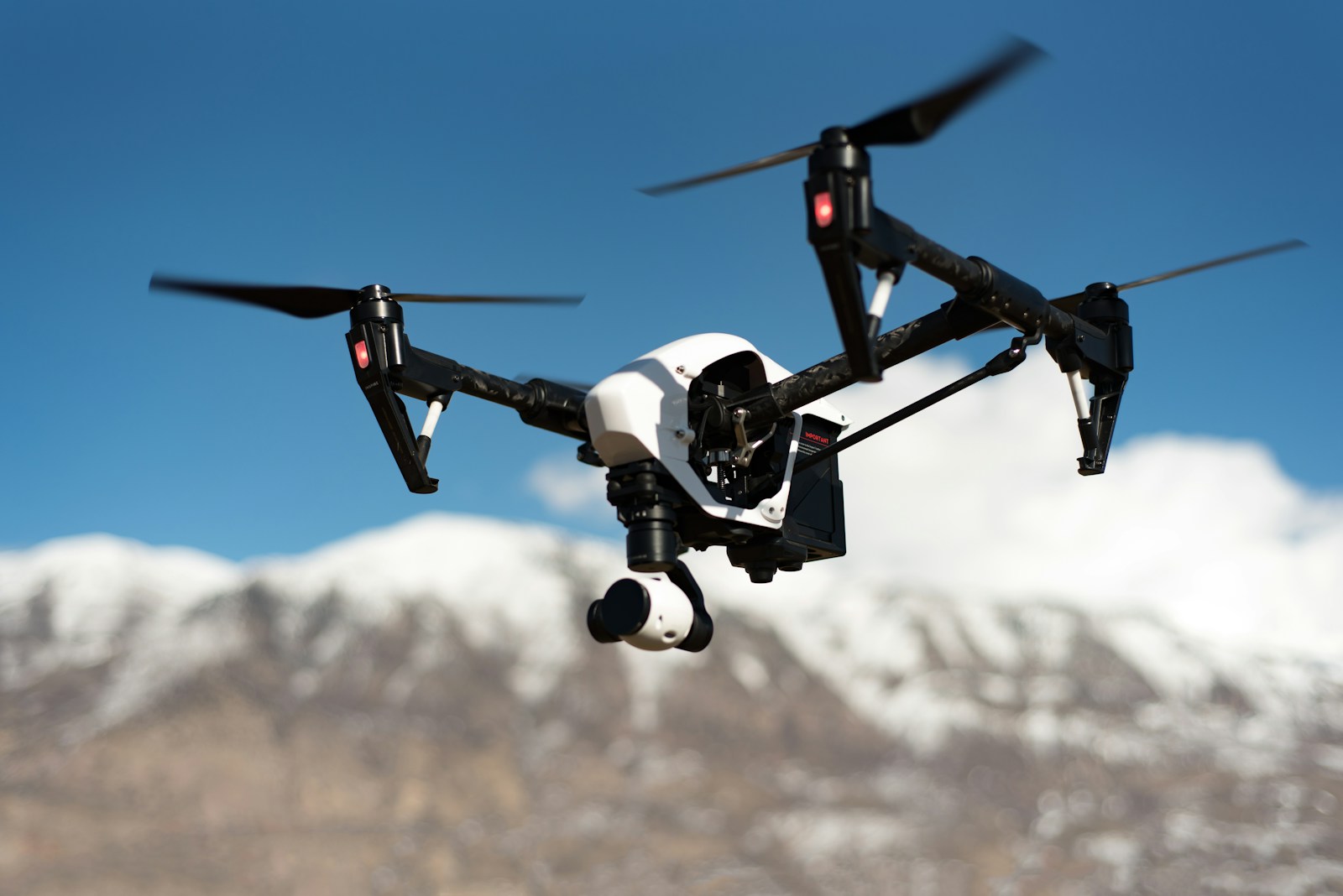

The Federal Communications Commission has taken one of its most sweeping national security steps in years, moving to effectively block new foreign-made drones from entering the United States market. By targeting the communications approvals that every unmanned aircraft system needs to operate legally, the agency is cutting off the pipeline of new imported models and reshaping a fast-growing industry that ranges from hobby pilots to critical infrastructure inspectors.
The move reflects a broader shift in Washington toward treating small aircraft as potential vectors for espionage and sabotage rather than just flying cameras. It also signals a bet that the United States can build a stronger domestic drone ecosystem if foreign-made unmanned aircraft systems lose their privileged access to American skies.
The FCC’s unprecedented step against foreign drones
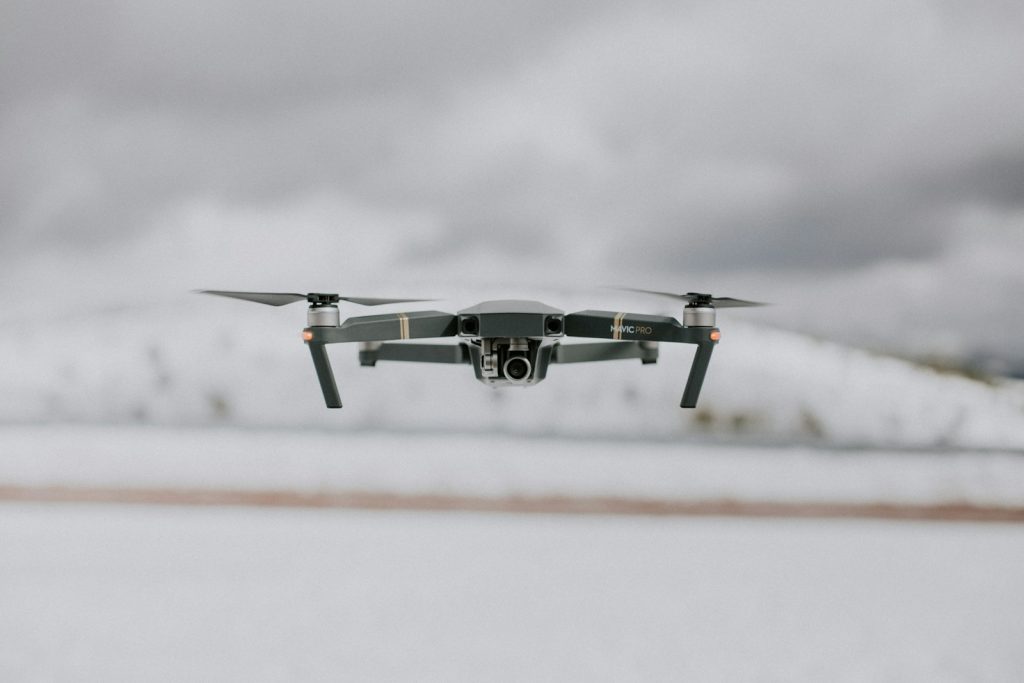
The Federal Communications Commission has used its authority over communications equipment to reach deep into the drone market, adding all foreign-manufactured unmanned aircraft systems and related parts to a national security blacklist. In a Public Safety and Homeland Security Bureau action, the Federal Communications Commission, often referred to as the FCC or Commission, directed that foreign-produced uncrewed aircraft systems and UAS critical components be added to the Secure and Trusted Communications Networks program’s Covered List, a move that sweeps in entire product categories rather than a few named brands. The decision means that any foreign-manufactured unmanned aircraft system that relies on radio modules or control links subject to FCC certification is now treated as a potential security risk under the same framework that previously targeted telecom gear.
Legal analysts describe the step as a first-of-its-kind expansion of the Covered List into the aviation space, noting that the Federal Communications Commission has historically focused on network infrastructure rather than aircraft. By directing that all foreign-produced uncrewed aircraft systems and UAS critical components be added in a single action, the Public Safety and Homeland Security Bureau signaled that it views the entire foreign drone supply chain as intertwined with national security concerns rather than a set of isolated bad actors.
How the Covered List became the choke point
The Secure and Trusted Communications Networks program’s Covered List has quietly become one of Washington’s most powerful tools for excluding technology tied to foreign adversaries. Earlier actions focused on telecommunications equipment, but the Federal Communications Commission has now updated the Covered List to explicitly include Unmanned Aerial Systems and UAS critical components, treating them as communications devices that can be restricted from the U.S. market. By placing foreign-made drones on the Covered List, the FCC is not banning them in name, it is cutting off the ability of manufacturers to obtain the equipment authorizations that are a prerequisite for legal sale and operation.
Trade and regulatory specialists note that the Covered List update effectively bars new approvals for U.S. drone imports, since uncrewed aircraft systems and their radio components can no longer clear the Secure and Trusted Communications Networks review process once they are listed. The FCC’s own Public Notice and Fact Sheet explain that uncrewed aircraft systems and UAS critical components added to the Covered List will not be able to obtain equipment authorizations, which means they cannot be marketed or sold in the United States. That interpretation is echoed in legal commentary that describes how the Public Notice and Fact Sheet turn the Covered List into a de facto gatekeeper for any foreign drone seeking access to American consumers.
National security determination and the legal trigger
The legal foundation for the drone crackdown rests on a formal National Security Determination that the FCC says it received from the national security community. In a key enforcement document, the agency notes that On December it received a National Security Determination regarding the risks posed by foreign-manufactured uncrewed aircraft systems, and that this National Security Determination provided the basis for adding those systems and their critical components to the Covered List. By tying its action directly to a National Security Determination, the FCC is aligning its regulatory posture with the broader intelligence and defense assessment that foreign drones can be used for surveillance, data exfiltration, or disruption of critical infrastructure.
The FCC’s public filings emphasize that the National Security Determination is not a vague concern but a formal finding that certain categories of equipment pose an unacceptable risk to U.S. networks and infrastructure. The agency’s Public Safety and Homeland Security Bureau cites this National Security Determination as the reason it can move quickly to restrict equipment authorizations for foreign-made drones without going through a lengthy new rulemaking. The reference to On December in the National Security Determination document underscores that the drone decision is part of a coordinated national security response rather than an isolated regulatory experiment.
What the ban actually covers: drones and critical components
At the heart of the policy is a broad definition of what counts as a foreign drone and which parts are swept into the restrictions. The Federal Communications Commission has stated that it is adding all foreign-manufactured unmanned aircraft systems and UAS critical components to the Covered List, a phrase that captures complete aircraft, flight controllers, communications links, and other electronics that enable remote operation. In its explanation of the move, the FCC stresses that the notice is an immediate step to protect national security and restore American airspace sovereignty, framing the addition of foreign-manufactured unmanned aircraft systems as a defensive measure rather than a trade policy maneuver.
Industry-focused summaries of the decision highlight that the FCC is not only targeting finished drones but also the critical components that can be embedded in other platforms or sold as aftermarket upgrades. The Federal Communications Commission has clarified that foreign-manufactured unmanned aircraft systems and UAS critical components added to the Covered List are now treated the same way as previously restricted communications gear, which means they cannot receive new certifications for use or sale in the United States. Analysts point out that this approach is designed to prevent manufacturers from bypassing the rules by shipping key parts separately, and that the addition of all foreign-made drones and critical components closes many of the loopholes that might otherwise exist.
From Chinese-made drones to a global foreign-manufactured category
For years, Chinese-made drones have dominated the U.S. market, and security officials have warned that aircraft built by companies in strategic competitor countries could be used to collect sensitive data. The FCC has now moved from targeting specific Chinese-made drones to a broader policy that treats all foreign-manufactured unmanned aircraft systems as potential risks, even though the political debate has often centered on Chinese brands. In its public messaging, the FCC has described how Chinese-made drones became deeply embedded in sectors ranging from public safety to agriculture, and how that dependence raised alarms about data flows and control over critical aerial platforms.
Security-focused commentary notes that the FCC’s action effectively bans new Chinese-made drones and their critical components from entering the U.S. market, while also capturing other foreign suppliers under the same umbrella. According to one analysis, the commission has concluded that Chinese-made drones and similar foreign platforms pose unacceptable security risks because of their potential links to foreign governments and their access to high-resolution imagery and location data. The description of how Chinese-made drones have long dominated a fast-growing drone industry underscores why the FCC chose to act at the system level rather than singling out one or two manufacturers by name.
Impact on imports, approvals, and the U.S. drone market
The most immediate consequence of the FCC’s move is a freeze on new approvals for foreign-made drones entering the U.S. market. Trade specialists explain that the FCC has barred new equipment authorizations for uncrewed aircraft systems and UAS critical components that appear on the Covered List, which means importers can no longer secure the certifications required to sell those products domestically. The Secure and Trusted Communications Networks framework now functions as a customs filter, since any foreign drone lacking FCC authorization cannot be legally marketed or used in the United States.
Industry observers note that the decision effectively blacklists new foreign-made drones from entering the marketplace, a shift that is already being felt by sectors that rely heavily on imported aircraft. Agricultural users, for example, are being warned that new foreign-made drones will not be available for purchase once existing inventories are exhausted, and that they may need to look to domestic suppliers or refurbished equipment. Reporting aimed at rural and agricultural audiences describes how the United States has banned new foreign-made drones from entering the marketplace, quoting FCC statements that frame the move as a necessary step to protect national security even as it disrupts established supply chains.
DJI, hobbyists, and the consumer drone squeeze
Among consumers, the most visible impact of the FCC’s decision is on popular brands associated with recreational and semi-professional flying. Commentators analyzing the DJI Ban 2026 note that On December 22, 2025, the DJI was effectively swept into the new restrictions when all foreign-manufactured unmanned aircraft systems were added to the Covered List, even though the FCC did not single out DJI by name in its formal documents. Consumer-focused guides now argue that it may be a Smart Decision to Buy a DJI drone under $500 before inventories run dry, since new models will not be able to obtain the necessary equipment authorizations once the ban on foreign-manufactured unmanned aircraft systems fully takes hold.
Technology coverage aimed at everyday drone pilots emphasizes that While DJI was not singled out, no information has been released regarding what information was used by the Executive branch to support the National Security Determination that underpins the FCC’s action. That lack of transparency has fueled debate among hobbyists and small businesses that rely on affordable foreign-made drones for photography, mapping, and content creation. Analysts warn that the FCC’s foreign-made drone import restrictions will be bad news for anyone who has built a workflow around these aircraft, since the foreign drone ban will gradually shrink the pool of available models and replacement parts even if existing aircraft can continue flying.
Security agencies, risk management, and “airspace sovereignty”
Federal security agencies are encouraging organizations to treat the FCC’s Covered List as a practical risk management tool rather than just a regulatory formality. The Cybersecurity and Infrastructure Security Agency has urged operators of critical infrastructure, public safety agencies, and other high-value targets to use the Covered List for procurement decisions, steering them away from foreign-manufactured unmanned aircraft systems and UAS critical components that have been flagged as security risks. By integrating the Covered List into broader cybersecurity guidance, The Cybersecurity and Infrastructure Security Agency is signaling that drones are now part of the same threat landscape as routers, cameras, and other networked devices.
The FCC itself has framed the drone restrictions as a way to bolster airspace sovereignty and support a domestic industrial base. In its explanation of the Covered List expansion, the Federal Communications Commission states that adding Unmanned Aerial Systems and UAS critical components is intended to protect national security and strengthen the domestic drone industrial base, language that links security concerns with industrial policy. Commentators on unmanned systems policy note that the FCC’s move is designed to restore American airspace sovereignty by reducing reliance on foreign-manufactured platforms, and that the restrictions on foreign drones and components are being presented as both a security measure and a catalyst for domestic innovation.
Winners, losers, and the race to build a domestic drone ecosystem
While foreign manufacturers face new barriers, domestic drone makers and component suppliers see an opening to capture market share that was previously out of reach. Analysts note that the Federal Communications Commission has explicitly linked the Covered List expansion to a desire to unleash American drone dominance, suggesting that the agency expects U.S. companies to step into the gap created by the foreign-manufactured unmanned aircraft systems restrictions. Trade-focused reporting explains that the FCC updated its Secure and Trusted Communications Networks Covered List to include UAS and UAS critical components, and that this move is intended not only to block risky imports but also to encourage investment in homegrown alternatives.
Some technology commentators are already asking whether the FCC’s new drone policy will accelerate adjacent industries such as additive manufacturing. One analysis points out that The US FCC, identified as the Federal Communications Commission, has said that it will not certify any new foreign-manufactured drones or drone components, which could push innovators toward modular, locally produced platforms that rely on 3D printed parts and open-source flight controllers. The same commentary notes that the FCC’s stance on equipment authorizations applies to new device models, which means that domestic designers who can meet security expectations may find a more receptive regulatory environment. As observers debate whether the new drone ban will be a boon for 3D printing, they also highlight how the Share this Article discussion reflects a broader shift toward localized, secure manufacturing in response to the FCC’s Covered List decisions.
What comes next: compliance, enforcement, and legal questions
With the policy now in place, the focus is shifting to how manufacturers, importers, and operators will comply with the new rules and how aggressively the FCC will enforce them. Legal briefings explain that the Federal Communications Commission has banned all new foreign-made drones and components over concerns they could be used to compromise U.S. communications networks, and that companies seeking to bring new models to market will need to demonstrate that their products are not foreign-manufactured unmanned aircraft systems or UAS critical components covered by the restrictions. The Bottom Line Up Front in these analyses is that foreign drone makers will no longer be able to obtain the equipment authorizations required to sell their products in the US for use or sale, which effectively closes the door on new foreign entries.
Compliance will also require careful attention from organizations that already operate large drone fleets, including utilities, law enforcement agencies, and agricultural businesses. The FCC has indicated that the notice is an immediate step to protect national security and restore American airspace sovereignty, which suggests that enforcement will focus on preventing new authorizations rather than retroactively grounding existing aircraft. Even so, operators will need to track how the Covered List evolves and how the Cybersecurity and Infrastructure Security Agency recommends using the Covered List for procurement and risk management. As legal experts parse the language in the FCC’s Public Safety and Homeland Security Bureau documents and the Covered List Expansions analysis, they are watching for potential court challenges and clarifications that could refine how the foreign-manufactured unmanned aircraft systems restrictions apply in edge cases.
A broader shift in U.S. tech security policy
The FCC’s drone decision fits into a larger pattern of U.S. policy that treats communications hardware and networked devices as strategic assets rather than neutral tools. Earlier actions against telecom equipment providers laid the groundwork for using the Secure and Trusted Communications Networks program as a national security instrument, and the expansion to foreign-manufactured unmanned aircraft systems shows how that framework can be extended to new categories of technology. The Federal Communications Commission has made clear that it views drones as part of the communications ecosystem, since they rely on radio links, data transmission, and often cloud connectivity, which brings them squarely within the agency’s mandate.
As the policy landscape evolves, stakeholders across the drone ecosystem are recalibrating their strategies. Foreign manufacturers must decide whether to invest in U.S.-based production or pivot to other markets, while domestic firms weigh how quickly they can scale to meet demand created by the restrictions on foreign-made drones and critical components. Security agencies, meanwhile, are integrating the Covered List into broader guidance for protecting critical infrastructure and managing supply chain risk. The FCC’s own description of the notice as an immediate step to protect national security and restore American airspace sovereignty, reflected in its statement on airspace sovereignty, underscores that the move to block sales of foreign-made drones is not just about one product category but about redefining how the United States secures its skies and its networks.
Supporting sources: FCC Adds All Foreign-Made Drones and Critical Components …, FCC Adds All Foreign-Made Drones and Critical Components …, FCC Covered List Expansions: Foreign Drones and Drone Critical Components Are…, FCC Covered List Expansions: Foreign Drones and … – JD Supra, FCC Restricts Foreign Drones & Components to Bolster …, FCC Updates Covered List to Include Foreign UAS and UAS …, Understand the DJI Ban 2026 – NEW CAMERA, FCC Bans New Chinese-Made Drones, Citing Security Risks, FCC bars new approvals for U.S. drone imports, FCC heavily restricts foreign-made drones and drone components, Will the FCC New Drone Ban Be a Boon for 3D Printing?, DA 25-1086 Released: December 22, 2025 PUBLIC SAFETY …, The FCC’s Foreign Drone Ban Is Bad News for Anyone Who …, Banned: US blacklists new foreign-made drones from entering marketplace, In Unexpected, First-of-Its-Kind Action, FCC Adds All Foreign ….
More from Wilder Media Group: