
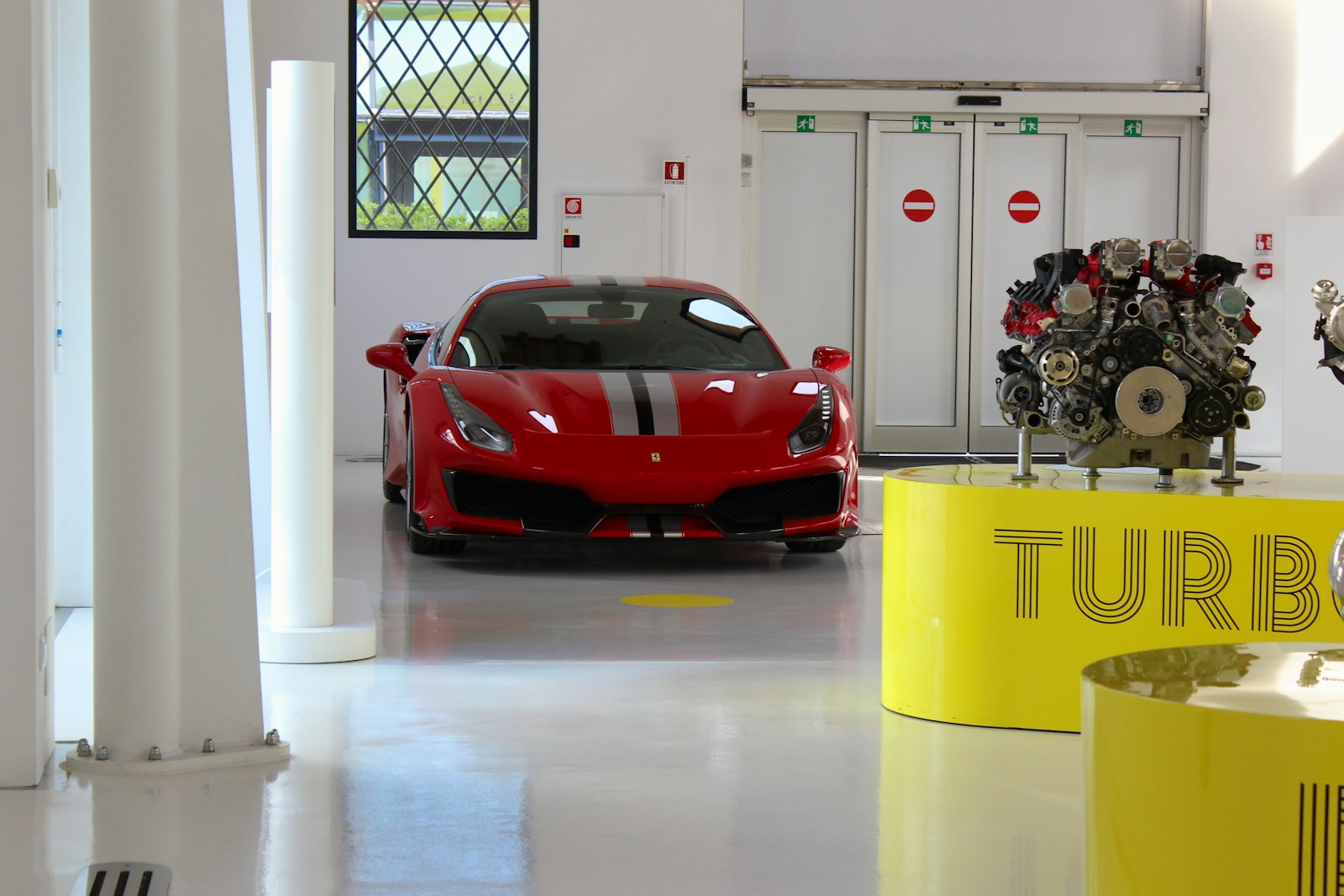

Ferrari spent years engineering plug in hybrid supercars that can creep silently through town, yet a big slice of its customers are treating those charging ports like decorative trim. Internal data shows owners of the brand’s electrified flagships are barely using the battery power that was meant to future proof their cars. Instead, they are driving them almost entirely as traditional combustion exotics, with the cable only coming out when the cars sit in storage.
That gap between design intent and real world behavior says a lot about how ultra wealthy drivers see electrification. For them, the hybrid hardware is less about saving fuel and more about unlocking outrageous performance without sacrificing the familiar drama of a Ferrari V8 or V6. The result is a quiet experiment in how far the plug in hybrid formula can stretch when the people buying the cars are in no rush to go fully electric.
Ferrari’s data shows owners skipping the plug
The wake up call for Maranello arrived at a launch event for the new 849 Testarossa in Spain, where executives shared what five years of ownership data had revealed. Across the company’s plug in hybrid range, including the SF90, the 296 GTB and 296 GTS, customers were rarely plugging their cars in at home or at public chargers. The charging cable, they explained, mostly comes out when the cars are parked for extended periods, used more like a battery maintainer than a daily lifeline.
That conclusion did not come from guesswork. It was backed by an internal analysis of telematics and usage patterns stretching across those five years, covering how often owners selected different drive modes and how frequently the high voltage pack was topped up. A separate Analysis of Ferrari data underscored the same point, noting that pure electric running is almost never used and that the blended hybrid settings dominate real world driving.
Electric modes exist, but the engine still steals the show
On paper, Ferrari’s plug in hybrids are sophisticated pieces of electrified engineering. The SF90 Stradale pairs a twin turbo V8 with a trio of electric motors and a sizable battery, while the 296 family uses a V6 with a single motor to deliver supercar pace. Both lineups offer a full electric mode for short, quiet trips and a second setting that automatically juggles engine and battery power. Yet Ferrari’s own breakdown of usage shows those first two modes are “seldom if ever” selected, with owners jumping straight to the performance focused settings that keep the engine awake.
That behavior tracks with how the cars are marketed and understood. Official guidance for recharging the 296 GTB walks owners through plugging in at home or on the road, but the emotional pitch is still about lap times and throttle response. Reporting on the first two electric oriented modes makes clear they are technically available across Ferrari’s plug in hybrid models, yet they are treated by many buyers as backup options rather than the default way to move around town.
Hybrid strategy built around performance, not plugging in
Ferrari’s engineers seem to have anticipated that reluctance to charge, and they have tuned the cars accordingly. In the default hybrid setting, the system is designed to keep the battery topped up through regenerative braking and engine running, so the driver can enjoy bursts of electric torque without ever touching a wall box. Technical briefings on the plug in strategy explain that the car will constantly manage energy flows to preserve performance, rather than chasing maximum electric only range.
That philosophy carries straight into the new Testarossa, where Brake feel and energy recovery are carefully blended so the driver experiences a consistent pedal, not the grabby sensation common in some full battery electric vehicles. With the With the hybrid mode, the intent is explicitly to let owners enjoy the car without feeling obliged to plug the vehicle in, a design choice that effectively validates the way customers are already using their cars.
More from Wilder Media Group: