

Honda is bracing for its first annual net loss since the 2009 fiscal year. Ford’s electric vehicle division is on pace to burn through another $4.5 billion this year alone. Both automakers announced sweeping changes to their product lineups in March 2026, canceling high-profile models and writing down billions in sunk investment as the economics of the EV transition prove far harsher than either company projected just two years ago.
The retreats are not minor course corrections. Honda is scrapping three electric vehicles that were headed for U.S. production. Ford is winding down the Escape, one of America’s best-selling compact SUVs for two decades, while slowing its broader electric rollout. Together, the moves signal that legacy automakers are now prioritizing survival math over electrification timelines.
Honda’s $15.7 billion reckoning
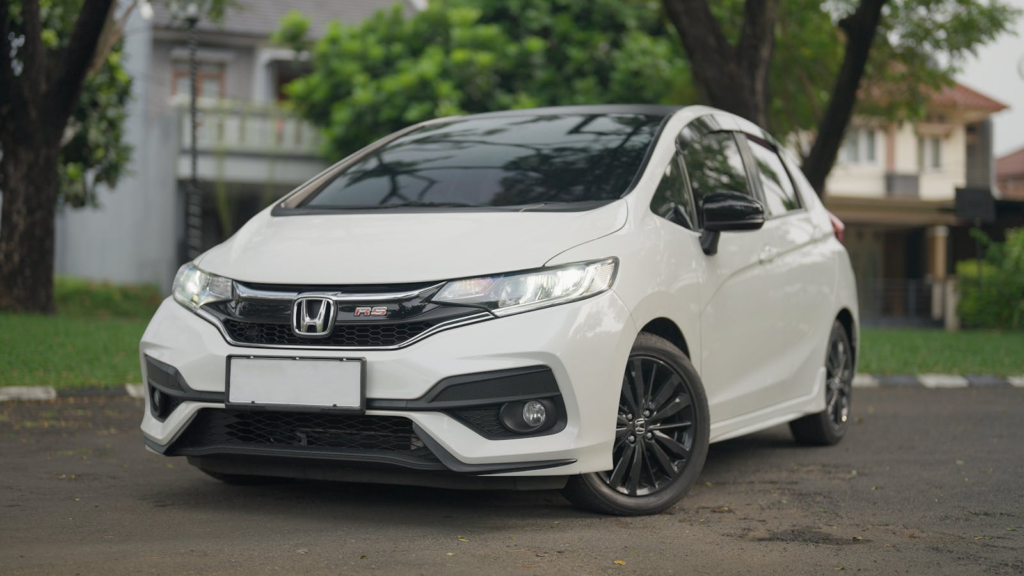
In a March 12 statement, Honda disclosed that it expects charges of up to 2.5 trillion yen (roughly $15.7 billion) tied to a wholesale restructuring of its EV strategy. The write-down is large enough to push the company into the red for the fiscal year ending March 2026, which would mark Honda’s first full-year net loss since the global financial crisis, according to Reuters.
Three electric models slated for North American assembly have been canceled outright. Reporting from Automotive News identified the affected vehicles as part of Honda’s 0 Series program, including a planned Acura RSX electric crossover. The cancellations will affect supplier contracts, dealer allocation plans, and workforce scheduling at Honda’s Ohio manufacturing complex, where the vehicles were expected to be built.
Honda framed the decision as a response to conditions that have shifted dramatically since it laid out its original EV roadmap in 2022: slower-than-forecast demand growth in North America, aggressive price cuts from competitors (particularly Chinese manufacturers expanding globally), and persistent battery cost pressures. Rather than continue funding programs with uncertain returns, the company said it would redirect capital toward models and technologies with clearer paths to profitability.
What forced Honda’s hand
The write-down did not happen in isolation. Honda’s strategic reset follows the collapse of its proposed merger with Nissan, which fell apart in early 2026 after months of negotiations failed to produce agreement on governance and cost-sharing. That deal, had it closed, would have given Honda access to Nissan’s EV platforms and spread development costs across a much larger production base.
Without that partnership, Honda faces the full expense of building out its electric lineup alone, at a moment when the return on that investment looks far less certain. U.S. tariff policy has added another layer of cost pressure. Tariffs on imported vehicles and components, tightened under the current administration, have raised the landed cost of parts sourced from Asia and made North American production planning more complex.
Honda is not abandoning electrification. Executives have signaled that the company will lean more heavily on hybrid powertrains in the near term, a segment where Honda has deep engineering expertise and where consumer demand remains strong. Future battery-electric models will come on revised timelines, with a sharper focus on cost control from the outset.
Ford’s EV division keeps bleeding cash
Ford’s situation is different in structure but similar in scale. The company split its operations into three units in 2023: Ford Blue (internal combustion), Ford Pro (commercial vehicles), and Model e (electric vehicles). The separation was meant to bring transparency and accountability to each business. It has done that, but the transparency has been unflattering for Model e.
Ford has told investors that Model e could lose as much as $4.5 billion in 2026, with breakeven not expected before 2029. The losses stem from first-generation products that were engineered before battery costs stabilized, rapid capacity build-out at new plants (including the BlueOval City complex in Tennessee), and pricing pressure from Tesla and a growing roster of Chinese-designed competitors entering global markets.
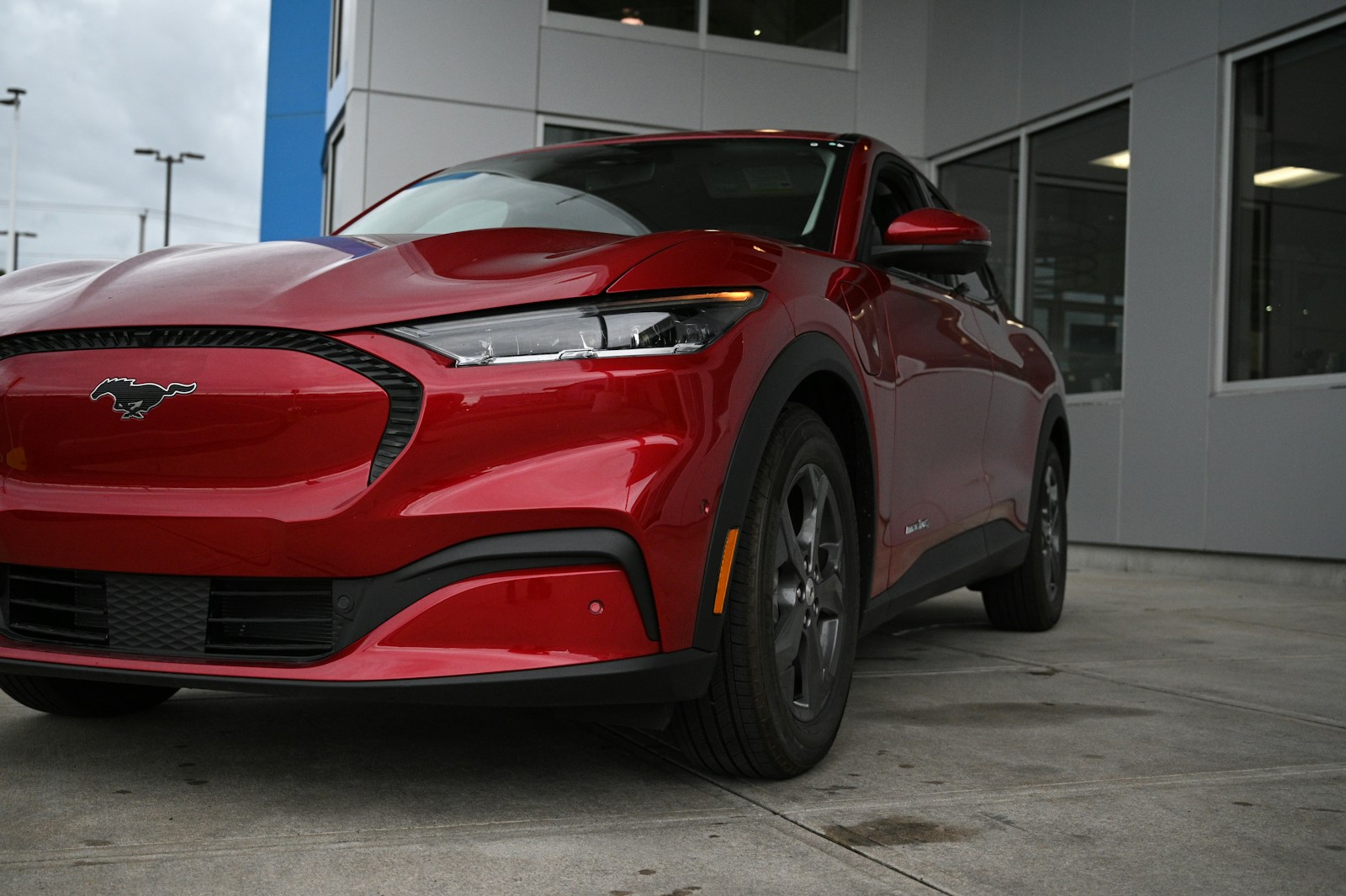
Ford has responded by slowing some launches, scaling back battery plant expansion plans, and reworking the content and pricing of existing EVs like the Mustang Mach-E and F-150 Lightning to chase more realistic margins. CEO Jim Farley has repeatedly emphasized that Ford will not chase volume at the expense of profitability, a stance that amounts to an admission that earlier EV targets were set too aggressively.
The end of the Ford Escape
Ford’s restructuring extends beyond electric vehicles. The company is also discontinuing the Escape, its compact crossover that has been in continuous production since 2000. Despite consistent sales, the Escape no longer fits Ford’s margin targets. The model occupies a segment where price competition is fierce and per-unit profits are thin compared to the trucks, commercial vans, and larger SUVs that now anchor Ford’s bottom line.
Production is expected to wind down during the 2026 model year, according to Automotive News reporting on Ford’s product roadmap. The Louisville Assembly Plant, which builds the Escape, is slated for retooling. Ford is betting that buyers who would have chosen an Escape will move to the Bronco Sport or other models in its crossover lineup rather than leave the brand.
For dealers, the discontinuation is a mixed signal: it simplifies inventory but removes a high-volume nameplate that reliably brought customers into showrooms. For the broader market, it is another sign that even proven sellers are vulnerable when they do not generate enough profit per unit to justify their factory footprint.
A pattern across the industry
Honda and Ford are the most visible examples of a trend running through the legacy auto sector. General Motors has flagged significant EV-related losses as it ramps up Ultium-based models. Volkswagen has announced cost-cutting programs tied to its own slower-than-expected electric transition in Europe and North America. Stellantis, formed from the merger of Fiat Chrysler and PSA, has pulled back on several EV launches amid weak demand in Europe.
Collectively, these companies have absorbed tens of billions of dollars in EV charges over the past two years. The pattern suggests that the industry’s initial electrification timelines, many of which were set during a period of EV enthusiasm in 2021 and 2022, underestimated how long it would take for battery costs to fall, charging infrastructure to mature, and mainstream buyers to shift purchasing habits.
None of these automakers are abandoning electric vehicles entirely. But the era of open-ended EV spending, justified by market-share ambitions and regulatory deadlines, appears to be giving way to a more disciplined approach where every electric program must prove its financial case before it gets funded.
More from Wilder Media Group: