
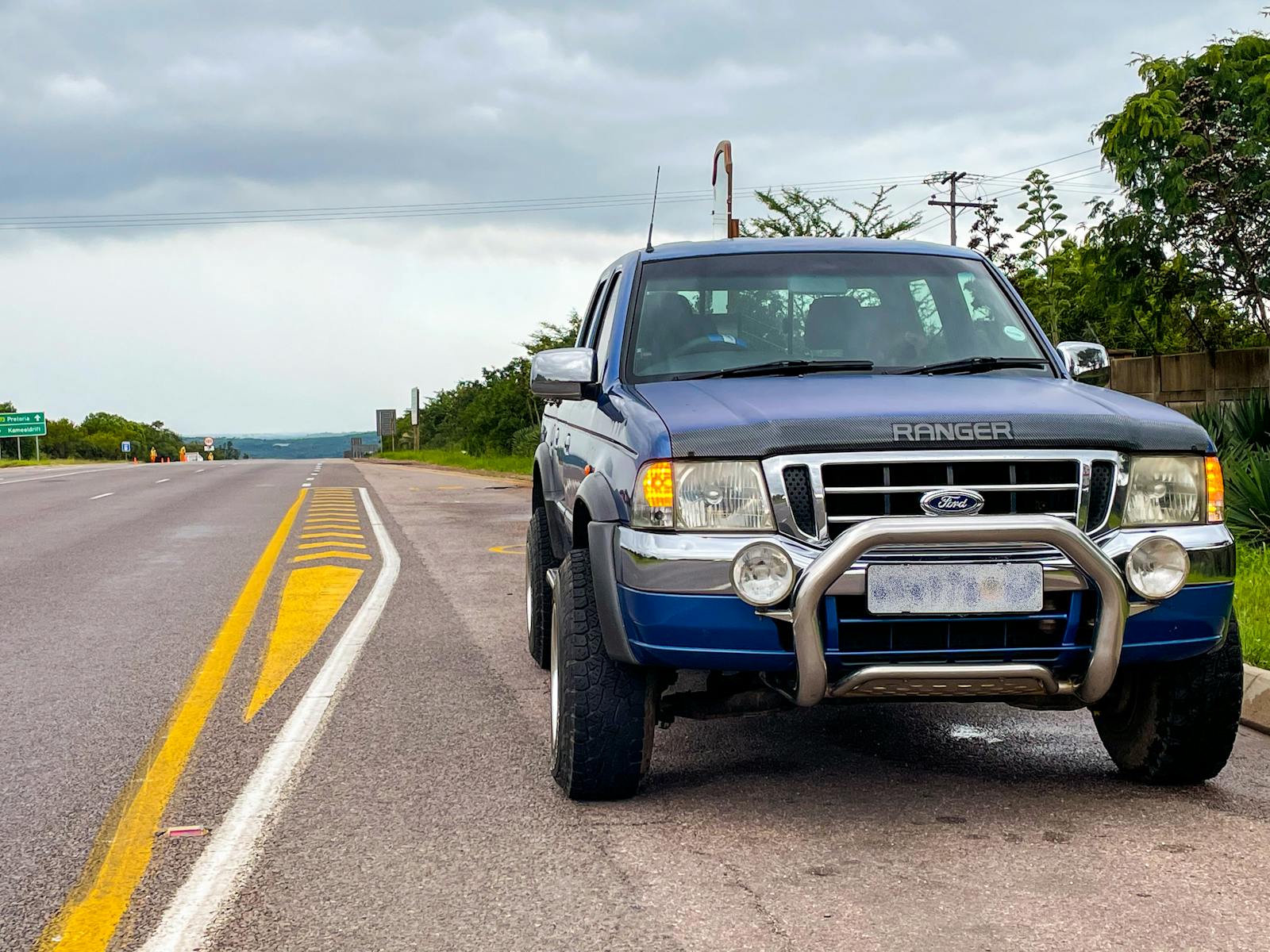

Ford is trying to hit the reset button on pricing, promising a new wave of vehicles that regular buyers can actually afford again. The company is sketching out a future where a family can get into a new truck or EV for under $40,000, with a headline-grabbing electric pickup targeting a starting price of $30,000. After years of creeping sticker shock, the plan is straightforward on paper: fewer $50,000 status symbols, more honest workhorses that feel closer to the old-school Ford promise.
Delivering on that vision means rethinking everything from platforms and batteries to which nameplates survive at all. It also requires Ford to prove it can build these cheaper vehicles without torching profits, especially as Chinese competitors and Tesla keep the pressure high. The reset is not just about price tags; it is about convincing buyers that Ford still understands America’s middle class.
Five sub-$40K models and a $30K truck bet
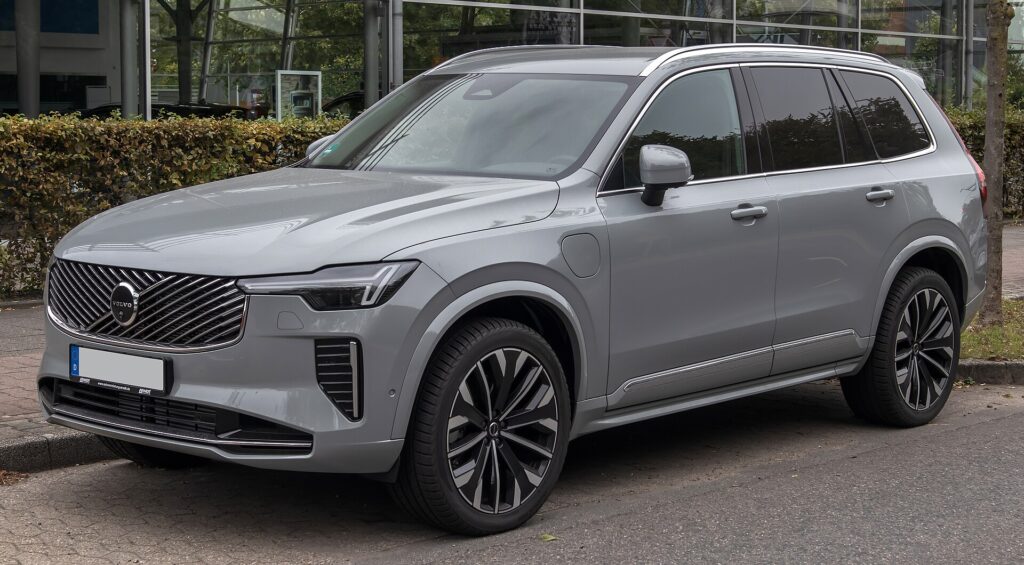
The backbone of the reset is a commitment from Ford Motor Co to bring out five new models priced under $40,000 by the end of the decade. Company leaders have told dealers to expect more vehicles under $40,000 as the lineup shifts toward smaller, more efficient products that still feel like real Fords rather than stripped-down economy cars, a message reinforced when Ford CEO Jim laid out the affordability push to retailers. Internal planning details indicate that at least one of those five will be a new EV, while others are expected to be hybrids or more efficient combustion models that sit below the current wave of pricey trucks and SUVs.
Executives have already described this as an affordability push aimed squarely at buyers who have been priced out of the new-car market. Reporting on the plan notes that Ford Motor Co intends to have those five models under $40,000 in showrooms by the end of the decade, with product planners stressing that customers still want choice rather than a one-size-fits-all cheap car, a point highlighted in coverage of five models under. Alongside that broader lineup, Ford is promising a mid-size electric pickup that starts at $30,000, a price that would undercut many current compact trucks and directly challenge aggressive Chinese EV offerings.
The $30,000 target is not just a marketing line. Ford has described a mid-size electric pickup arriving around 2027 on a new Universal EV platform with a starting price of approximately $30,000, a strategy spelled out in material on Ford Unveils Electric. Earlier comments from Ford CEO Jim Farley have also flagged sourcing work for a $30,000 mid-size electric pickup as nearly complete, reinforcing that this is a concrete product program rather than a vague concept, as described when Ford CEO Jim outlined the sourcing status. The company has even framed the effort as a $30,000 Gamble, with commentary on Ford Motor Compan exploring how that price point could reshape expectations for electric trucks in America.
Inside the UEV platform and cost-cutting playbook
To make those prices real, Ford is betting heavily on a fresh Universal EV architecture that it calls UEV, which is designed to simplify the structure and strip out cost, complexity, and weight. Internal targets describe UEV as a structural simplification that can support mid to high single-digit EBIT margins over a vehicle’s life cycle, with the goal of making EVs economically viable without leaning on subsidies, a point spelled out in analysis of UEV and EBIT. Ford has also detailed how the new EV platform focuses on affordability, efficiency, and scale, starting with a $30K pickup and using design choices that reduce costs, complexity, and weight, as described in coverage of Ford details new. That architecture is the backbone for the sub-$40K EVs and the $30,000 truck, and it is already influencing supplier relationships as Ford redraws its map of who provides what for the next generation of vehicles.
The engineering choices are equally aggressive. Ford has said it is shrinking battery sizes to hit the $30,000 EV price target, designing its next-generation EVs to be lighter, sleeker, and more electrically efficient so they can go farther on smaller packs, a strategy described in coverage of shrinking the battery. The company is also investing in Marshall, Michigan to make better batteries that use lower cost ingredients while still delivering a comfortable ride and what Ford describes as dynamic performance, as detailed in reporting on Marshall, Michigan. On the charging side, the still-unnamed truck is expected to use a 400-vo electrical architecture that is designed to charge the battery faster, maximize lifespan, and reduce total cost of ownership, according to technical details shared in analysis of the affordable truck development. Together, these choices form the guts of the reset strategy: less expensive hardware, smarter aerodynamics, and a platform that can be reused across multiple vehicles to spread costs.
More from Wilder Media Group: