

Ford is recalling more than 83,000 vehicles due to two separate safety concerns that could affect visibility and engine performance. The recalls cover 83,576 vehicles total, split between headlight malfunctions in certain Explorer SUVs and engine valve issues across multiple 2025 model year vehicles.
The affected vehicles include 35,772 model year 2025-2026 Ford Explorers experiencing headlight problems and 47,804 model year 2025 Ford vehicles with a faulty exhaust gas recirculation valve that could cause power loss. The headlight issue stems from a software calibration problem with the Explorer’s dynamic bending light feature, while the engine concern involves a valve that may stick open and reduce vehicle performance.
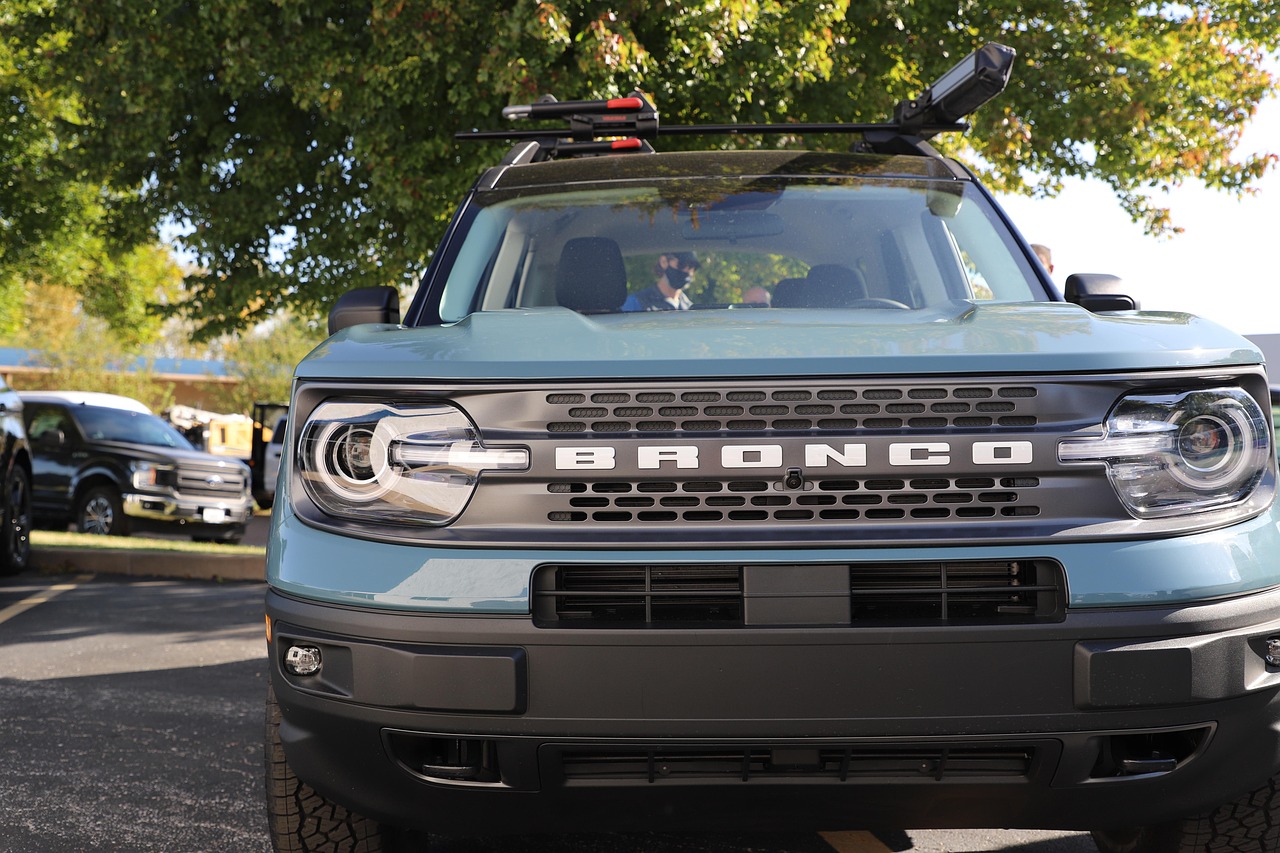
Owners of popular models like the Mustang, Bronco, Escape, Maverick, and others should check whether their vehicle is included in these recalls for power loss and headlight issues. Ford will notify affected owners and provide free repairs at dealerships, though the timing and specific remedies differ between the two recalls.
Details of the Ford Recalls and Affected Models
Ford issued two separate recalls covering more than 83,000 vehicles in March 2026. The first recall addresses a headlamp software problem affecting thousands of Explorer SUVs, while the second involves a faulty engine valve that could cause power loss across multiple Ford and Lincoln models.
Which Ford and Lincoln Vehicles Are Impacted?
The recalls affect vehicles from the 2025 and 2026 model years. The headlight-related recall impacts 35,772 model year 2025-2026 Ford Explorer SUVs equipped with dynamic bending light features.
The engine valve recall is significantly broader, affecting 47,804 vehicles across nine different nameplates. According to the NHTSA recall notice, the following 2025 models are included:
- Ford Ranger
- Ford Mustang
- Ford Maverick
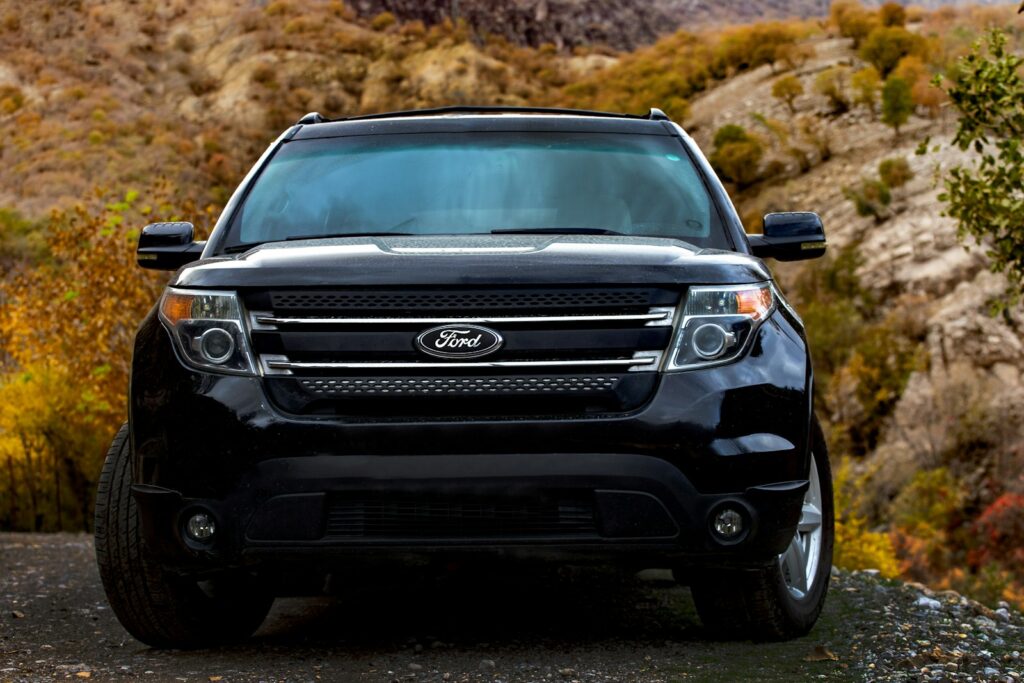
- Ford Explorer
- Ford Escape
- Ford Bronco
- Ford Bronco Sport
- Lincoln Nautilus
- Lincoln Corsair
All affected vehicles in the second recall are equipped with either 1.5-liter, 2.0-liter, or 2.3-liter engines.
Headlamp Control Module Software Calibration Problem
The Explorer SUVs have an incorrect headlamp control module software calibration that causes the right headlight to turn in the opposite direction during turns. When drivers turn left, the passenger-side headlight bends away from the curve instead of following it. On right turns, the left headlight follows the steering wheel correctly while the right headlight incorrectly bends inward toward the left.
The National Highway Traffic Safety Administration warns that this malfunction could create increased glare for oncoming drivers and raise the risk of a crash. Ford hasn’t reported any accidents or injuries related to this defect.
Fixes for the headlamp control module software will be available either through over-the-air updates or at Ford dealerships at no charge. Owner notification letters are scheduled to be mailed on March 23.
Engine Valve Issues and Loss of Motive Power
The second Ford recall involves problems with the engine gas recirculation (EGR) valve that could lead to a loss of motive power. The issue typically occurs at low speeds, which increases the risk of a crash according to safety regulators.
Ford hasn’t reported any accidents, injuries, or fires related to this condition. However, the automaker said a fix is still under development.
Owners will receive notification by mail once a remedy becomes available. They’ll need to schedule an appointment at a Ford or Lincoln dealer for the free repair, as over-the-air updates won’t resolve this mechanical issue.
Next Steps for Vehicle Owners and Safety Implications
Owners of affected Ford vehicles should verify whether their car is included in the recall and understand the timeline for repairs. The National Highway Traffic Safety Administration oversees the recall process to ensure manufacturers address safety defects promptly.
How to Check If Your Model Is Affected
Vehicle owners can determine if their car is part of the recall by visiting the Ford recall page or using the Ford app. Ford sends recall letters to the vehicle’s last known registered owner within 60 days of issuing the notice.
Drivers can also use the National Highway Traffic Safety Administration’s VIN lookup tool to check for recalls by entering their 17-digit vehicle identification number. The NHTSA database includes all manufacturer recalls and provides details about affected production years and safety issues.
The recall affects specific model years:
- 2025-2026 Explorer SUVs: 35,772 vehicles with headlight issues
- 2025 Bronco, Escape, Maverick, and Mustang: 47,804 vehicles with engine valve problems
Owners who recently moved should update their address with Ford to ensure they receive official recall notifications.
Ford’s Recall Process and Remedy Timeline
Ford dealers will perform repairs at no cost to vehicle owners once parts and solutions become available. For the headlight issue affecting Explorers, technicians will update the headlamp control module software calibration to resolve the problem.
The engine gas recirculation valve defect requires replacement parts, which may take several weeks to reach all dealerships. Ford typically prioritizes recalls based on safety severity and parts availability.
Owners can schedule service appointments through their local Ford dealer or by contacting Ford’s Customer Relationship Center at (800) 392-3673. The automaker recommends bringing recall notices to the service appointment, though dealers can verify recall status using the vehicle’s VIN.
Vehicle owners should continue driving their cars unless Ford issues specific guidance to stop operation, which the company announces for serious safety risks.
Safety Risks and NHTSA Role in Oversight
The headlight malfunction creates visibility problems that could increase crash risk during nighttime driving. Inoperable headlights reduce a driver’s ability to see the road and make the vehicle less visible to other motorists.
The faulty engine gas recirculation valve can cause sudden power loss while driving, creating dangerous situations on highways or in traffic. The National Highway Traffic Safety Administration posted these recall actions on March 14 to inform the public about the safety defects.
The NHTSA monitors manufacturer compliance with recall repairs and investigates whether companies respond appropriately to safety issues. The agency can levy fines against automakers that delay recalls or fail to notify owners properly. Ford has issued 25 separate vehicle recalls so far in 2025, according to NHTSA records.
More from Steel Horse Rides: