
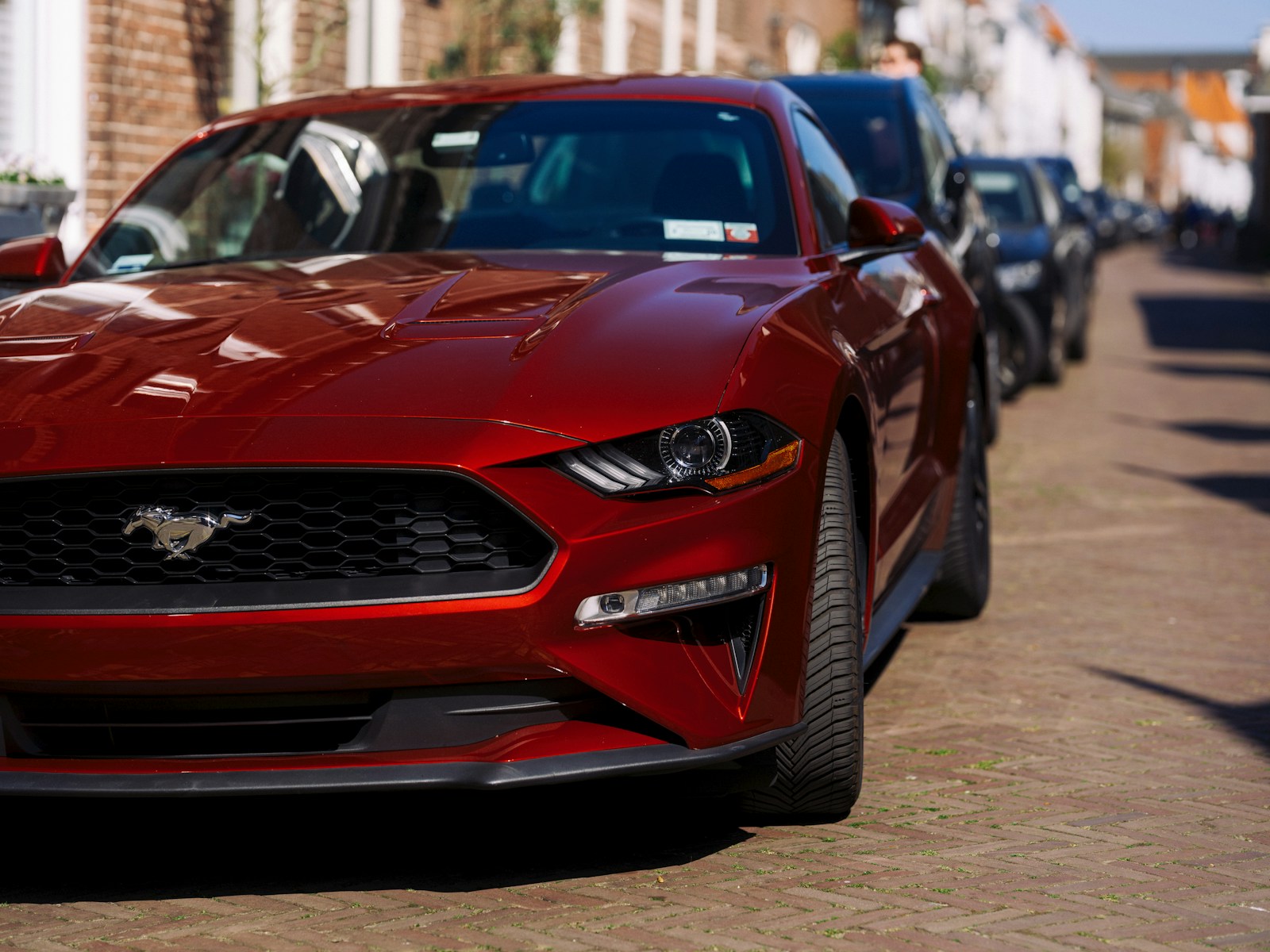

Ford headed into the new year with a mixed report card. Overall U.S. sales slipped in January, yet the company’s most famous nameplate, the Mustang, moved in the opposite direction and grabbed fresh attention in showrooms. The contrast between a softer market and a livelier pony car says a lot about where Ford’s lineup is resonating and where it is starting to feel its age.
The headline numbers tell only part of the story. Behind them sits a reshuffled product plan, a changing appetite for electric vehicles, and a customer base that still lights up for performance even as some bread‑and‑butter models lose steam. That tension is shaping how Ford allocates its chips, its marketing dollars, and ultimately its future bets.
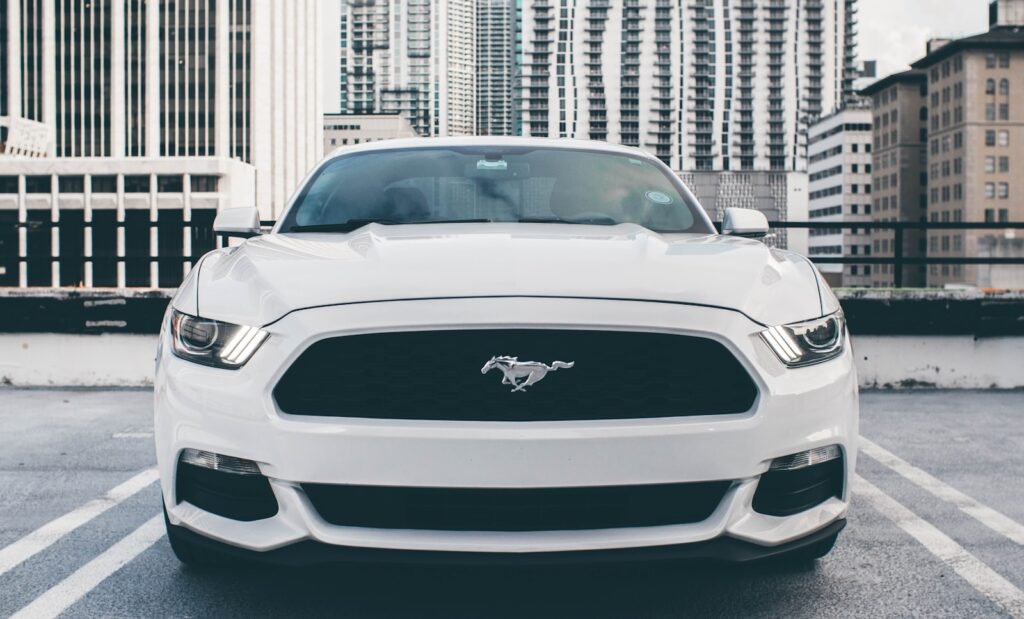
Sales Slip While Ford Reshuffles Its Lineup
Ford has acknowledged that its January sales in the United States declined, describing the drop as 5.3% and tying that weakness directly to decisions it made about the lineup. The company is discontinuing two popular SUVs, a move that immediately trims volume even if it may help profitability over time. That kind of strategic pruning is never painless, especially when it hits segments that once pulled in steady family traffic.
One of the vehicles caught in this transition is the long‑running Ford Escape, a compact crossover that has been a staple in suburban driveways for years. Its luxury cousin, the Lincoln Corsair, sits in a similar size class and faces the same pressure from newer rivals and shifting tastes. As Ford leans harder into higher‑margin trucks and performance models, these outgoing SUVs illustrate how the company is willing to sacrifice some near‑term volume to chase a more focused identity.
Mustang Stands Out In A Tougher Market
Against that backdrop, the Mustang is doing something Ford’s average sales line is not: drawing fresh interest. Reporting on January performance describes how the car provided a noticeable “nudge” for the brand, even as overall volume sagged, and how that enthusiasm was not enough to counter a sharp pullback in trucks. One account likened the broader slide to “Ford sales in January slid like a Mustang on ice,” underscoring that the pony car’s relative strength could not fully offset weakness elsewhere in the showroom.
Trucks remain the backbone of the business, which is why any stumble there gets magnified. Analysts have flagged F-Series performance as a concern, describing “F-Series Alarm Bells Sounding” and pointing to an 18.2-percent fall that weighed heavily on January totals. That kind of drop in Ford’s signature truck family is hard to shrug off, even with a halo car punching above its weight. The contrast highlights how dependent Ford still is on full‑size pickups, and how even a strong month for a sports coupe cannot fully counter a slump in the company’s biggest profit center.
EV Jitters, Truck Pressure, And A Prototype Future
Layered on top of the gasoline lineup is an electric strategy that is still finding its footing. The Mustang Mach-E has been a lightning rod among Blue Oval loyalists since it arrived for the 2021 model year, with some fans embracing the battery‑powered crossover and others insisting the Mustang badge belongs only on a coupe. Reporting on January notes that the Mach‑E remains a divisive topic among “Blue Oval fanboys,” and that shoppers who want a traditional pony car still gravitate to EcoBoost and GT trims. That tension between heritage and experimentation is baked into every Mach‑E sale.
Ford’s broader EV push faces similar crosswinds. The F-150 Lightning gives the company a high‑profile electric truck, but it also sits in a segment where buyers are still sorting out charging, towing range, and price anxiety. At the same time, Ford is juggling updates to core nameplates like the Explorer, midsize pickups such as the Ranger, and lifestyle models like the Bronco, all while keeping an eye on how much capital to pour into batteries versus internal combustion.
Inside that balancing act, Ford is still using halo projects to signal where it wants to go. Coverage of January performance notes that “Ford Sales Fell 6 in January” and that “Mustang Bucked the Trend,” language that captures how the sports car is being positioned as a bright spot in a choppy market. The company has even highlighted a Prototype version of a high‑performance Mustang, described as a “Prototype vehicle shown. Actual production vehicle may” differ, to keep enthusiasts engaged. That kind of teaser, paired with ongoing debate over the Mustang Mach-E, shows how Ford is trying to stretch the Mustang name across gasoline and electric futures without losing the swagger that made it famous in the first place.
Enthusiast coverage has zeroed in on that split personality. One detailed look at January performance notes that “Since its debut for the 2021 model year, the Ford Mustang Mach has proven to be a very divisive topic among Blue Oval fanboys,” and that “Even so, the pony car’s” appeal still pulls buyers toward an EcoBoost or GT trim. That assessment, anchored in Ford Mustang Mach coverage, underlines how much emotional weight the Mustang carries for the brand. As Ford works through a 5.3% January slide and the sting of an 18.2-percent F-Series drop, that emotional connection may be one of its most valuable assets, even if it cannot single‑handedly fix the sales chart.
More from Wilder Media Group: