
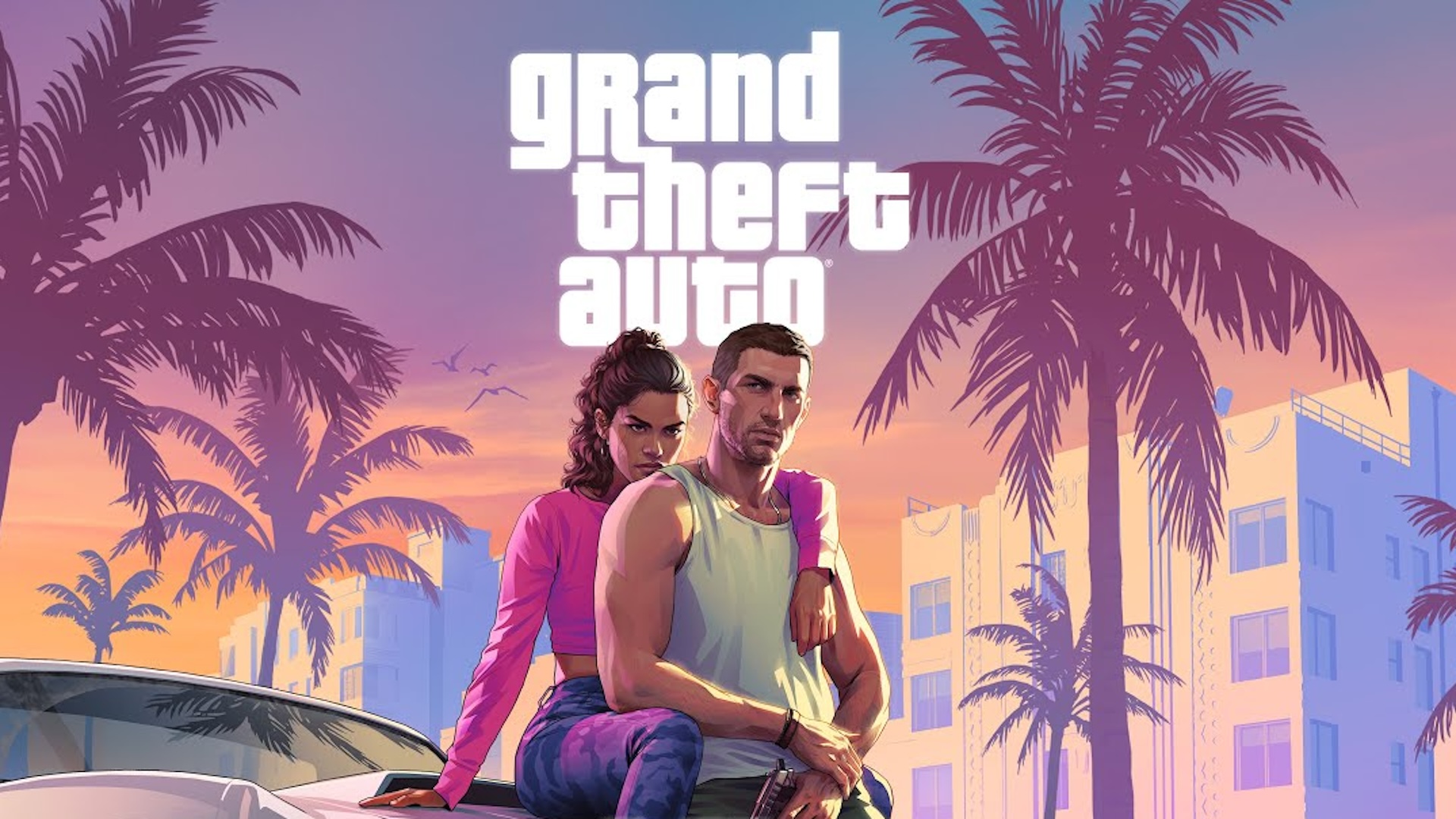

Grand Theft Auto fans are staring down one of the longest waits in blockbuster gaming, and frustration is boiling over as each new delay pushes the next crime epic further into the future. Yet for the people who have actually shipped Grand Theft Auto games, long gaps between releases are not just a scheduling headache, they are often the only way to protect quality, ambition, and even the studio’s reputation. A former GTA Technical Director is now arguing that, handled correctly, these drawn out timelines can ultimately benefit both players and developers, even as they test the limits of fan patience.
From Inside Rockstar: Why Technical Directors Welcome Extra Time
Veteran engineers who have worked on Grand Theft Auto know that the most painful delays usually come from hard technical realities rather than marketing whims. A former Technical Director who helped build multiple GTA projects has described how sprawling open worlds, dense AI systems, and complex physics pipelines rarely come together on the first try, and how extra months can be the difference between a brittle, crash prone sandbox and a city that feels alive. From that vantage point, a delay is less a broken promise and more an admission that the underlying technology needs more time to mature before it can carry the weight of a new generation of GTA.
That perspective is echoed by Obbe Vermeij, identified as a former Technical Director at Rockstar who worked on several GTA games and recently discussed the schedule for the next entry on Twit. Vermeij suggested that the next Grand Theft Auto might not appear until 2027, a timeline that implicitly acknowledges how much engineering work is required to push the series forward. In his view, the long runway gives Rockstar room to refine its tools, stress test new systems, and avoid shipping a game that would immediately need emergency patches, a point that underlines why some former leaders inside Rockstar quietly welcome the breathing room that delays provide, even when the community reacts with anger.
How GTA 6’s Shifting Release Window Became a Flashpoint

The current storm around Grand Theft Auto 6 has been building for years as expectations collided with reality. Fans initially treated the first official trailer as a signal that launch was just around the corner, only to watch the window slide further away as Rockstar adjusted its plans. Each shift has turned the game into a lightning rod for broader anxieties about how long big budget titles now take to make, and whether studios are being transparent about the reasons.
Those tensions sharpened when a former Rockstar employee spoke publicly about the latest change, noting that “we all know” GTA 6 was delayed until 19 November 2026 and describing how that new date landed with people who had worked on the series. In a detailed video, the ex developer walked through why the team needed more time and how the revised schedule was communicated, turning the delay into a case study in how internal production pressures and external fan expectations can collide around a single date on the calendar. The clip, shared on YouTube, helped crystallize the sense that GTA 6’s timeline had become a public flashpoint rather than a routine scheduling adjustment.
Rockstar’s Official Line: Polish Over Punctuality
While former staffers have offered their own theories, Rockstar’s public explanation for the latest delay has been blunt. The company has said that Grand Theft Auto 6 was pushed back to 19 November 2026 so the team could finish the game with the level of polish players have come to expect from the series. That framing positions the delay as a quality control decision, not a sign of crisis, and it leans on Rockstar’s track record of turning long development cycles into meticulously crafted open worlds.
For many fans, that message was delivered through coverage that highlighted how Grand Theft Auto 6’s new date was justified as a way to meet those high standards. Reports on the revised schedule stressed that Rockstar framed the move as necessary to “finish the game with the level of polish you have come to expect,” language that appeared in discussions of the Grand Theft Auto delay. For a former Technical Director, that kind of statement is not just PR, it is a public acknowledgment that the studio is prioritizing stability, performance, and detail over hitting an earlier launch window, even if that choice risks short term backlash.
Ex‑Devs Split: When Delays Help and When They Hurt
Not every former Rockstar developer is convinced that more time is always a net positive. Some argue that there is a tipping point where delays stop improving the game and start eroding the audience’s emotional investment. Mike York, a former Rockstar animator, has warned that one more delay for GTA 6 could permanently damage excitement around the project, suggesting that the studio is already close to exhausting the goodwill built up by the first trailer and years of anticipation. His concern is not that extra months will make the game worse, but that players may simply move on.
York has repeated that warning in multiple forums, including a detailed breakdown of why he believes another slip could “kill the hype” around GTA 6. In one analysis, he explained that if the game is delayed again, the studio might struggle to reignite the same level of fervor, a point that has been highlighted in coverage of his comments on GTA. A separate post on social media amplified the same idea, noting that a former Rockstar Games developer believes that one more delay could seriously damage excitement around GTA 6, a claim that was shared in an Instagram update referencing Mike Yor. Together, those comments show a clear split: some ex leaders see delays as a technical necessity, while others fear the marketing cost of pushing the date yet again.
Why Technical Complexity Makes GTA Different
From a Technical Director’s standpoint, Grand Theft Auto is not just another open world series, it is a platform that has to support dense traffic systems, layered AI behavior, physics driven chaos, and online features that can survive years of updates. Each of those components multiplies the risk of bugs and performance problems, especially when the game is expected to run on multiple console generations and PC hardware. That complexity means that late stage integration often reveals issues that cannot be fixed with a quick patch, forcing the studio to choose between shipping with known problems or delaying to address them properly.
Former Rockstar leaders have pointed out that this is why the studio’s timelines can look extreme from the outside. When Obbe Vermeij floated the possibility that the next GTA might not arrive until 2027, he was implicitly acknowledging the scale of the technical challenge. His background as a Technical Director on earlier GTA titles gives weight to the idea that the engine, tools, and content pipelines need a longer runway than fans might expect, a point that was captured in coverage of his comments on Obbe Vermeij and his suggestion that the game might appear only in 2027. For a Technical Director, that kind of delay is not indulgent, it is often the only way to ensure that the underlying systems can handle the chaos players will throw at them.
Polish as a Design Philosophy, Not Just a Buzzword
When Rockstar talks about “polish,” former Technical Directors hear a specific checklist rather than a vague marketing term. It means frame rates that hold up in the busiest intersections, mission scripts that do not break when players improvise, and physics that behave consistently whether a car is crawling through traffic or flying off a bridge. Achieving that level of reliability in a city as dense as a modern GTA map requires repeated passes of optimization, bug fixing, and playtesting that simply cannot be compressed into a few weeks.
Reports on GTA 6’s current schedule underline how central that philosophy has become to Rockstar’s public messaging. Coverage of the game’s release window has noted that the studio is targeting November 2026 and that this date looks firm despite rumors, with one analysis arguing that the chosen window is sensible for now given the need for additional refinement. That same reporting cited former Rockstar animator Mike York, who has said that the studio’s decision to aim for late 2026 reflects a desire to avoid shipping an unfinished product, a point captured in a breakdown of the Release date and why November 2026 is sensible for now. For a former Technical Director, that alignment between internal priorities and external messaging is a sign that the studio is treating polish as a core design value rather than a last minute patching exercise.
The Risk Curve: When Fans Start To Tune Out
Even the most technically minded former developers acknowledge that there is a point where more time in the oven can backfire. Hype is not an infinite resource, and each delay forces players to recalibrate their expectations, rewatch the same trailers, and decide whether to stay emotionally invested. Mike York has been explicit about this risk, arguing that if GTA 6 slips again beyond its current window, a significant portion of the audience may simply decide they are “over it,” leaving Rockstar with a masterpiece that fewer people care to experience at launch.
That warning has been amplified in coverage that digs into why Rockstar has been delaying the game and what might happen if the schedule moves again. One analysis framed York’s comments as a clear caution: if the game is delayed again, many players could decide they are done waiting, a sentiment captured in a breakdown of Why Ex Rockstar developer thinks Rockstar has been delaying the game. For a former Technical Director, that creates a clear risk curve: early delays can dramatically improve quality, but repeated slips beyond a publicly committed date can erode trust, making it harder for even a technically brilliant game to recapture the cultural moment it once commanded.
Why Some Long Delays Still Pay Off
Despite those risks, many former GTA leaders argue that the series’ history shows how extended development can ultimately pay dividends. Grand Theft Auto V arrived after a long gap and went on to dominate sales charts for years, in part because its technical foundation was strong enough to support Grand Theft Auto Online, multiple console generations, and a steady stream of updates. From a Technical Director’s vantage point, that kind of longevity is only possible when a studio resists the temptation to rush and instead invests in robust systems that can evolve over time.
That logic helps explain why Rockstar appears willing to absorb short term criticism in exchange for a more stable launch. By pushing Grand Theft Auto 6 to 19 November 2026 and framing the move as a quest for polish, the studio is effectively betting that players will forgive the wait if the final product delivers a richer, more reliable experience than its peers. Former developers like Obbe Vermeij and Mike York may disagree on where the line should be drawn, but their comments converge on a core idea: in a series as technically demanding as GTA, long delays are often the price of ambition, and when managed carefully, they can turn a risky project into a landmark release.
What GTA 6’s Timeline Signals For Big‑Budget Games
The drawn out path to GTA 6 is not just a story about one franchise, it is a signal of where blockbuster game development is heading. As open worlds grow more complex and player expectations rise, studios are being forced to choose between longer cycles, smaller scopes, or more aggressive post launch patching. Former Technical Directors who have worked on Grand Theft Auto tend to see extended timelines as the least damaging of those options, especially when the alternative is shipping a broken game that undermines trust in the brand.
Rockstar’s current plan, with Grand Theft Auto 6 set for 19 November 2026 and former insiders like Obbe Vermeij suggesting that even later dates are plausible, shows how far major studios are willing to stretch their schedules to protect quality. At the same time, warnings from ex staff such as Mike York about the danger of another delay highlight the delicate balance between technical necessity and audience patience. For players, the message is clear: long waits may be frustrating, but in the world of GTA, they are often the tradeoff that makes a truly next generation crime saga possible.
More from Wilder Media Group: