
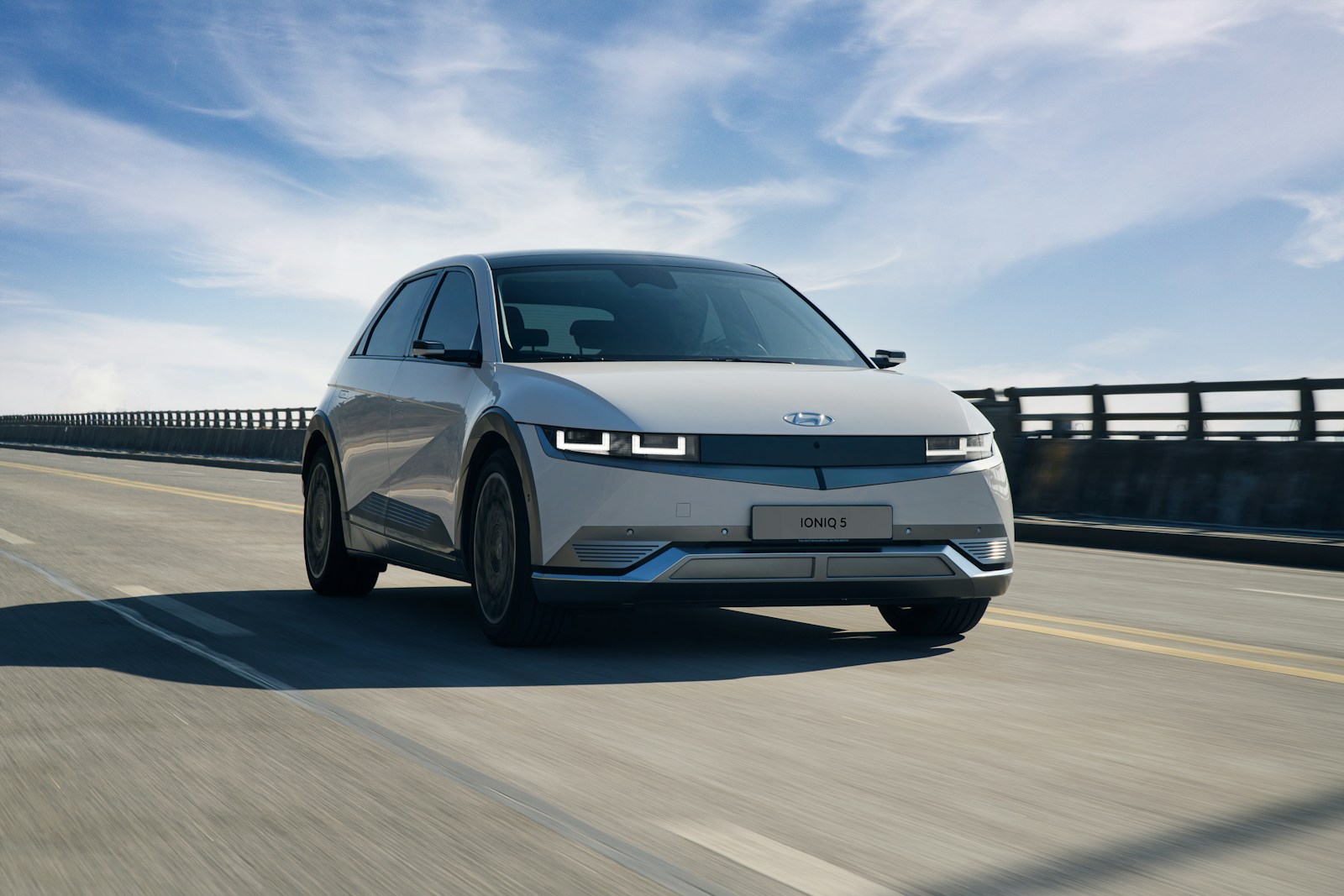

Not long ago, the phrase “performance electric SUV” would have drawn blank stares at a car meet. That era is over. A handful of battery-powered crossovers now deliver the kind of acceleration, grip, and driver involvement that once required a V8 and a set of sticky tires. Here are four electric SUVs that prove the segment has moved well beyond the “quiet and efficient” stereotype, along with a look at where the broader market is heading as of early 2026.
What Makes These Electric SUVs Different
Most electric crossovers are engineered for comfort and efficiency first. The four models below flip that priority list. Each one uses dual-motor all-wheel drive, performance-tuned suspension, and software calibrated for speed rather than maximum range. Their shared advantage over gas-powered rivals is structural: heavy battery packs mounted low in the floor create a center of gravity closer to that of a sports sedan, and electric motors deliver peak torque from a standstill.
The current electric vehicle market includes dozens of SUVs and crossovers, but only a small subset targets enthusiast drivers. These four stand out because each one has been independently tested by major outlets and posted verified performance numbers that compete with dedicated sports cars.
Hyundai Ioniq 5 N: The Track-Day Crossover
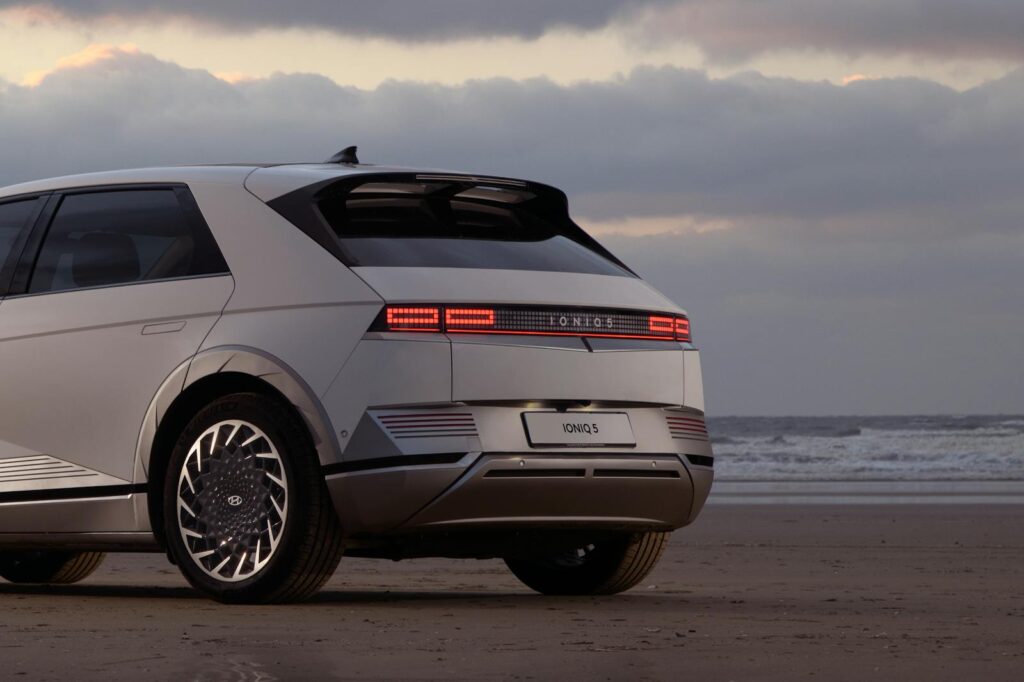
The Ioniq 5 N is the most aggressive statement Hyundai’s N performance division has made yet. Built on the same E-GMP platform as the standard Ioniq 5, the N version adds a second motor, beefier brakes, electronically controlled limited-slip differentials at both axles, and a stiffer chassis with adaptive dampers.
The numbers tell the story quickly. Hyundai rates the Ioniq 5 N at 601 horsepower in standard mode and 641 hp with N Grin Boost engaged, paired with 568 lb-ft of torque. The manufacturer-estimated 0-to-60-mph time is 3.4 seconds, a figure that Car and Driver confirmed at 3.3 seconds in independent testing. That puts it within striking distance of the Porsche Taycan Turbo GT.
What separates the Ioniq 5 N from other fast EVs is Hyundai’s obsession with driver feel. The N e-Shift system simulates gear changes through deliberate torque interruptions, and N Active Sound pumps a synthetic engine note through the speakers that rises and falls with throttle input. These features sound gimmicky on paper, but reviewers have consistently praised them for adding a sense of mechanical connection that most EVs lack. A dedicated drift mode and a lap timer built into the instrument cluster reinforce the track-day intent.
Pricing for the 2025 Ioniq 5 N starts at approximately $67,500 before any applicable incentives. EPA-estimated range sits at 221 miles, a real trade-off compared with the standard Ioniq 5’s 300-plus-mile rating. Buyers choosing this model are prioritizing driving excitement over long-distance touring, and Hyundai is not pretending otherwise.
Ford Mustang Mach-E GT: The Pony Car Argument
Ford caught flak from Mustang purists when it stuck the pony badge on a crossover, but the Mach-E GT has largely silenced that criticism with its driving manners. The GT trim pairs dual motors producing 480 horsepower and 634 lb-ft of torque with a performance-tuned MagneRide adaptive suspension borrowed from the Mustang coupe’s parts bin. Ford estimates 0-to-60 in 3.5 seconds, and Edmunds recorded 3.5 seconds in its own testing.
Where the Mach-E GT distinguishes itself is in everyday livability. The cabin seats five with 29.7 cubic feet of cargo space behind the rear seats, plus a 4.7-cubic-foot front trunk. EPA-estimated range for the 2025 GT is 250 miles, a meaningful improvement over the Ioniq 5 N. The starting MSRP of roughly $54,000 also makes it the most affordable entry on this list by a wide margin.
The trade-off is weight. At over 4,800 pounds, the Mach-E GT can feel heavy in tight corners compared with the Ioniq 5 N’s more agile platform. Ford compensates with strong brakes and well-calibrated steering, but drivers who plan to do actual track days may find the Hyundai more rewarding at the limit. For spirited street driving and highway pulls, though, the Mach-E GT delivers genuine thrills with fewer compromises on practicality and range.
Chevrolet Blazer EV SS: Muscle Heritage, Modern Problems
On paper, the Blazer EV SS is exactly what Chevrolet’s performance fans have been asking for: a 557-horsepower, all-wheel-drive electric SUV with the SS badge and a 0-to-60 time that GM estimates at around 4.0 seconds. It rides on the Ultium platform, features a Wide Open Watts launch mode, and wears aggressive bodywork that sets it apart from the tamer Blazer EV trims.
In practice, the Blazer EV’s path to market has been rocky. GM temporarily paused production in late 2023 to address software issues, and early-build quality complaints led to slower-than-expected sales through 2024. By early 2025, GM had resolved most of the documented problems and resumed full production, but the rough launch left a reputational dent that Chevrolet is still working to repair.
For shoppers considering the Blazer EV SS in 2026, the relevant question is whether the current production run has addressed those early issues. Edmunds’ Blazer EV overview provides updated owner feedback and expert ratings that are worth checking before signing. The SS trim starts at approximately $62,000, and EPA-estimated range is 279 miles, competitive with the Mach-E GT. If GM has truly sorted the software and build quality, the Blazer EV SS offers a compelling mix of power, range, and American muscle identity. But buyers should do their homework on current-production reliability before committing.
Kia EV6 GT: The Understated Weapon
The Kia EV6 GT shares its underpinnings with the Ioniq 5 N (both use Hyundai Motor Group’s E-GMP architecture), but the two cars have distinctly different personalities. Where the Ioniq 5 N leans into theatrics, the EV6 GT plays it cooler. Kia rates it at 576 horsepower and 545 lb-ft of torque, with a manufacturer-claimed 0-to-60 time of 3.4 seconds. Independent tests have generally confirmed that figure.
The EV6 GT’s party trick is its 800-volt electrical architecture, which it shares with the Ioniq 5 platform. On a compatible 350-kW DC fast charger, the battery can go from 10% to 80% in roughly 18 minutes, according to Kia. That charging speed makes the EV6 GT more practical for road trips than its acceleration numbers might suggest. EPA-estimated range is 206 miles, the lowest on this list, but the fast-charging capability partially offsets that limitation.
Pricing starts at about $61,600 for the 2025 model year. Inside, the EV6 GT gets bolstered sport seats, a flat-bottom steering wheel, and Kia’s dual curved-screen dashboard. The ride is firm but not punishing, and the steering is quick without feeling nervous. It lacks the Ioniq 5 N’s simulated gearshifts and sound effects, which will be a plus or a minus depending on your tolerance for digital theater. For drivers who want the speed without the drama, the EV6 GT is the pick of this group.
The Bigger Picture: Acura ZDX and the Next Wave
These four models represent the sharpest end of the performance EV SUV market, but they are not the whole story. The full list of electric SUVs currently on sale includes a growing number of premium entries that blend strong acceleration with luxury refinement rather than outright track capability.
The Acura ZDX, which launched for the 2024 model year and carries into 2025 on GM’s Ultium platform, is a good example. The Type S variant produces 500 horsepower and targets a 0-to-60 time around 4.5 seconds. It is not trying to be a track car. Instead, Acura has focused on ride quality, interior materials, and a quiet cabin, positioning the ZDX as a performance-luxury crossover rather than a hot rod. Starting around $65,000 for the Type S, it competes more directly with the BMW iX xDrive50 and the Genesis GV60 Performance than with the Ioniq 5 N.
Further out, models like the anticipated Porsche Macan Electric and the next-generation Tesla Model Y are expected to push the segment in new directions. For now, though, the four SUVs profiled above offer the clearest proof that electric crossovers can deliver real driving excitement, not just as a novelty, but as a core part of the ownership experience.
More from Wilder Media Group: