
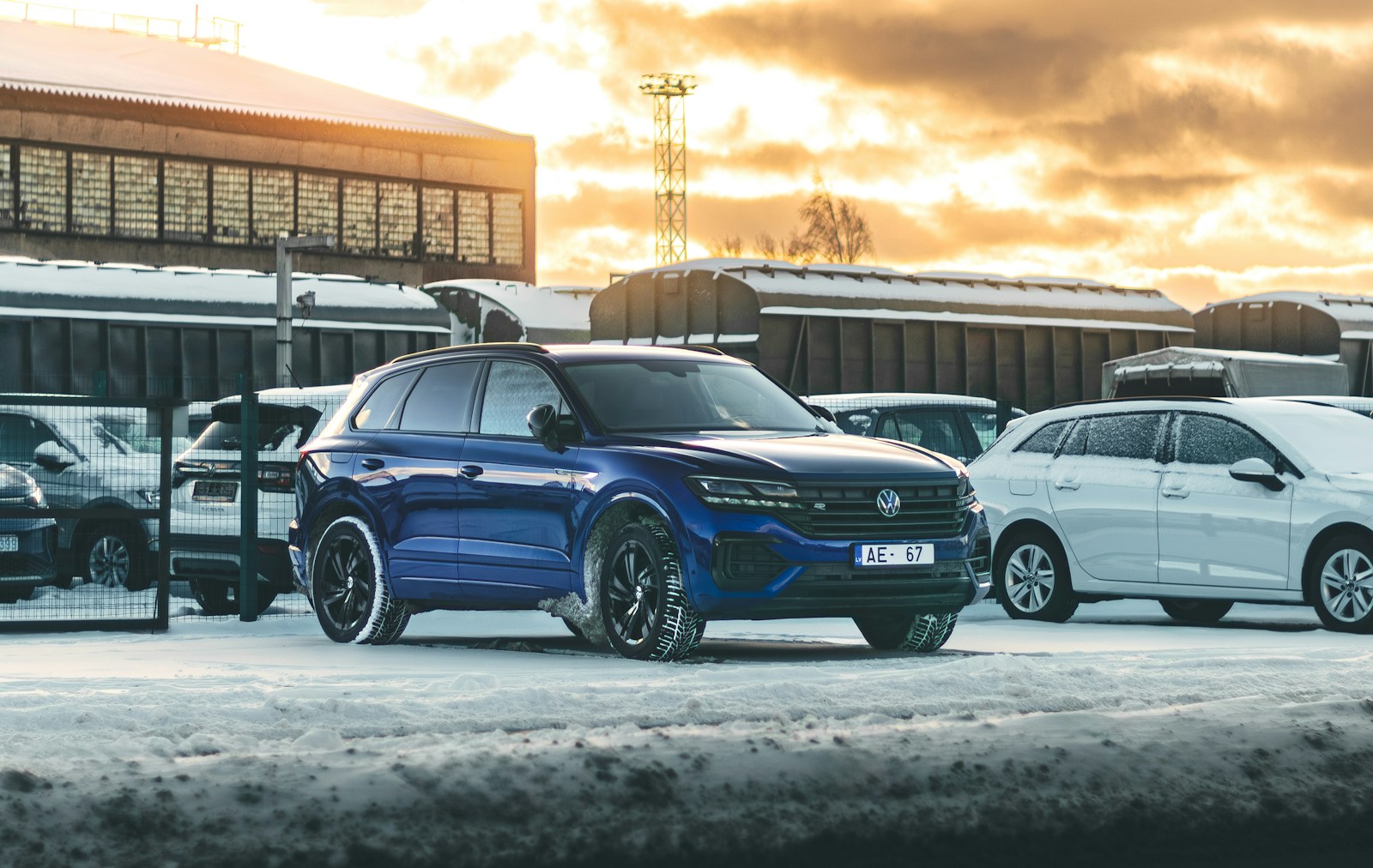

After years of compact crossovers dominating American driveways, something unexpected is happening at dealerships across the country. Full-size SUVs are experiencing a significant sales surge, with models like the Ford Expedition seeing sales nearly double in early 2023 and the segment overall growing by more than 27% compared to the previous year. Buyers who once downsized are now supersizing again, and they’re not apologizing for it.
The shift caught many industry watchers off guard. Full-size SUVs are flying off dealership lots even as economic uncertainty lingers and fuel prices remain elevated. What changed? The answer involves more than just consumer preference—it reflects how automakers prioritized these high-profit vehicles when production constraints hit during the pandemic, making them more available and competitive than ever.
From the Chevy Tahoe leading sales charts to the redesigned Toyota Sequoia posting eye-popping growth numbers, full-size SUVs are gaining share in ways that suggest this trend has staying power. Buyers are voting with their wallets, and the message is clear: bigger is back.
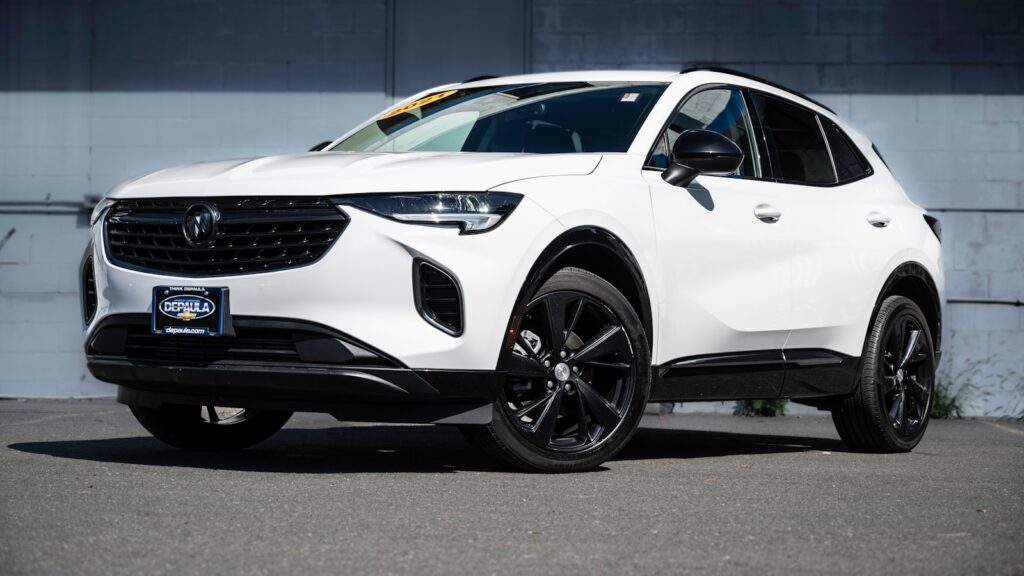
Why Full-Size SUVs Are Making a Comeback
Full-size SUVs are experiencing a notable resurgence in the American market, driven by recovering inventories, changing family needs, and automaker strategies that prioritized high-profit vehicles during supply shortages. The segment has expanded its market presence while offering capabilities that smaller alternatives can’t match.
Surge in Popularity and Sales
Full-size SUVs have jumped to 3.5% market share through mid-2023, up from just 1.9% a decade earlier and 2.6% in 2019. Mainstream full-size SUV share climbed from 1.2% to 2.3%, while luxury models increased from 0.7% to 1.2%.
The Ford Expedition posted a 43.8% year-over-year gain with 24,347 units registered. The Chevrolet Suburban jumped 31.4% to 17,293 units, and the segment-leading Chevrolet Tahoe added 4.5% to reach 34,511 retail registrations.
General Motors has particularly benefited from its broad lineup spanning the Tahoe, Suburban, and multiple Yukon variants. The range gives GM competitive positioning across price points that rivals struggle to match.
Key Factors Driving Demand
When pandemic-related shortages hit, automakers concentrated on their most profitable segments. For Detroit manufacturers, that meant large SUVs, which saw substantial share gains that have continued as production normalized.
Young families and expanded car seat regulations have made three-row capacity increasingly important. Four years after initial lockdowns, consumers are traveling by road more frequently and need the space full-size models provide.
Improved fuel economy has addressed previous concerns about efficiency. SUV engines are getting smaller, with V8 and V6 powerplants replaced by turbocharged motors that deliver better mileage while maintaining capability.
How Full-Size SUVs Compare to Three-Row Alternatives
Mid-size SUVs hold over 45% market share by combining features of full-size models with sedan-like maneuverability. However, full-size SUVs offer advantages that three-row alternatives can’t replicate.
Full-size models provide genuine third-row space where adults can sit comfortably on longer trips. They deliver higher towing capacities, typically ranging from 7,000 to 9,000 pounds compared to 5,000 pounds or less for mid-size three-row SUVs. Cargo volume behind the third row is substantially larger in full-size vehicles.
The price gap has narrowed as well-equipped mid-size three-row SUVs now approach $50,000 to $60,000. Buyers find that stepping up to a full-size SUV delivers considerably more capability for a relatively modest increase in cost.
Full-Size SUV Standouts: Models Buyers Love Right Now
A handful of models have emerged as clear favorites among buyers returning to the full-size SUV segment. The Chevrolet Tahoe, Suburban, and Toyota Sequoia are leading the charge with strong sales and enthusiastic owner reviews.
Chevrolet Tahoe: Consistent Segment Leader
The 2026 Chevrolet Tahoe continues to dominate the full-size SUV market with a winning combination of capability and refinement. Car and Driver awarded it a perfect 10/10 rating, noting that it’s as refined on the road as it is capable off-road.
Buyers are particularly drawn to the Tahoe’s versatility. It seats up to eight passengers comfortably while offering generous cargo space that rivals many competitors. The SUV’s independent rear suspension delivers a ride quality that buyers say feels more like a luxury sedan than a truck-based hauler.
The model’s variety of use cases has made it especially attractive to families who need a vehicle that can handle school runs during the week and tow a boat on weekends. Dealerships report strong interest across all trim levels, from the base LS to the premium High Country.
Chevrolet Suburban and Its Expansive Appeal
The Chevrolet Suburban has carved out its own devoted following by offering even more space than its Tahoe sibling. The 2026 Suburban earned the same perfect 10/10 rating for its ability to haul up to nine people and their cargo while maintaining impressive towing capacity.
Buyers choosing the Suburban over the Tahoe typically cite the extra cargo room as the deciding factor. The extended wheelbase provides additional third-row legroom and significantly more space behind the third row for luggage, sports equipment, or camping gear.
The model has found particular success with larger families and those who regularly travel long distances. Its fuel efficiency, while not exceptional, has improved enough that buyers say the extra interior volume justifies the slightly higher fuel costs compared to midsize alternatives.
Toyota Sequoia’s Impressive Comeback
The Toyota Sequoia has reentered the conversation among full-size SUVs after a complete redesign. The model now features a standard hybrid powertrain that addresses one of the segment’s biggest complaints: fuel consumption.
Buyers report that the hybrid system delivers noticeably better fuel economy than traditional V8-powered competitors while maintaining the towing capacity they need. The twin-turbo V6 hybrid produces ample power for highway merging and passing, though it can’t quite match the utility of other full-size SUVs in terms of third-row space.
Toyota’s reputation for reliability has played a significant role in attracting buyers back to the Sequoia. Many shoppers say they’re willing to accept slightly less interior room in exchange for Toyota’s track record of long-term dependability.
What Sets These Large SUVs Apart
These three models share several characteristics that buyers say make them worth the investment:
- Towing capacity: All three can tow between 8,000 and 9,000 pounds when properly equipped
- Seating flexibility: Standard three-row configurations accommodate large families
- Technology: Modern infotainment systems with wireless smartphone integration
- Safety features: Advanced driver assistance systems come standard or available
The similarities end there, though. Each vehicle appeals to different buyer priorities. The Tahoe attracts those seeking the best balance of size and maneuverability. The Suburban draws buyers who need maximum space above all else. The Sequoia appeals to environmentally conscious buyers who still need full-size capability.
Dealers report that trade-in values for these models remain strong, which has helped convince hesitant buyers that the higher purchase price won’t result in excessive depreciation. The combination of capability, space, and improved refinement has made these large SUVs competitive again in a market that had largely written them off just a few years ago.
More from Steel Horse Rides: